
Sinusitis
Chronic sinus inflammation, blocked nose, facial pain — relief through medication and FESS.
⭐ Best ENT Hospital in Sangareddy — see full ENT page →
Overview
Sinusitis is a very common condition in India where the lining of the sinuses—the hollow air pockets in your skull—becomes swollen and inflamed. When these pockets are healthy, they are filled with air, but when they get blocked and filled with fluid, germs can grow and cause an infection. In India, seasonal changes, rising pollution levels in growing towns like Sangareddy, and high dust exposure often trigger these issues. It is more than just a simple cold; it can lead to persistent facial pain, a lack of smell, and deep exhaustion that interferes with your daily work and family life. Understanding the difference between a temporary viral infection and chronic sinusitis is crucial for your health. While most cases start with a common cold, if left untreated, the inflammation can persist for weeks or even months, requiring expert clinical intervention to restore normal breathing and comfort. At Sanjeevi Hospital, we focus on identifying the root cause of your blockage to provide lasting comfort.
Symptoms to watch for
- Thick, yellow or greenish discharge from the nose or down the back of the throat
- Pressure and pain around the eyes, cheeks, nose, or forehead that worsens when bending over
- Complete or partial blockage of the nose making it difficult to breathe through the nostrils
- A reduced sense of smell and taste, often making local food seem bland
- Persistent coughing that may become more frequent or severe during the night
- A dull, throbbing ache in the upper teeth or jaw area
- Ear pressure or a feeling of fullness in the ears
- Persistent fatigue and a general feeling of being unwell
- Bad breath (halitosis) even after practicing good oral hygiene
Causes & risk factors
- Common cold or viral infections that cause the nasal passages to swell
- Allergic rhinitis, which is very common due to local pollen, dust, and environmental allergens
- Nasal polyps, which are small, non-cancerous growths in the nasal lining that block airflow
- A deviated nasal septum, where the wall between the nostrils is crooked
- Frequent exposure to cigarette smoke or air pollutants in high-traffic areas
- Weakened immune systems which make it harder for the body to fight off sinus bacteria
- Dental infections that spread upward into the maxillary sinus cavities
- Fungal infections, which are sometimes seen in humid climates or in patients with diabetes
Diagnosis
- Physical examination by an ENT specialist to check for tenderness and nasal swelling
- Nasal Endoscopy, using a thin, flexible tube with a fiber-optic light to see inside the sinuses
- CT Scan of the paranasal sinuses to provide detailed images of deep-seated blockages
- Allergy testing to determine if environmental triggers are causing the recurring inflammation
- Nasal and sinus cultures to identify specific bacteria or fungi in case of chronic infections
- Diagnostic X-rays to check for structural abnormalities in the facial bone structure
Treatment options
Nasal Corticosteroid Sprays
These locally acting sprays help reduce inflammation in the nasal passages, allowing for better drainage and reduced swelling over time.
Saline Nasal Irrigation
Using a sterile salt-water solution to wash away thick mucus and allergens from the nasal cavities, which is a safe and effective home-based support therapy.
Antibiotic Therapy
If a bacterial infection is confirmed, our specialists prescribe a specific course of antibiotics to eliminate the germs causing the pain.
Decongestants
Available as tablets or short-term sprays, these help shrink swollen nasal membranes to provide quick, temporary relief from a stuffy nose.
Immunotherapy and Allergy Management
For patients whose sinusitis is triggered by allergies, we provide treatments to desensitize the body to specific allergens like dust or pollen.
Functional Endoscopic Sinus Surgery (FESS)
A minimally invasive procedure where the surgeon uses an endoscope to remove small amounts of bone or tissue to open up the natural drainage pathways.
Balloon Sinuplasty
A modern, less-invasive technique where a small balloon is inflated inside the sinus opening to gently widen it without removing bone.
Pain Management Support
Guidance on using safe, over-the-counter pain relievers and warm compresses to manage facial pressure during the recovery phase.
When to see a doctor
Please do not ignore persistent symptoms. You should consult our ENT specialists if you experience a high fever, sudden vision changes, or severe swelling around your eyes. If your symptoms last more than ten days without improvement, or if they seem to get better and then suddenly worsen, it is time for a professional evaluation. We are here to listen and help you find relief from the heavy pressure and pain that sinusitis brings, ensuring you can return to your normal life quickly.
Prevention & self-care
- Practice good hand hygiene to avoid catching common respiratory infections and viral colds
- Avoid known allergens and stay indoors on high-pollen or high-pollution days when possible
- Use a humidifier at home if the air is very dry, especially during the summer or winter months
- Stay well-hydrated by drinking plenty of water to keep your nasal mucus thin and draining easily
- Avoid smoking and stay away from second-hand smoke, which irritates the lining of your nose
- Treat all your allergies promptly with the help of a doctor to prevent them from turning into sinusitis
- Practice steam inhalation correctly using clean water to soothe the nasal passages
- Keep your home and workplace as dust-free as possible using wet mopping techniques
Related conditions
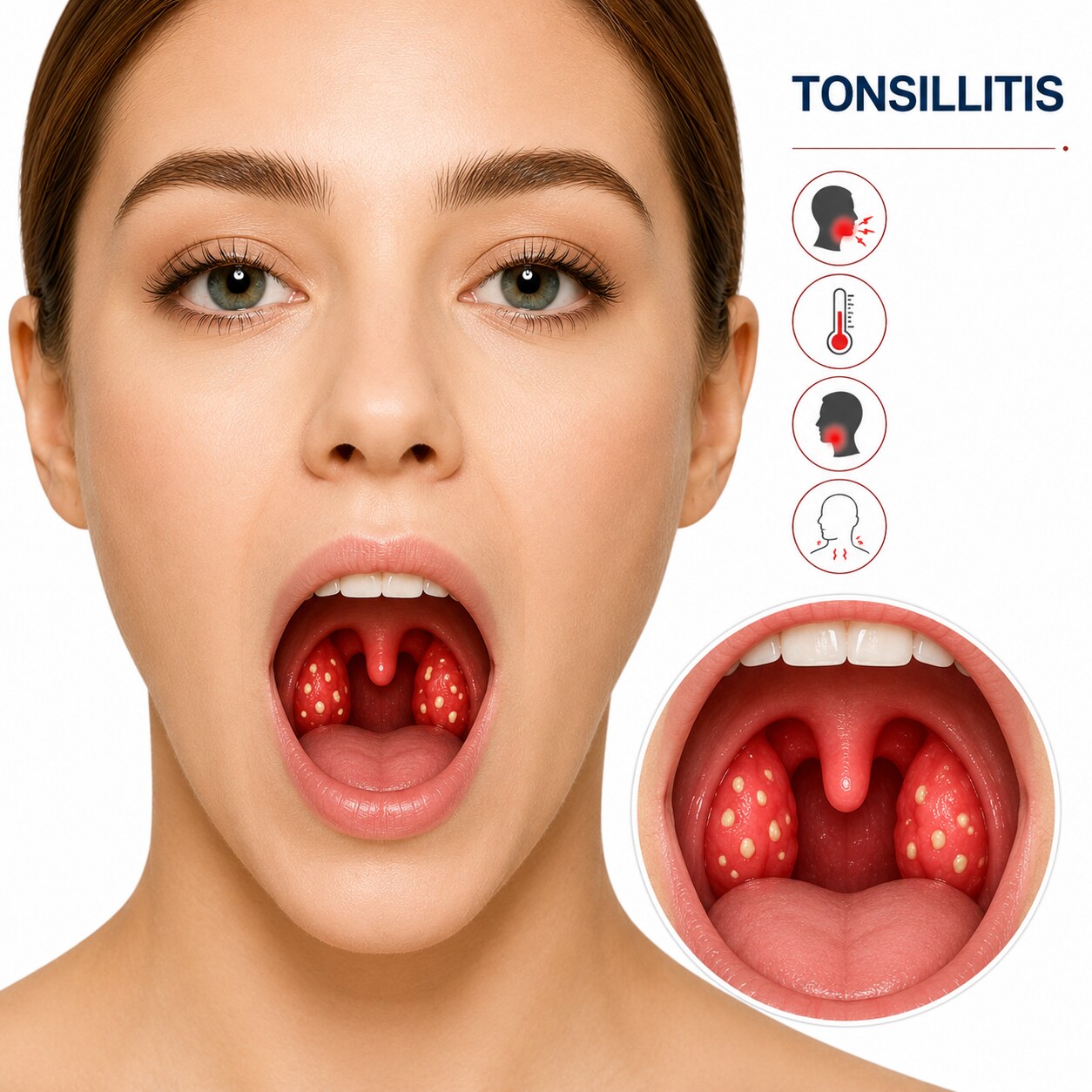
Tonsillitis
Recurring throat infections, painful swallowing — modern coblation tonsillectomy.
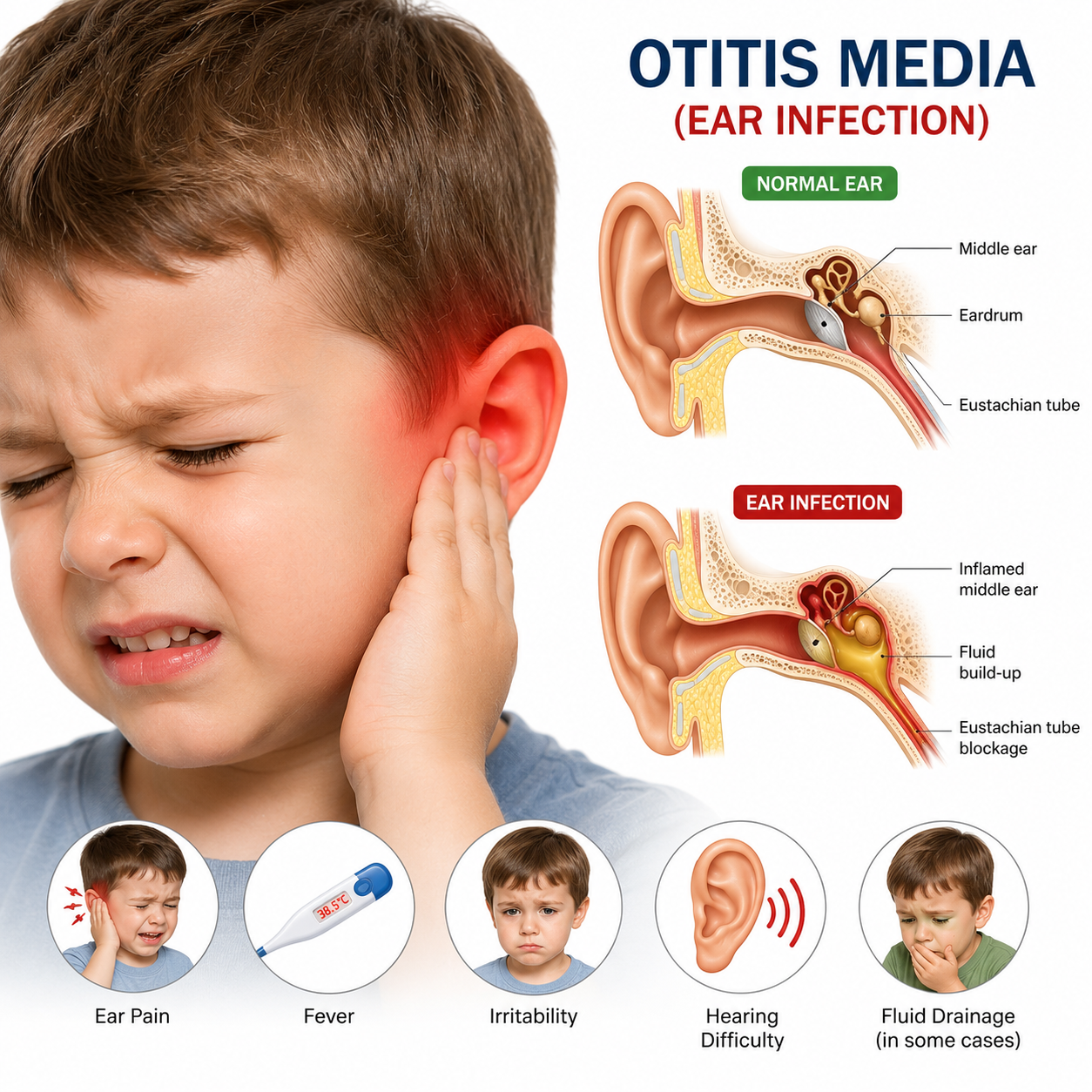
Otitis Media (Ear Infection)
Ear pain, discharge and hearing loss in children and adults.

Hearing Loss
Audiometry evaluation, hearing aid guidance and surgical options.

Vertigo & Dizziness
Spinning sensation and balance issues — diagnosis and BPPV treatment.

Answers about Sinusitis
Common questions about Sinusitis — diagnosis, treatment and recovery at Sanjeevi Hospital, Sangareddy.