
Thyroid Nodule & Surgery
Evaluation of thyroid lumps and modern thyroid surgery.
⭐ Best ENT Hospital in Sangareddy — see full ENT page →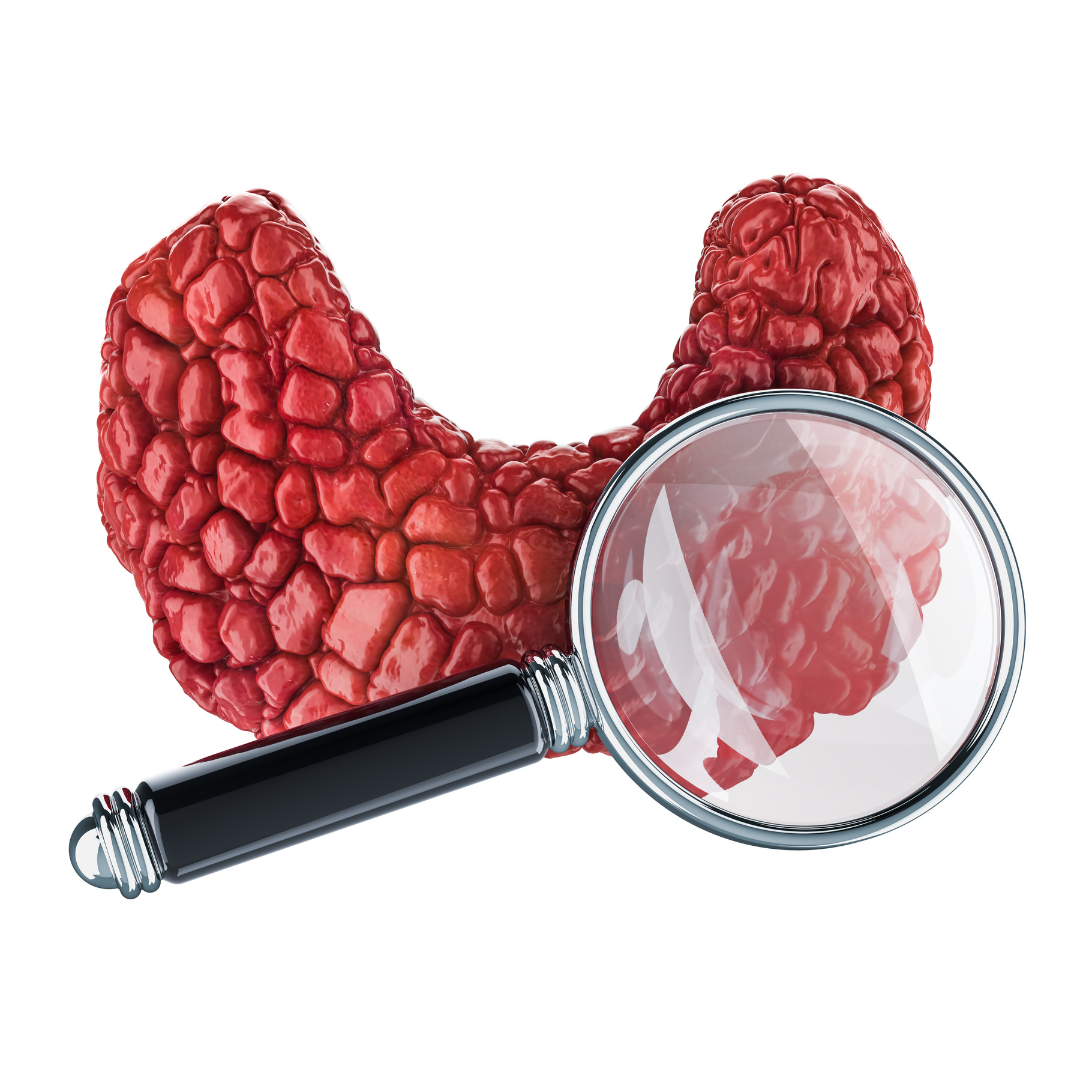
Overview
A thyroid nodule is a round or oval-shaped lump that develops within your thyroid gland, a small butterfly-shaped organ located at the base of your neck. In India, thyroid nodules are increasingly common due to various factors including environmental changes and improved screening methods. While finding a lump in your neck can feel worrying, it is important to know that nearly 90 to 95 percent of these nodules are benign, meaning they are not cancerous. However, they still require careful evaluation by specialists because even non-cancerous nodules can sometimes grow large enough to press against your windpipe or food pipe, making it difficult to breathe or swallow. At Sanjeevi Hospital in Sangareddy, we use modern diagnostic tools to determine if a nodule requires simple monitoring or surgical intervention. Understanding your thyroid health is the first step toward peace of mind and long-term wellness for you and your family.
Symptoms to watch for
- A noticeable lump in the front of the neck, often near the 'Adam's apple' area.
- A feeling of fullness or tightness in the throat that doesn't go away.
- Difficulty swallowing solid foods or a sensation of food getting stuck.
- Changes in your voice, such as unexplained hoarseness or weakness.
- Shortness of breath, especially when lying down flat or exercising.
- Pain in the neck that may sometimes radiate up toward the ears.
- Unexplained weight loss or rapid heartbeat if the nodule is overactive.
- Visible swelling that moves up and down when you swallow water.
- Anxiety or tremors if the nodule is producing excess thyroid hormone.
Causes & risk factors
- Iodine deficiency, which remains a factor in certain inland regions of India.
- Overgrowth of normal thyroid tissue, also known as a thyroid adenoma.
- Thyroid cysts, which are fluid-filled sacs that develop within the gland.
- Chronic inflammation of the thyroid gland, such as Hashimoto's disease.
- Multinodular goiter, where the entire gland develops several distinct lumps.
- Genetic factors or a family history of thyroid issues or endocrine disorders.
- Prior exposure to radiation in the neck or head area during childhood.
- Thyroid cancer, though this accounts for a small percentage of all nodules.
Diagnosis
- Physical Examination: A specialist gently feels your neck while you swallow to check the nodule's size and mobility.
- Thyroid Function Tests (TFT): Blood tests to measure TSH, T3, and T4 levels to see how the gland is working.
- Neck Ultrasound: A painless scan using sound waves to create a clear picture of the nodule's structure and size.
- Fine Needle Aspiration Cytology (FNAC): Using a very thin needle to take a small tissue sample for lab study.
- Thyroid Scan: A nuclear medicine test used to see if a nodule is 'hot' (producing hormone) or 'cold'.
- Calcitonin Blood Test: Sometimes used if there is a family history of specific types of thyroid issues.
- CT or MRI Scans: Advanced imaging used if the nodule is very large or extending into the chest area.
Treatment options
Active Surveillance
For small, non-cancerous nodules that aren't causing symptoms, your doctor may recommend regular check-ups and ultrasounds to monitor for any changes over time.
Thyroid Hormone Suppression Therapy
Involving the use of medication to lower TSH levels, which may help shrink some types of benign nodules or prevent them from growing larger.
Hemithyroidectomy
A surgical procedure where only the half of the thyroid containing the nodule is removed, often allowing the remaining half to function normally.
Total Thyroidectomy
The surgical removal of the entire thyroid gland, typically recommended for large goiters, suspicious nodules, or confirmed thyroid cancer.
Radioactive Iodine Therapy
A treatment where you swallow a liquid or capsule to shrink 'hot' nodules that are producing too much thyroid hormone.
Ethanol Ablation
A minimally invasive technique where alcohol is injected into a fluid-filled cyst to make it shrink and disappear without major surgery.
Endoscopic Thyroid Surgery
A modern, minimally invasive approach using small incisions and cameras, which can result in less scarring and a faster recovery for the patient.
Radiofrequency Ablation (RFA)
Using heat energy delivered through a needle to shrink benign nodules that are causing cosmetic concerns or pressure symptoms.
When to see a doctor
It is important to seek medical advice if you notice any new swelling or a firm lump in the front of your neck. Please do not worry, as most lumps are harmless, but early evaluation is key. Seek immediate care if you experience a sudden change in your voice, difficulty breathing, or if a lump grows rapidly over a few weeks. At Sanjeevi Hospital, we are here to listen to your concerns and provide a gentle, thorough examination to ensure your health and safety.
Prevention & self-care
- Ensure adequate intake of iodized salt as per Indian nutritional standards.
- Include selenium-rich foods like sunflower seeds, eggs, and mushrooms in your diet.
- Perform a simple 'neck check' in front of a mirror once a month to look for new swellings.
- Avoid unnecessary radiation exposure to the neck area whenever possible.
- Maintain a healthy weight, as obesity is sometimes linked to higher thyroid risks.
- Follow up regularly if you have a known history of autoimmune thyroid conditions.
- Eat a balanced diet including local fruits and vegetables to support overall endocrine health.
- Manage stress through yoga or meditation, which supports hormonal balance.
Related conditions
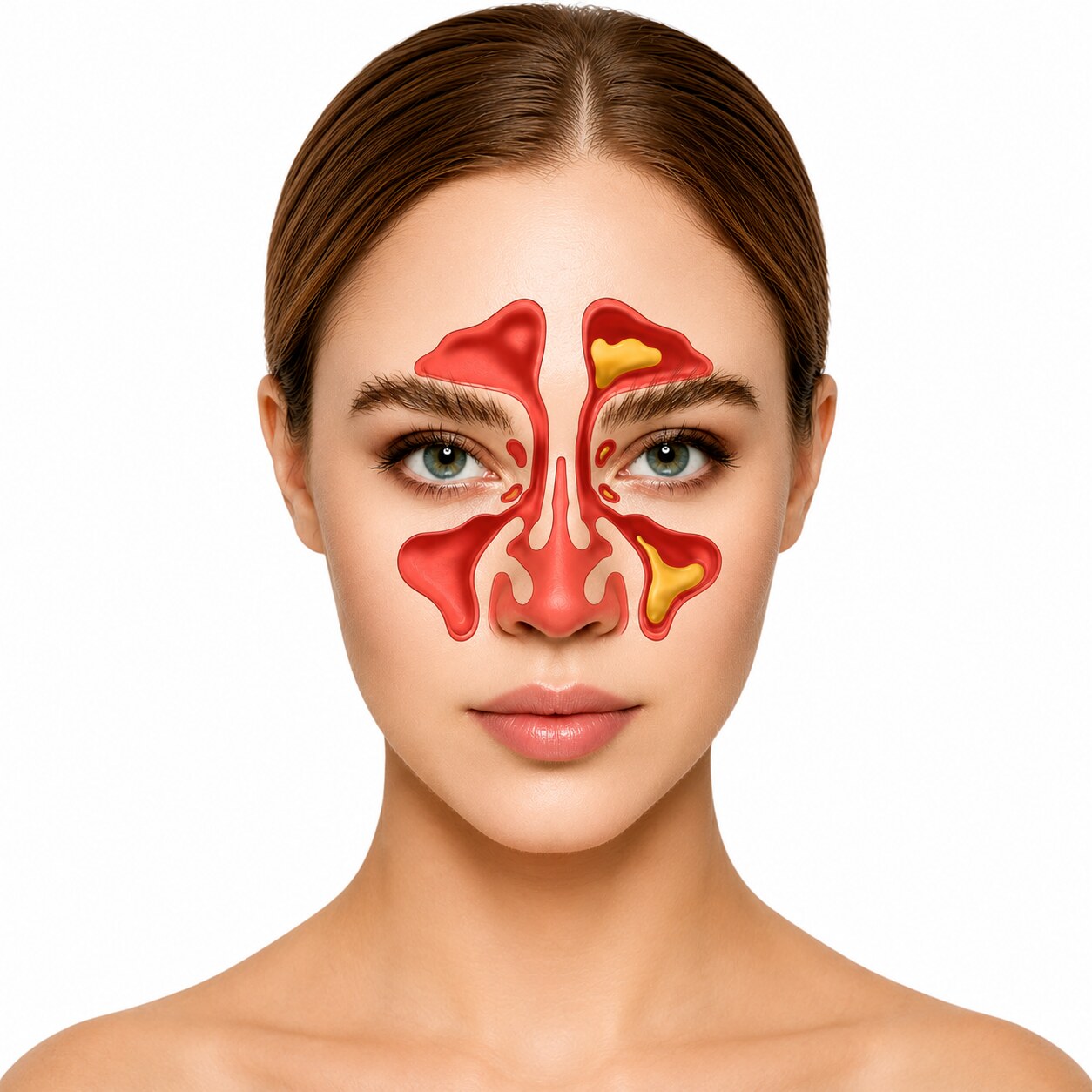
Sinusitis
Chronic sinus inflammation, blocked nose, facial pain — relief through medication and FESS.
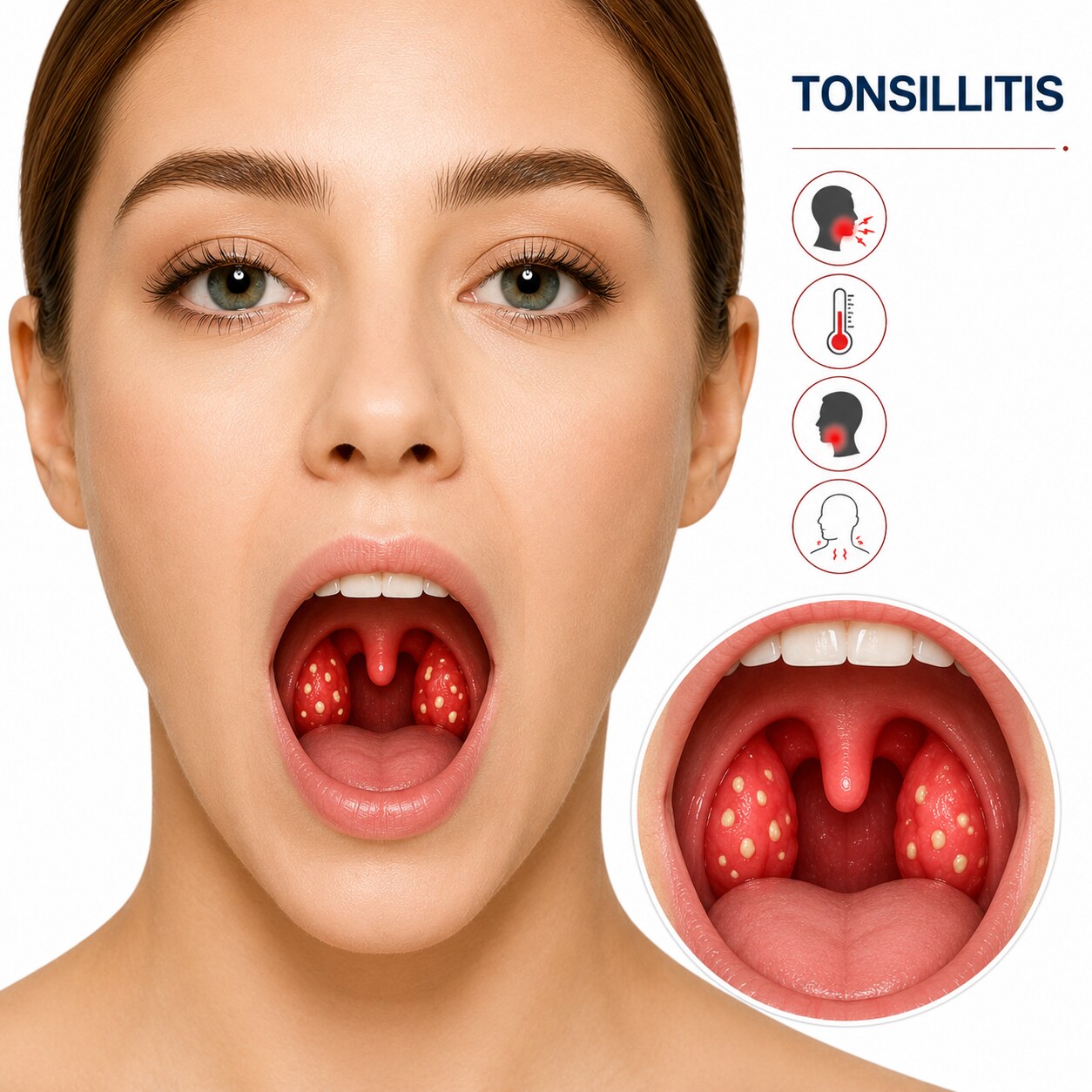
Tonsillitis
Recurring throat infections, painful swallowing — modern coblation tonsillectomy.
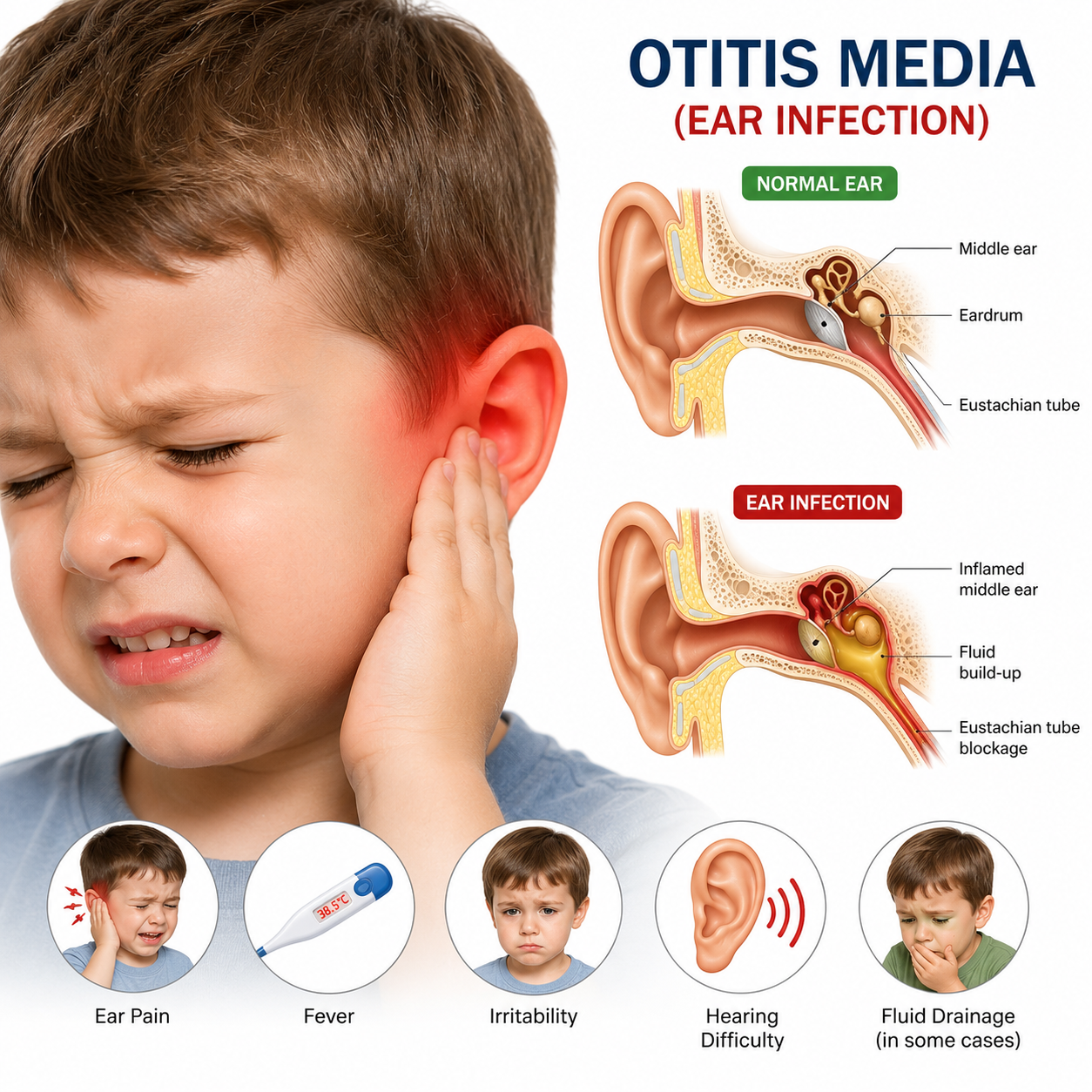
Otitis Media (Ear Infection)
Ear pain, discharge and hearing loss in children and adults.

Hearing Loss
Audiometry evaluation, hearing aid guidance and surgical options.
Answers about Thyroid Nodule & Surgery
Common questions about Thyroid Nodule & Surgery — diagnosis, treatment and recovery at Sanjeevi Hospital, Sangareddy.