
Nasal Polyps
Soft growths blocking the nose — medical and endoscopic surgical care.
⭐ Best ENT Hospital in Sangareddy — see full ENT page →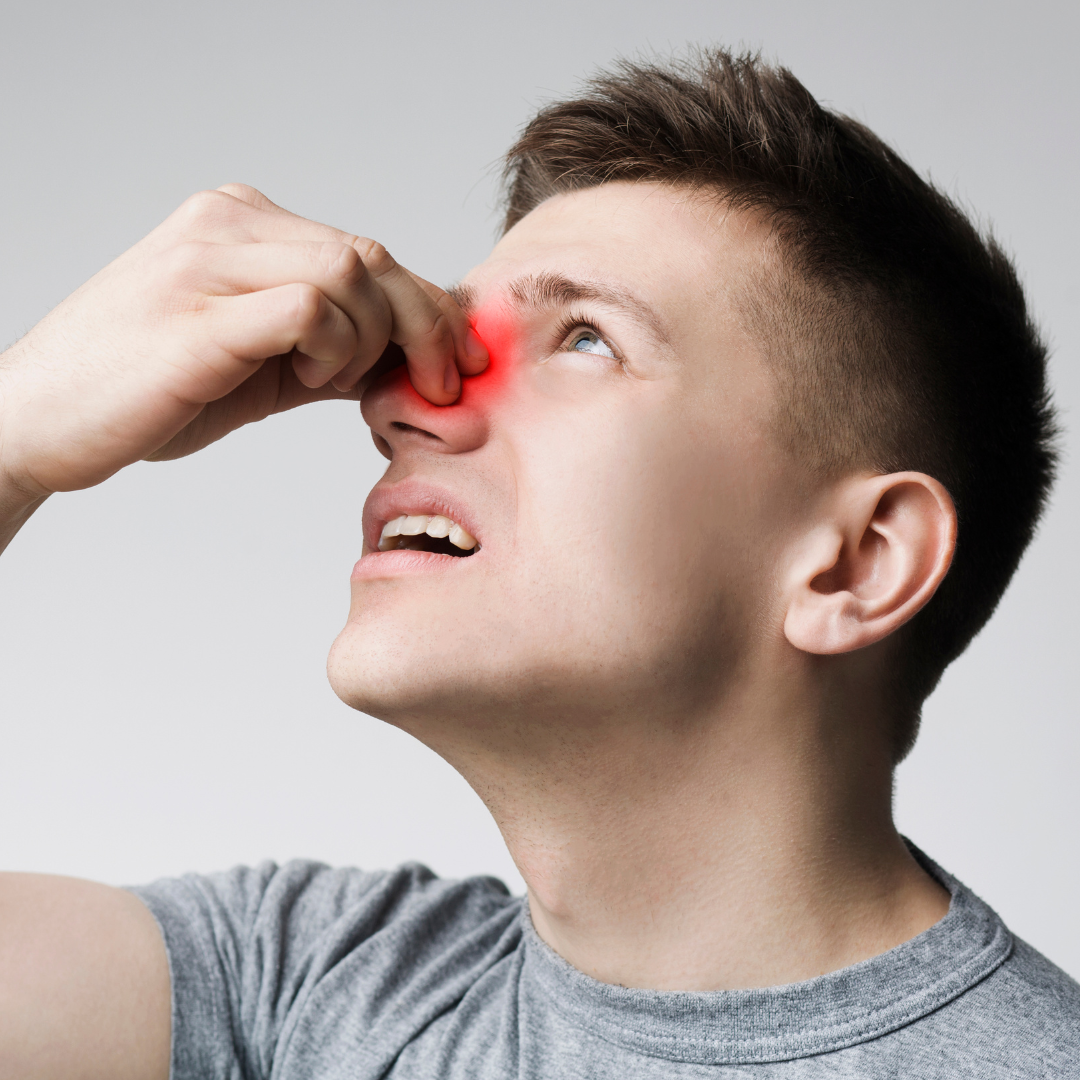
Overview
Nasal polyps are soft, painless, non-cancerous growths that develop on the lining of your nasal passages or sinuses, often resembling small grapes or teardrops hanging inside the nose. In a tropical and dusty country like India, where many people suffer from seasonal allergies, chronic sinusitis, and pollution-related irritations, nasal polyps are increasingly common. These growths result from chronic inflammation and can cause significant discomfort by blocking the airflow, making it difficult to breathe through the nose and dulling your sense of smell. While they are usually harmless in terms of being non-malignant, they can lead to recurring infections and sleep disturbances if left untreated. At Sanjeevi Hospital in Sangareddy, we understand how a persistent stuffy nose can affect your daily life and productivity. Our ENT specialists provide comprehensive care to shrink these polyps or remove them using modern, minimally invasive techniques, ensuring you can breathe freely again and enjoy the scents around you.
Symptoms to watch for
- A persistent runny nose or constant clear drainage
- Feeling like your nose is permanently blocked or stuffed up
- A reduced sense of smell or complete loss of ability to taste
- Dull facial pain or pressure, especially around the forehead and cheeks
- Frequent headaches that feel like sinus pressure
- Pain or discomfort in your upper teeth
- Snoring or noisy breathing during sleep that wasn't there before
- A sensation of something heavy or moving inside the nasal cavity
- Post-nasal drip, which is the feeling of mucus constantly dripping down the throat
Causes & risk factors
- Chronic or long-term sinus infections (sinusitis)
- Allergic rhinitis caused by dust, pollen, or pet dander
- Asthma, which causes overall inflammation in the airways
- Sensitivity to aspirin or other pain-relievers (Aspirin Exacerbated Respiratory Disease)
- Cystic fibrosis, a genetic condition that produces thick mucus
- Family history or genetic predisposition to nasal inflammation
- Vitamin D deficiency, which some studies link to respiratory health
- Environmental triggers like smoke and high pollution levels in urban areas
Diagnosis
- Nasal Endoscopy: A thin, flexible tube with a camera is used to look deep into your nasal passages
- CT Scan: Detailed imaging to determine the exact size and location of polyps deep in the sinuses
- Allergy Testing: Skin prick or blood tests to identify if allergies are triggering the inflammation
- Cystic Fibrosis Screening: Specific tests if polyps are found in young children
- Physical Examination: Using a lighted instrument to check the front of the nasal passages
Treatment options
Nasal Corticosteroids
Medicated nasal sprays help reduce inflammation and shrink the size of the polyps over time.
Oral or Injectable Steroids
For larger polyps or severe swelling, a short course of oral medication may be prescribed to provide rapid relief.
Antihistamines and Antibiotics
If allergies or bacterial infections are the root cause, these medications help manage the underlying irritation.
Functional Endoscopic Sinus Surgery (FESS)
A minimally invasive procedure where the surgeon uses an endoscope to carefully remove polyps and open the sinus passages.
Biologics
Newer injectable medications that target specific proteins in the immune system to prevent polyps from returning in chronic cases.
Saline Nasal Irrigation
Using a salt-water wash to clear mucus and allergens, keeping the nasal lining moist and reducing inflammatory triggers.
When to see a doctor
It is important to seek medical advice if your symptoms last for more than ten days or if you find the blockage is interfering with your sleep and quality of life. Please visit Sanjeevi Hospital immediately if you experience sudden worsening of symptoms, severe swelling around your eyes, or a high fever. We are here to listen with empathy and ensure that your breathing difficulties are addressed before they lead to more serious complications like obstructive sleep apnea.
Prevention & self-care
- Manage your allergies by staying indoors during high pollen counts
- Use a humidifier in your room to keep nasal passages from drying out
- Practice good hygiene and frequent handwashing to avoid viral infections
- Use a saline nasal rinse daily to flush out irritants like dust
- Avoid known irritants like tobacco smoke and strong chemical fumes
- Follow your asthma management plan strictly if you are a known asthmatic
- Stay hydrated to keep the mucus in your sinuses thin and fluid
Related conditions

Sinusitis
Chronic sinus inflammation, blocked nose, facial pain — relief through medication and FESS.
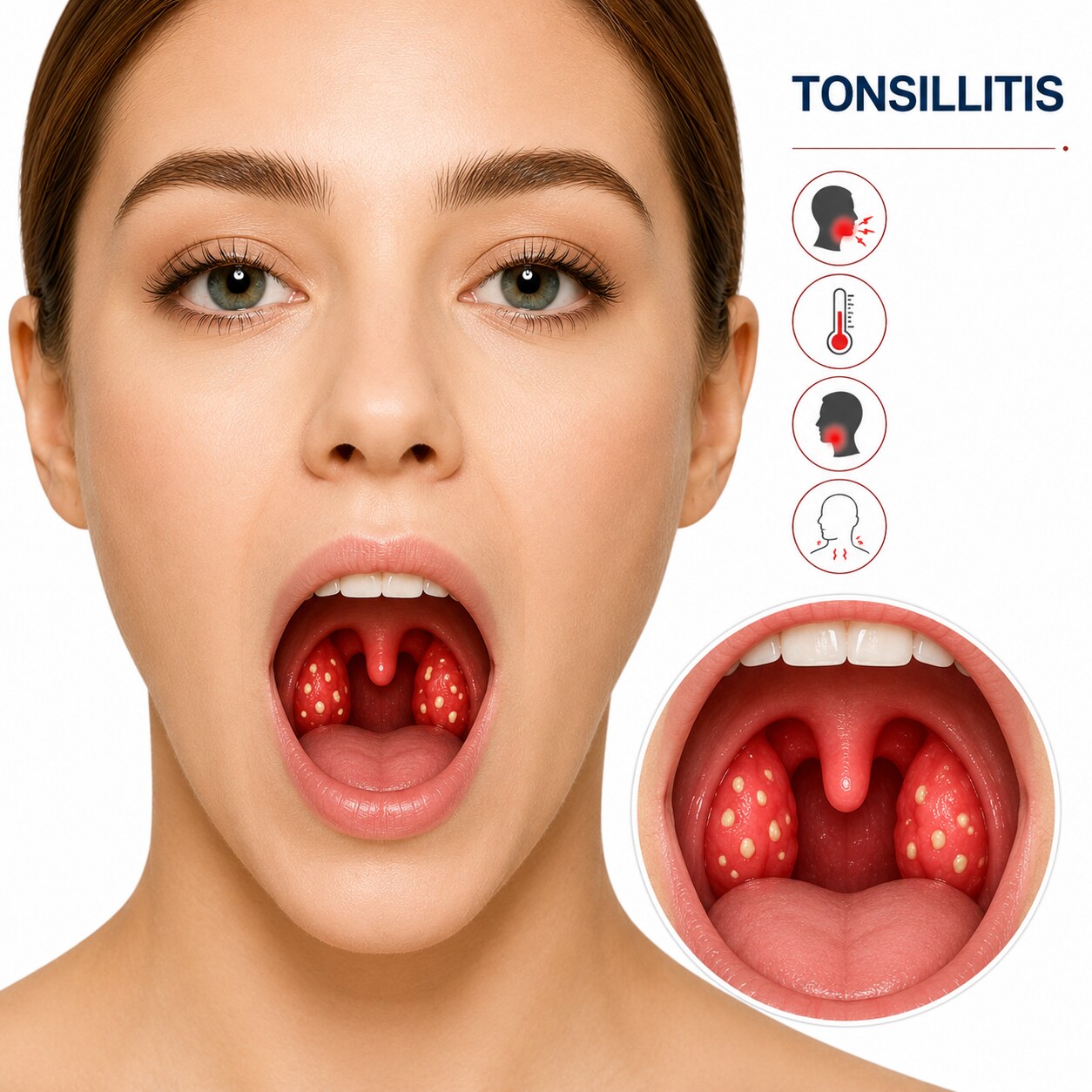
Tonsillitis
Recurring throat infections, painful swallowing — modern coblation tonsillectomy.
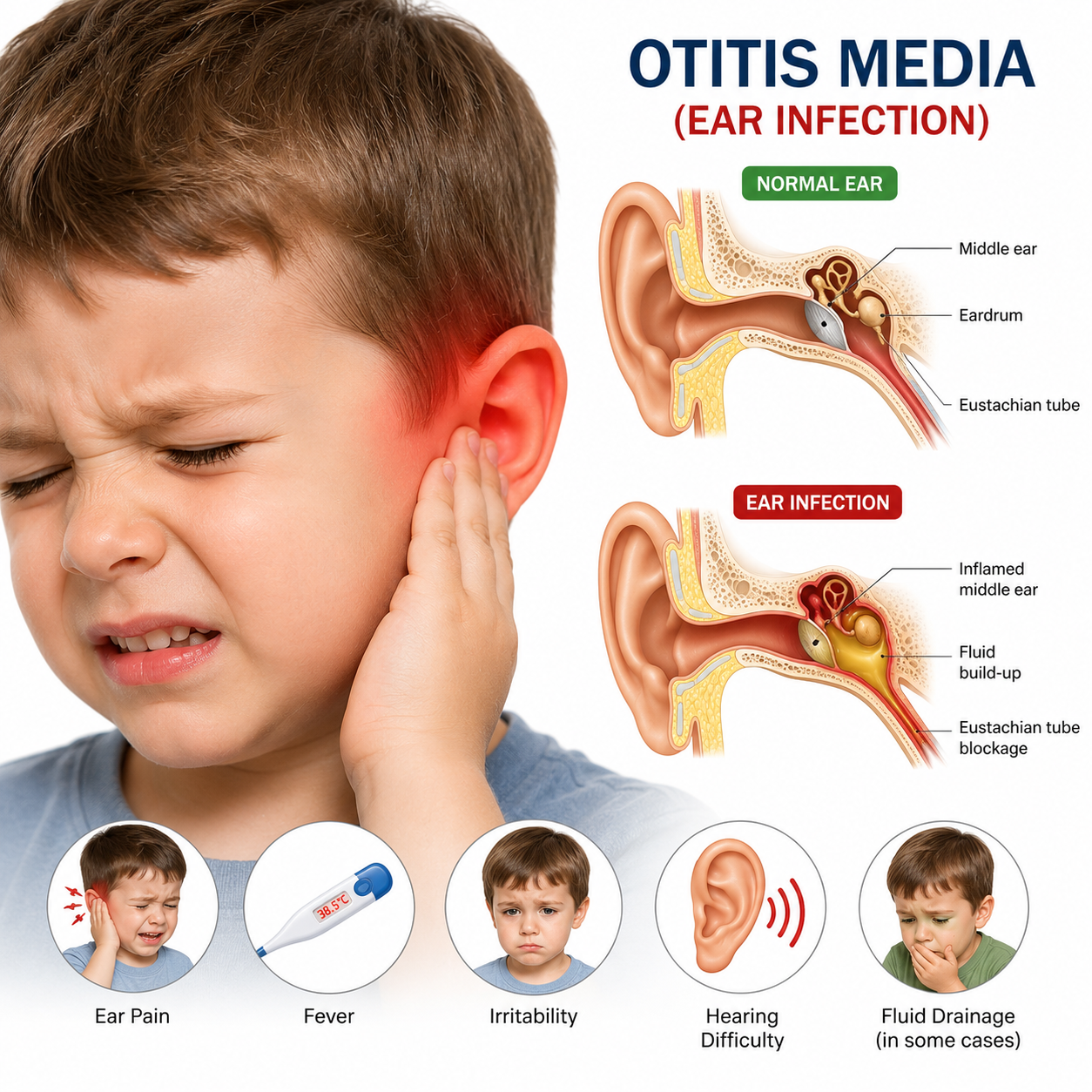
Otitis Media (Ear Infection)
Ear pain, discharge and hearing loss in children and adults.

Hearing Loss
Audiometry evaluation, hearing aid guidance and surgical options.

Answers about Nasal Polyps
Common questions about Nasal Polyps — diagnosis, treatment and recovery at Sanjeevi Hospital, Sangareddy.