
Otitis Media (Ear Infection)
Ear pain, discharge and hearing loss in children and adults.
⭐ Best ENT Hospital in Sangareddy — see full ENT page →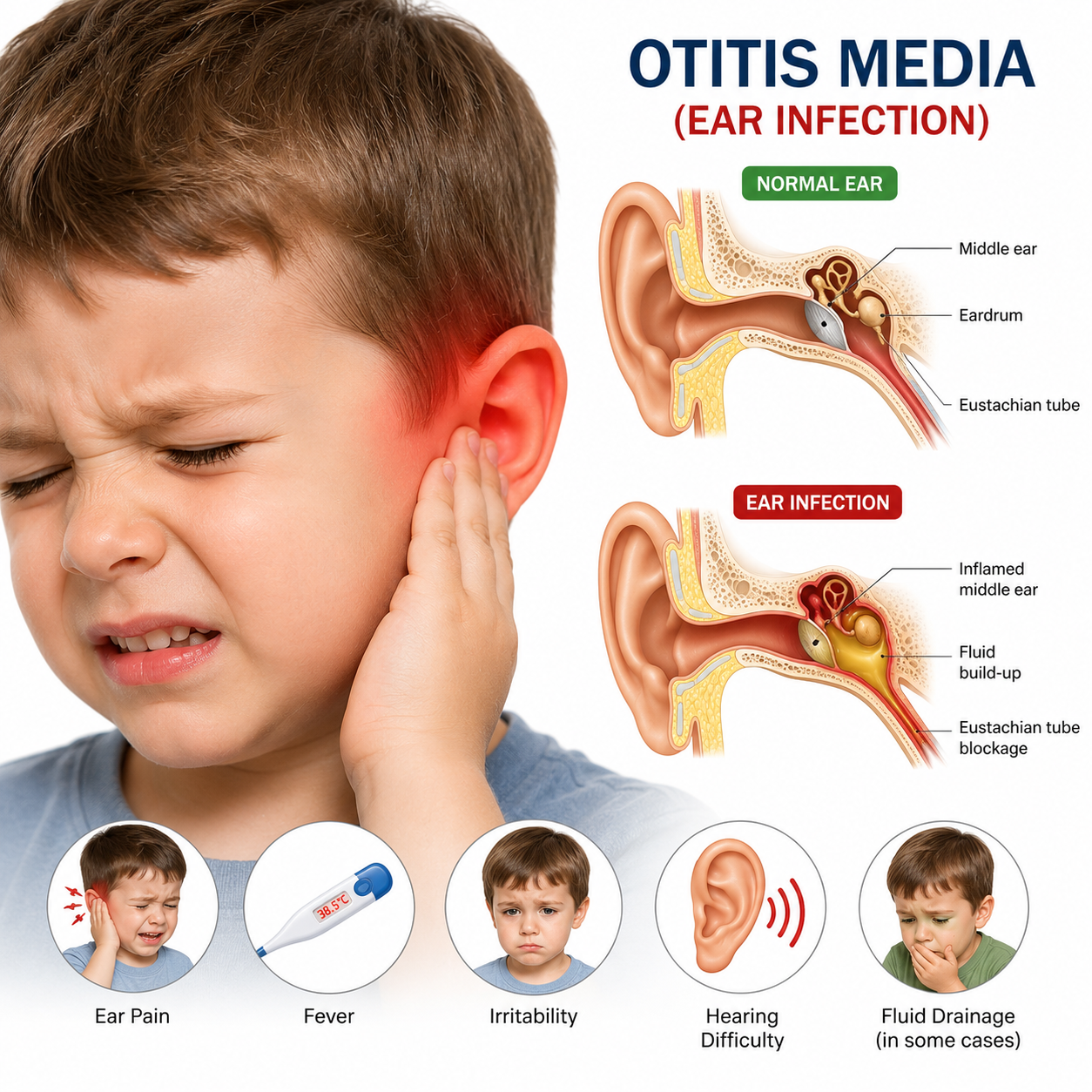
Overview
Otitis media is a common medical condition characterized by inflammation or infection of the middle ear, the air-filled space behind the eardrum that contains the tiny vibrating bones of the ear. In India, this condition is particularly prevalent among children due to their developing immune systems and shorter Eustachian tubes, though it significantly affects adults as well. It often follows a common cold, flu, or respiratory allergy, leading to fluid buildup and pressure. While many cases resolve with proper care, untreated otitis media can lead to chronic hearing issues, eardrum perforation, or more serious complications. At Sanjeevi Hospital in Sangareddy, we understand how distressing ear pain can be for both children and parents. Our ENT specialists focus on accurate diagnosis and gentle, effective management to ensure your family's hearing health is protected. Whether it is a sudden ache or persistent fluid drainage, timely intervention is key to preventing long-term damage and ensuring a quick recovery.
Symptoms to watch for
- Sharp, dull, or throbbing pain inside the ear
- A feeling of fullness or pressure in the ear canal
- Fluid drainage that may look like pus, blood, or clear liquid
- Muffled hearing or a temporary decrease in hearing clarity
- Fever, often accompanied by irritability in young children
- Tugging or pulling at the ears (especially common in infants)
- Loss of balance or dizziness in older children and adults
- Trouble sleeping due to increased pain when lying down
- Loss of appetite or difficulty feeding in babies
Causes & risk factors
- Bacterial infections, often following a throat infection or cold
- Viral infections like the common flu or respiratory syncytial virus
- Chronic allergies (allergic rhinitis) causing swelling in nasal passages
- Swollen adenoids that block the Eustachian tube drainage
- Exposure to secondhand smoke or heavy environmental pollution
- Water entering the middle ear through a pre-existing eardrum hole
- Changes in air pressure, such as during air travel or diving
- Poor nutritional status or weakened immune systems in growing children
Diagnosis
- Pneumatic Otoscopy to visualize the eardrum and check its movement using a puff of air
- Tympanometry to measure how the eardrum responds to changes in air pressure
- Acoustic Reflectometry to determine how much sound is reflected back by the eardrum
- Hearing tests (Audiometry) to assess if the infection has impacted hearing levels
- Tympanocentesis, where a small needle is used to drain fluid for laboratory testing
- CT or MRI scans in rare cases where the infection is suspected to have spread
- Physical examination of the throat, nasal passages, and breathing patterns
Treatment options
Observation and Wait-and-See
For mild cases in older children, doctors may monitor the condition for 48 to 72 hours as many viral ear infections resolve on their own without medicine.
Antibiotic Therapy
If a bacterial infection is confirmed, our specialists prescribe a full course of oral antibiotics to eliminate the germs and prevent the infection from returning.
Pain Management and Fever Control
Over-the-counter medications suitable for the patient's age are recommended to reduce earache and bring down high body temperatures for comfort.
Ear Drops
Medicated drops may be prescribed to reduce inflammation or treat an infection if there is a hole in the eardrum or if an external infection is also present.
Myringotomy (Ear Tubes)
A minor surgical procedure where a tiny ventilating tube is placed in the eardrum to drain persistent fluid and equalize pressure in chronic cases.
Adenoidectomy
If enlarged adenoids at the back of the nose are repeatedly blocking the ear tubes and causing infections, surgical removal of the adenoids may be recommended.
When to see a doctor
It is important to seek medical attention at Sanjeevi Hospital if you or your child experiences severe ear pain that lasts more than a day, or if you notice any discharge of fluid, pus, or bloody liquid from the ear. Please do not ignore signs like sudden hearing loss, a high fever over 102 degrees Fahrenheit, or if a child becomes unusually irritable and cannot be consoled. We are here to provide a gentle examination and ensure the infection does not spread to other parts of the head.
Prevention & self-care
- Ensure your child receives all scheduled vaccinations, including the flu and pneumococcal vaccines
- Practice frequent handwashing to prevent the spread of colds and respiratory germs
- Avoid exposure to secondhand cigarette smoke and heavy kitchen smoke found in some households
- Breastfeed infants for at least six months to provide essential antibodies for immunity
- Hold babies in an upright position during bottle feeding rather than letting them lie flat
- Keep children away from others who are sick with colds or coughs whenever possible
- Manage seasonal allergies effectively with the help of an ENT specialist to prevent nasal congestion
- Avoid using cotton swabs or 'ear buds' which can push wax deeper and damage the ear canal
Related conditions

Sinusitis
Chronic sinus inflammation, blocked nose, facial pain — relief through medication and FESS.
Tonsillitis
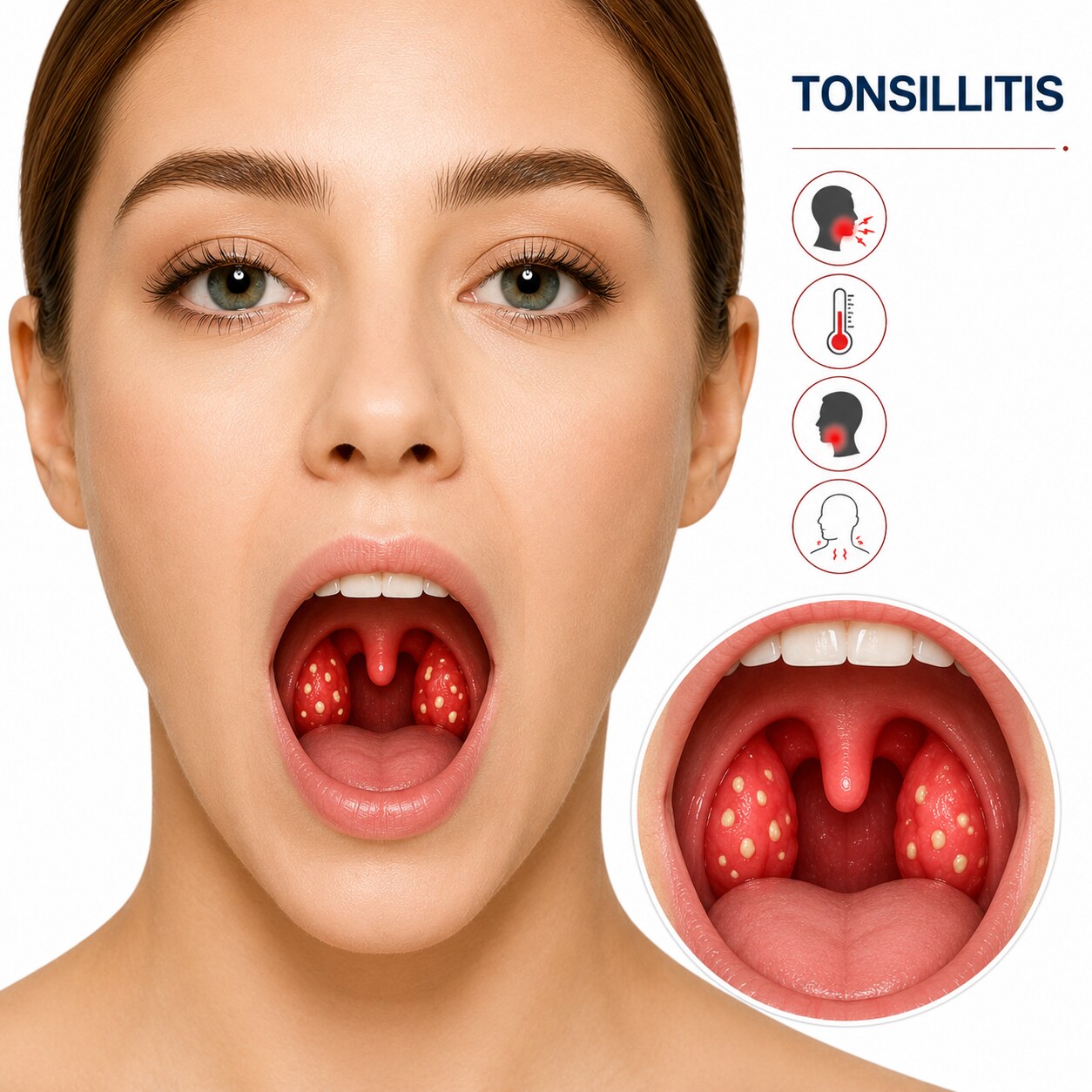
Recurring throat infections, painful swallowing — modern coblation tonsillectomy.

Hearing Loss
Audiometry evaluation, hearing aid guidance and surgical options.

Vertigo & Dizziness
Spinning sensation and balance issues — diagnosis and BPPV treatment.

Answers about Otitis Media (Ear Infection)
Common questions about Otitis Media (Ear Infection) — diagnosis, treatment and recovery at Sanjeevi Hospital, Sangareddy.