
Snoring & Sleep Apnea
Disruptive snoring and breathing pauses — sleep study and treatment.
⭐ Best ENT Hospital in Sangareddy — see full ENT page →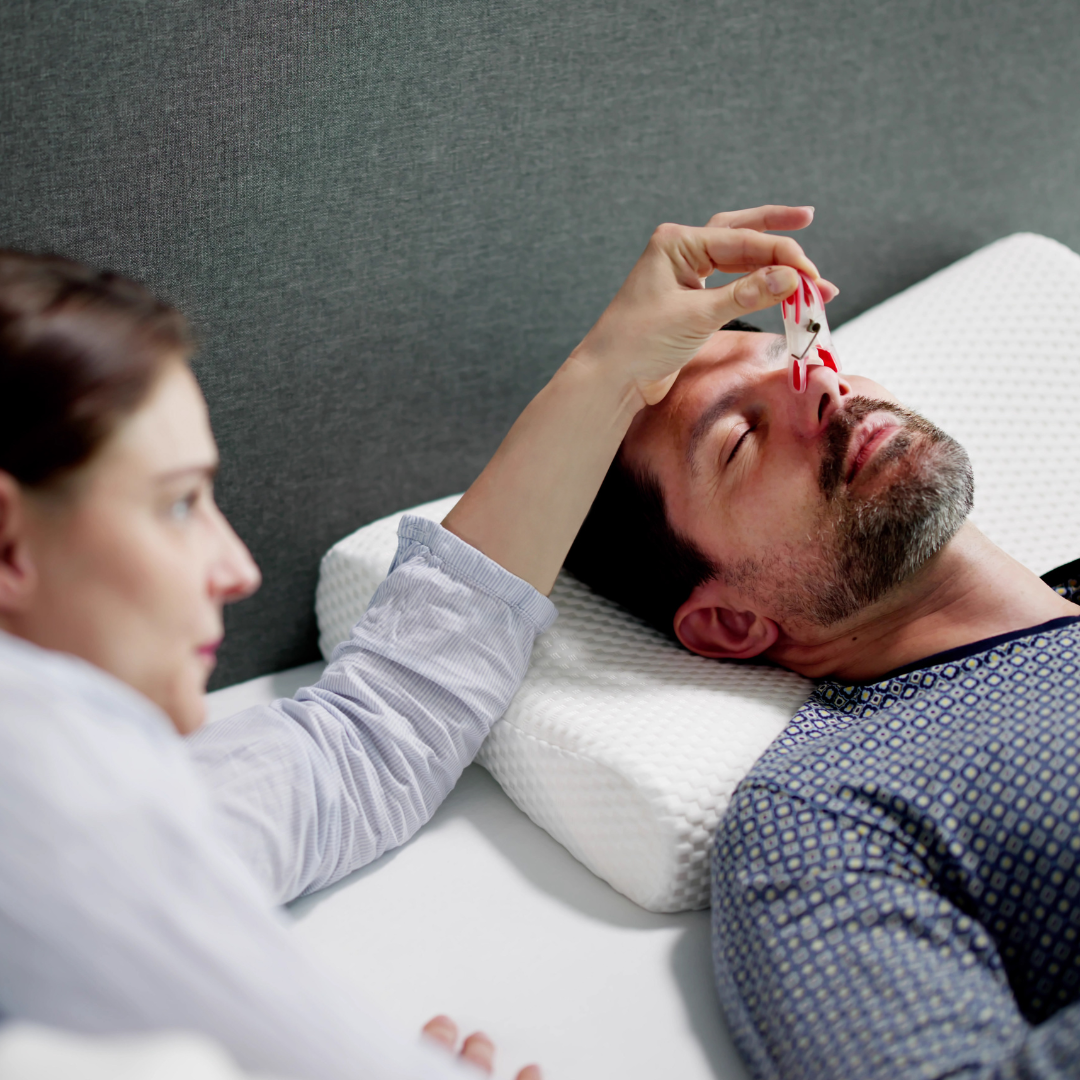
Overview
Snoring is often dismissed as a harmless habit, but it can sometimes indicate a more serious condition known as Obstructive Sleep Apnea (OSA). In India, shifting lifestyles and rising obesity levels have made sleep-disordered breathing increasingly common, affecting millions of adults and even children. When you sleep, the muscles in your throat relax; if they relax too much, they can narrow or block the airway, leading to the characteristic sound of snoring or temporary pauses in breathing. These pauses can happen dozens of times an hour, depriving your brain and heart of vital oxygen. Over time, untreated sleep apnea leads to chronic fatigue, high blood pressure, and a higher risk of heart attacks. At Sanjeevi Hospital in Sangareddy, our ENT specialists focus on identifying the root cause of your snoring—whether it is due to nasal congestion, tonsil enlargement, or throat structure—to help you regain restful sleep and protect your long-term health.
Symptoms to watch for
- Extremely loud and persistent snoring that disturbs others
- Witnessed episodes of gasping or choking during sleep
- Feeling excessively sleepy or tired during the daytime
- Waking up with a very dry mouth or a sore throat
- Frequent morning headaches that fade later in the day
- Difficulty concentrating or feeling irritable and moody
- Waking up multiple times at night to urinate
- Restless tossing and turning throughout the night
- High blood pressure that is difficult to control with medicine
Causes & risk factors
- Excess body weight or obesity leading to fat deposits around the neck
- Naturally narrow airway or structural issues in the throat and jaw
- Enlarged tonsils or adenoids, especially common in children
- Chronic nasal congestion due to allergies or a deviated septum
- Use of alcohol or sedatives which overly relax the throat muscles
- Aging, which leads to a loss of muscle tone in the airway
- Smoking, which increases inflammation and fluid retention in the upper airway
- Family history of snoring or obstructive sleep apnea
Diagnosis
- Detailed clinical history and physical examination of the nose and throat
- Polysomnography (Overnight Sleep Study) to monitor oxygen and breathing patterns
- Home Sleep Apnea Testing (HSAT) using portable monitoring devices
- Fiberoptic Nasal Endoscopy to check for internal obstructions in the airway
- Epworth Sleepiness Scale questionnaire to assess daytime fatigue levels
- Imaging tests like X-rays or CT scans to view the upper airway structure
- Evaluation of Body Mass Index (BMI) and neck circumference
Treatment options
Lifestyle Modifications
Weight management through healthy Indian diets and regular exercise can significantly reduce the pressure on your airway and minimize snoring.
CPAP Therapy
Continuous Positive Airway Pressure uses a gentle machine and mask to keep your airway open with a steady stream of air while you sleep.
Oral Appliances
Custom-fitted dental devices that move your lower jaw forward to keep the back of the throat open during the night.
Nasal Surgery (Septoplasty)
A procedure to straighten a crooked nasal septum, improving airflow and reducing the effort needed to breathe through the nose.
Tonsillectomy and Adenoidectomy
Surgical removal of enlarged tonsils or adenoid tissue that may be physically blocking the throat passage, especially in younger patients.
UPPP (Uvulopalatopharyngoplasty)
A specialized ENT surgery that removes or reshapes excess tissue in the throat, such as the uvula and soft palate, to widen the airway.
Positional Therapy
Using specialized pillows or techniques to encourage sleeping on your side, which prevents the tongue from falling back and blocking the throat.
Radiofrequency Ablation
A minimally invasive procedure that uses controlled energy to shrink excess tissue in the tongue or soft palate to reduce vibrations.
When to see a doctor
It is important to seek medical advice if your snoring is loud enough to wake yourself or others, or if you feel exhausted even after a full night's sleep. If you ever wake up gasping for air or if your partner notices that you stop breathing momentarily during the night, please do not ignore these signs. We understand that sleep issues can be stressful; our friendly team at Sanjeevi Hospital is here to provide a calm and thorough evaluation to ensure you breathe easily again.
Prevention & self-care
- Maintain a healthy weight through a balanced diet including local vegetables and pulses
- Avoid consuming alcohol or heavy meals at least 3-4 hours before bedtime
- Try to sleep on your side rather than on your back to keep the airway open
- Establish a consistent sleep schedule to ensure your body gets regular rest
- Treat nasal allergies or congestion promptly with steam inhalation or saline drops
- Raise the head of your bed by about 4 to 6 inches using pillows
- Quit smoking to reduce swelling in the tissues of your upper respiratory tract
- Keep hydrated throughout the day to prevent sticky secretions in the nose and throat
Related conditions

Sinusitis
Chronic sinus inflammation, blocked nose, facial pain — relief through medication and FESS.
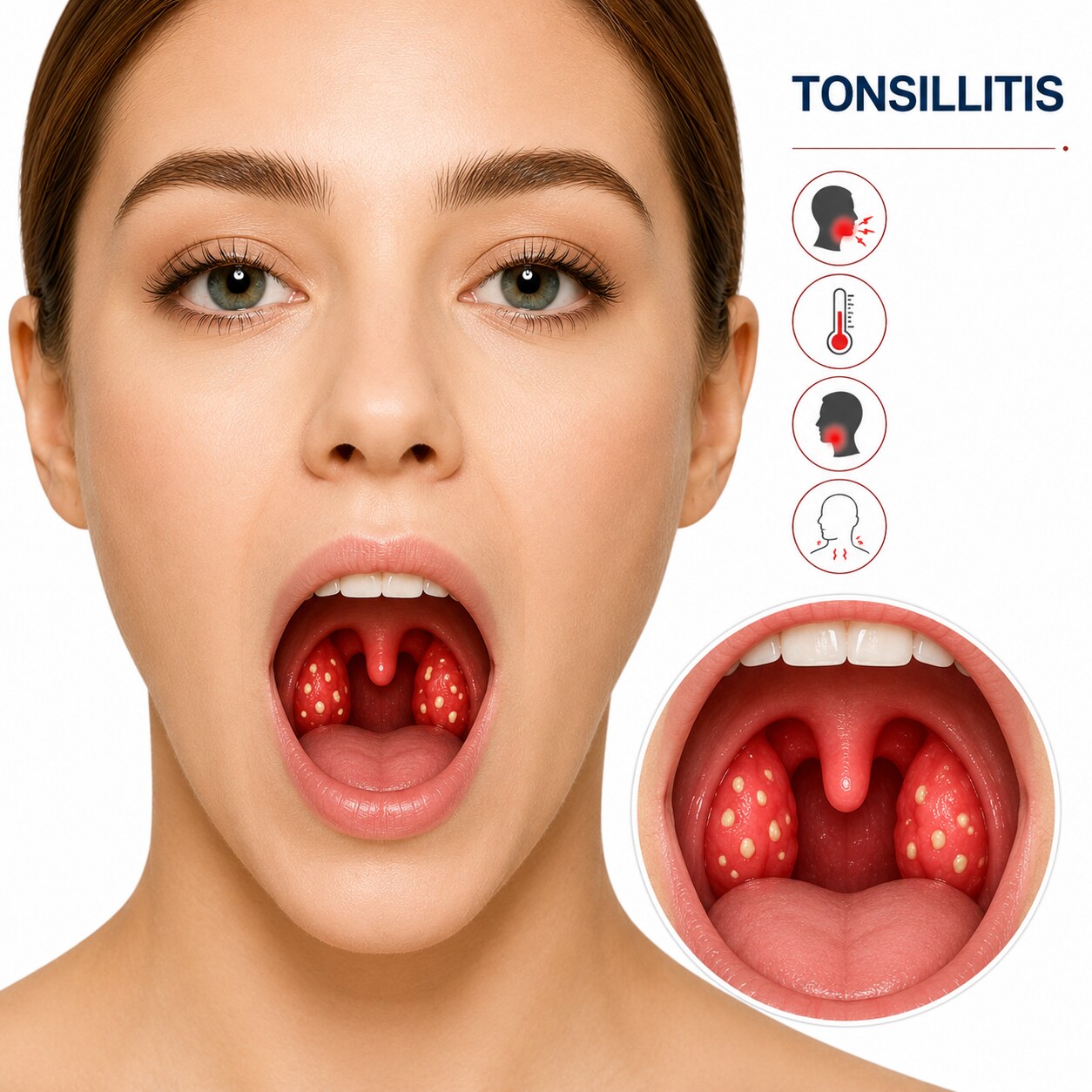
Tonsillitis
Recurring throat infections, painful swallowing — modern coblation tonsillectomy.
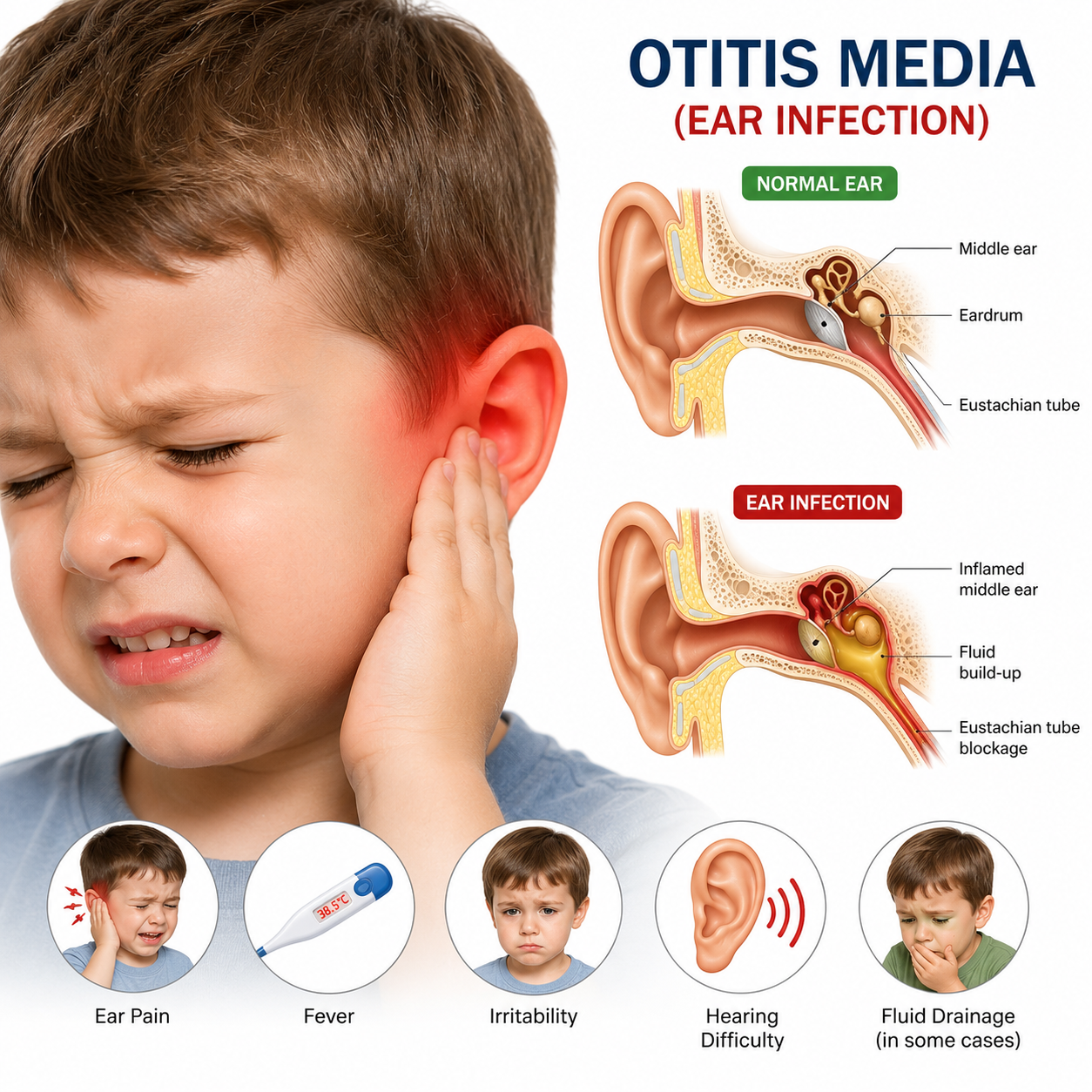
Otitis Media (Ear Infection)
Ear pain, discharge and hearing loss in children and adults.
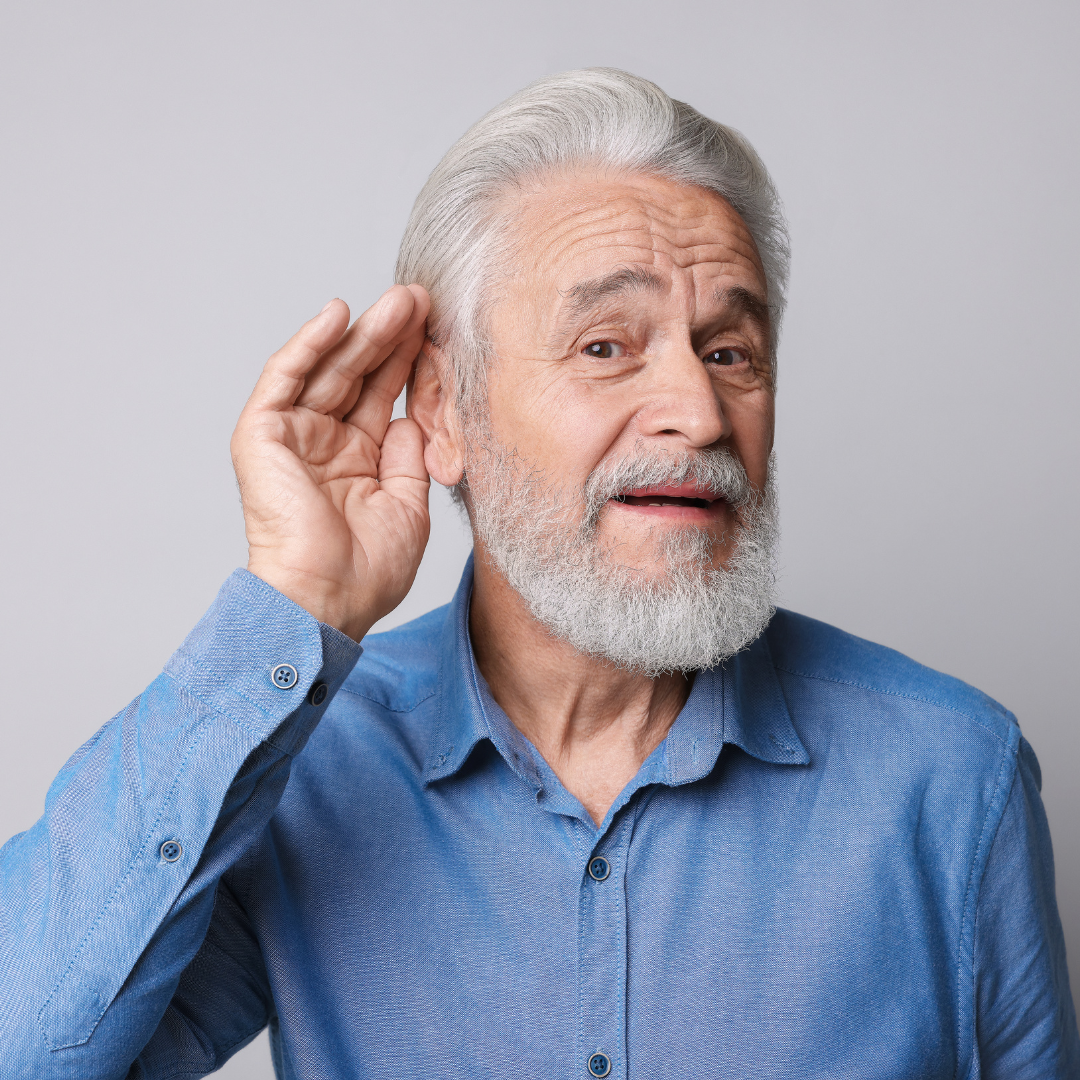
Hearing Loss
Audiometry evaluation, hearing aid guidance and surgical options.

Answers about Snoring & Sleep Apnea
Common questions about Snoring & Sleep Apnea — diagnosis, treatment and recovery at Sanjeevi Hospital, Sangareddy.