
Vertigo & Dizziness
Spinning sensation and balance issues — diagnosis and BPPV treatment.
⭐ Best ENT Hospital in Sangareddy — see full ENT page →
Overview
Vertigo is more than just feeling lightheaded; it is the false sensation that you or your surroundings are spinning or tilting. In India, balance disorders are quite common, often affecting older adults but frequently seen in younger individuals due to stress, inner ear infections, or migraines. Since our sense of balance depends on a complex coordination between the inner ear, the eyes, and the brain, any disruption in these systems can lead to dizziness. At Sanjeevi Hospital in Sangareddy, we understand how scary and disruptive this feeling can be. It can interfere with your daily chores, work, and even your ability to walk safely. Vertigo is typically a symptom of an underlying condition rather than a disease itself. For most patients in our community, timely diagnosis through specialized ENT evaluation leads to effective management, allowing you to return to your normal routine without the constant fear of falling or losing control.
Symptoms to watch for
- A sensation that you or the room is spinning (vertigo)
- Feeling unsteady, as if you might lose your balance or fall
- Nausea or vomiting triggered by head movements
- A heavy or lightheaded feeling in the head
- Ringing in the ears, also known as tinnitus
- A feeling of fullness or pressure inside the ear
- Blurry vision or difficulty focusing when moving the head
- Episodes of fainting or feeling like you might black out
- Difficulty walking in a straight line or swaying to one side
Causes & risk factors
- BPPV (Benign Paroxysmal Positional Vertigo) caused by small calcium crystals moving in the inner ear
- Labyrinthitis or Vestibular Neuritis resulting from viral infections of the inner ear
- Meniere's disease, which involves an accumulation of fluid pressure in the ear
- Vestibular Migraine, where dizziness occurs as a symptom of a migraine headache
- Reduced blood flow to the base of the brain due to cervical issues or vascular changes
- Side effects from certain medications used for blood pressure or infections
- Age-related changes in the balance system and sensory organs
- Head injuries or trauma that affect the delicate structures of the ear
Diagnosis
- Detailed clinical history including the duration and triggers of dizzy spells
- Dix-Hallpike maneuver to check for specific eye movements called nystagmus
- Pure Tone Audiometry (PTA) to assess if hearing loss is linked to the dizziness
- Videonystagmography (VNG) to track involuntary eye movements using special goggles
- Caloric testing to measure the response of the inner ear to temperature changes
- Imaging tests like MRI or CT scans to rule out neurological causes or tumors
- Posturography to evaluate how well you maintain balance in different conditions
Treatment options
Canalith Repositioning Maneuvers (Epley Maneuver)
A series of specific head and body movements used to move displaced calcium crystals out of the sensitive part of your inner ear and back into the correct chamber.
Vestibular Rehabilitation Therapy (VRT)
A specialized exercise-based program designed by our therapists to help your brain relearn how to process balance signals and reduce your sensitivity to movement.
Medication Management
Short-term use of vestibular suppressants and anti-nausea medications to manage acute symptoms of spinning and vomiting during severe attacks.
Dietary and Lifestyle Counseling
Guidance on reducing salt, caffeine, and alcohol intake, which is especially helpful for patients suffering from Meniere's disease to control fluid pressure in the ear.
Intratympanic Injections
In some chronic cases, specialists may gently inject medication directly through the eardrum into the middle ear to help control severe vertigo symptoms.
Surgical Intervention
While rare, surgery may be considered for persistent cases caused by physical abnormalities in the ear structures that do not respond to conservative therapy.
When to see a doctor
It is important to seek medical help if your dizziness is frequent, severe, or lasts for a long time. Please visit Sanjeevi Hospital immediately if you experience vertigo along with any 'red flag' symptoms such as sudden hearing loss, severe headache, double vision, numbness in the face or limbs, difficulty speaking, or a high fever. We are here to listen to your concerns and provide a safe environment for your recovery. Early intervention is the best way to prevent falls and ensure that your balance is restored quickly and safely.
Prevention & self-care
- Get out of bed slowly by sitting on the edge for a minute before standing up
- Avoid sudden head movements or looking up quickly at high shelves
- Keep your home well-lit and remove loose rugs to prevent tripping or falling
- Stay hydrated and maintain a consistent sleep schedule to reduce migraine triggers
- Manage chronic conditions like diabetes and high blood pressure with regular check-ups
- Use a walking stick if you feel unsteady until your treatment is complete
- Practice simple balance exercises as recommended by your ENT specialist
- Limit the use of tobacco and excessive caffeine which can affect ear circulation
Related conditions

Sinusitis
Chronic sinus inflammation, blocked nose, facial pain — relief through medication and FESS.

Tonsillitis
Recurring throat infections, painful swallowing — modern coblation tonsillectomy.
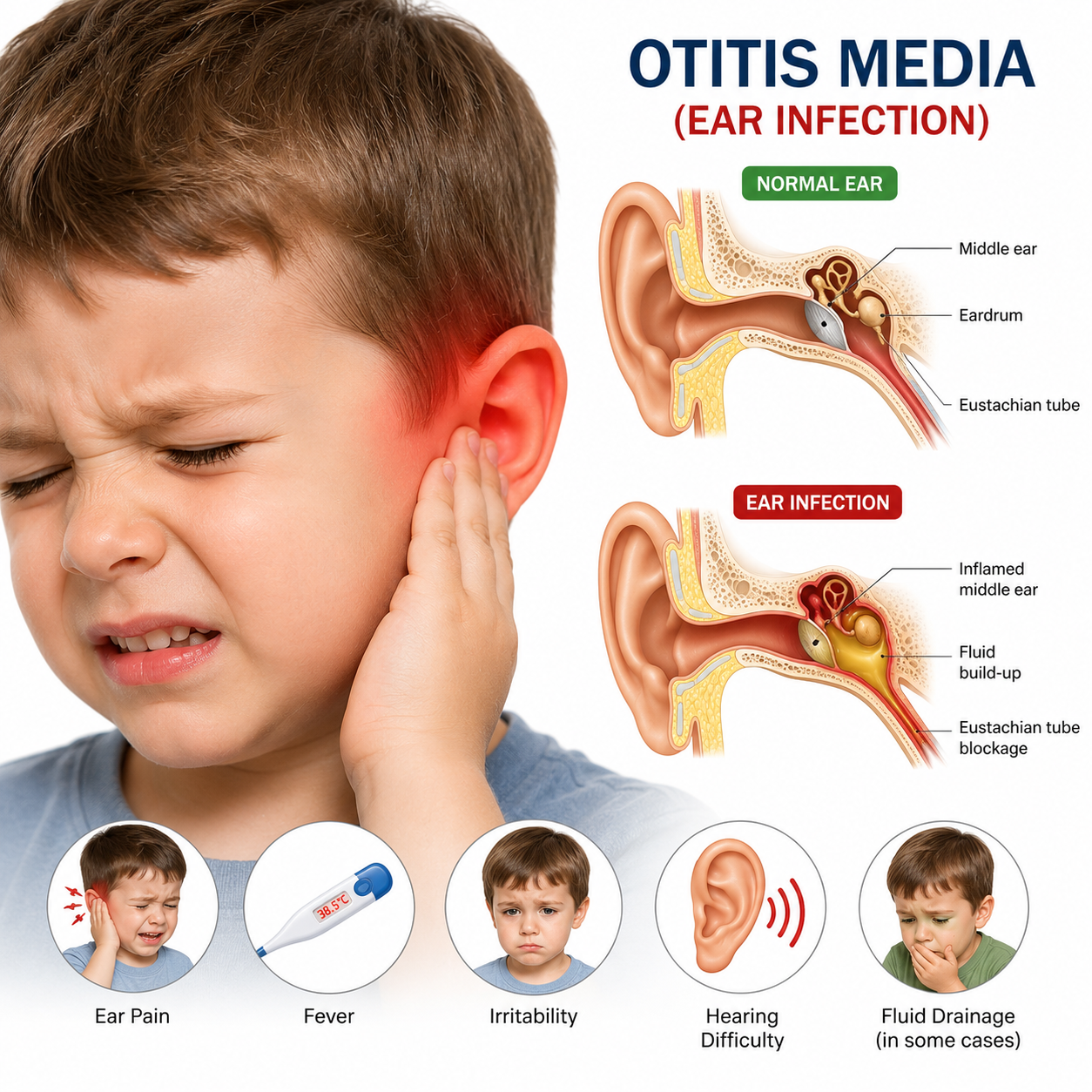
Otitis Media (Ear Infection)
Ear pain, discharge and hearing loss in children and adults.

Hearing Loss
Audiometry evaluation, hearing aid guidance and surgical options.

Answers about Vertigo & Dizziness
Common questions about Vertigo & Dizziness — diagnosis, treatment and recovery at Sanjeevi Hospital, Sangareddy.