
Tonsillitis
Recurring throat infections, painful swallowing — modern coblation tonsillectomy.
⭐ Best ENT Hospital in Sangareddy — see full ENT page →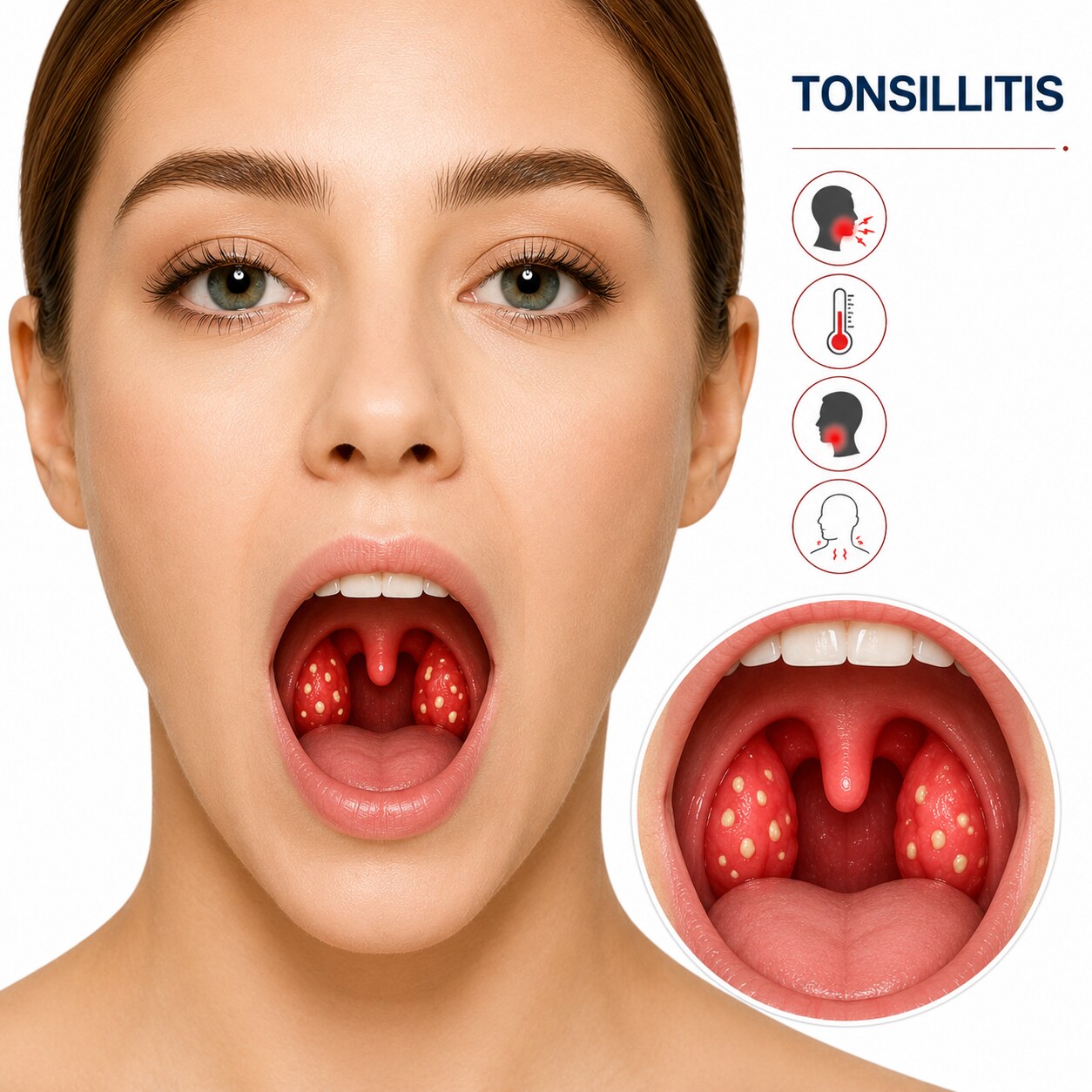
Overview
Tonsillitis is the inflammation of the tonsils, which are the two oval-shaped pads of tissue at the back of your throat that serve as your body's first line of defense against infection. In India, this condition is extremely common, especially among children and teenagers, often flaring up during the seasonal shifts and monsoon periods. When these tissues become overwhelmed by bacteria or viruses, they swell up, causing significant discomfort, difficulty in swallowing, and fever. While most cases are viral and resolve with rest, chronic or recurring tonsillitis can lead to complications like sleep apnea or peritonsillar abscesses if left untreated. At Sanjeevi Hospital in Sangareddy, we understand how a sore throat can disrupt a child’s schooling and a parent’s peace of mind. We focus on accurate diagnosis and gentle care to help your family breathe and swallow comfortably again.
Symptoms to watch for
- Red, swollen tonsils that look larger than usual
- A white or yellow coating or patches on the tonsils
- Sore throat that makes swallowing difficult and painful
- High fever, often accompanied by chills and shivering
- Enlarged, tender lymph nodes (glands) in the neck
- A scratchy, muffled, or throaty-sounding voice
- Bad breath that persists even after brushing specialized care
- Stiff neck or pain when moving the head
- Stomach ache, especially in younger children who cannot describe throat pain
Causes & risk factors
- Common cold viruses such as rhinovirus and influenza
- Group A Streptococcus bacteria (the most frequent bacterial cause)
- Epstein-Barr virus which also causes glandular fever
- Environmental pollutants and dust common in transitioning urban areas
- Weakened immune system due to poor nutrition or lack of sleep
- Close contact in schools or nurseries where germs spread quickly
- Secondary infections following an existing respiratory tract illness
Diagnosis
- A physical examination using a lighted instrument to check the throat
- Palpation of the neck to check for swollen lymph nodes
- A rapid strep test involving a gentle throat swab for immediate results
- Throat culture to identify specific bacteria and the best antibiotic choice
- Complete Blood Count (CBC) at our in-house lab to check for viral vs bacterial markers
- A check of the ears and nose to rule out related infections
Treatment options
Hydration and Rest
Drinking plenty of warm fluids like herbal tea or kanji and getting adequate sleep helps the body fight the infection naturally.
Medicated Gargles
Using warm salt water or prescribed antiseptic gargles helps reduce local inflammation and clears away mucus buildup in the throat.
Antibiotic Therapy
If our specialists determine the infection is bacterial, a specific course of antibiotics will be prescribed to eliminate the germs and prevent rheumatic fever.
Pain Management
Patient-friendly medications are provided to manage high fever and reduce the intensity of pain while swallowing and speaking.
Coblation Tonsillectomy
A modern, minimally invasive surgery using radiofrequency energy to remove tonsils with less heat, resulting in faster recovery and minimal bleeding.
Traditional Cold Steel Tonsillectomy
A tried-and-tested surgical procedure to remove chronically infected tonsils under general anesthesia, performed with precision by our ENT surgeons.
Supportive Care for Viral Tonsillitis
Since antibiotics don't work on viruses, we provide specialized supportive care to manage symptoms until the virus clears the system.
When to see a doctor
It is important to seek medical attention if a sore throat lasts longer than 48 hours or is accompanied by a very high fever. Please visit Sanjeevi Hospital immediately if your child is drooling because they cannot swallow, has a very stiff neck, or is having any difficulty breathing. We reach out with empathy to parents; we know it is distressing to see your child in pain, and our doctors are here to provide gentle, rapid relief to prevent any complications like abscesses.
Prevention & self-care
- Wash hands thoroughly and frequently, especially after using the washroom and before eating
- Avoid sharing water bottles, utensils, or personal towels with others
- Replace your toothbrush after being diagnosed with tonsillitis to prevent reinfection
- Keep children at home when they are sick to prevent the spread to classmates
- Cough or sneeze into a tissue or the elbow rather than into the hands
- Encourage a balanced Indian diet rich in Vitamin C and proteins to boost immunity
- Stay hydrated and avoid very cold or excessively spicy foods during seasonal changes
Related conditions

Sinusitis
Chronic sinus inflammation, blocked nose, facial pain — relief through medication and FESS.
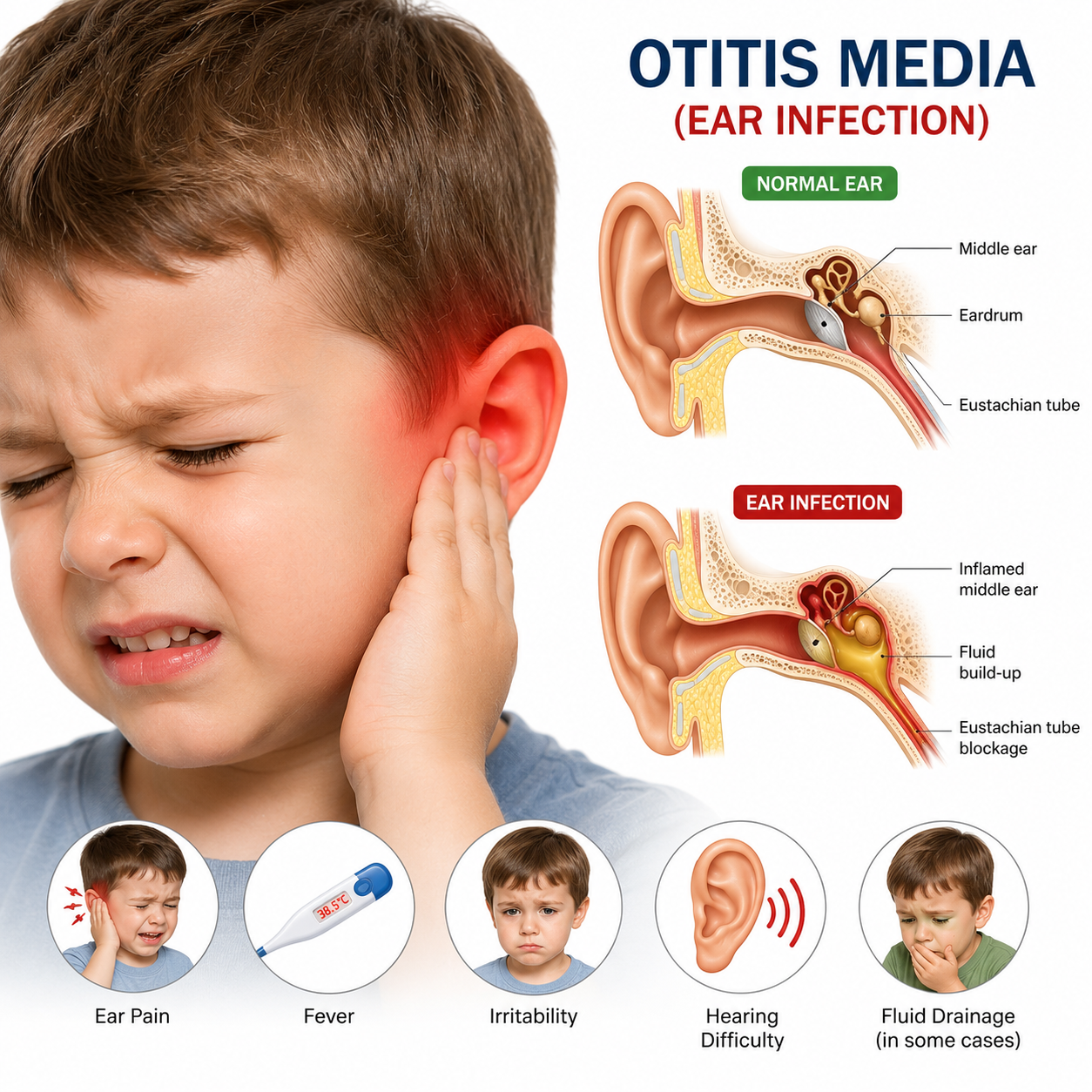
Otitis Media (Ear Infection)
Ear pain, discharge and hearing loss in children and adults.

Hearing Loss
Audiometry evaluation, hearing aid guidance and surgical options.

Vertigo & Dizziness
Spinning sensation and balance issues — diagnosis and BPPV treatment.

Answers about Tonsillitis
Common questions about Tonsillitis — diagnosis, treatment and recovery at Sanjeevi Hospital, Sangareddy.