
Hearing Loss
Audiometry evaluation, hearing aid guidance and surgical options.
⭐ Best ENT Hospital in Sangareddy — see full ENT page →
Overview
Hearing loss is a common condition where you experience a decreased ability to perceive sounds, making it difficult to engage in conversations or enjoy everyday activities. In India, it is estimated that millions of people live with some form of hearing impairment, ranging from mild difficulty to complete deafness. Whether it occurs gradually due to aging or suddenly because of an infection or injury, hearing loss can deeply impact your social life, work performance, and mental well-being. At Sanjeevi Hospital in Sangareddy, we understand how vital communication is to your quality of life. Our ENT department specializes in identifying the root cause of hearing issues—whether it is a simple wax blockage, a damaged eardrum, or age-related nerve changes. By seeking early intervention, many forms of hearing loss can be managed effectively, allowing you to reconnect with your family, friends, and the vibrant sounds of our local community. We focus on providing compassionate care and advanced diagnostic services to help you hear clearly again.
Symptoms to watch for
- Difficulty understanding words, especially against background noise or in crowded Indian markets.
- Asking others to speak more slowly, clearly, or loudly during routine conversations.
- Needing to turn up the volume of the television or radio to a level that others find too loud.
- Withdrawal from social gatherings or family events because communication feels Exhausting.
- Muffled quality of speech and other sounds, as if your ears are filled with cotton.
- Persistent ringing, roaring, or hissing sounds in the ears, known as tinnitus.
- Struggling to hear high-pitched sounds like doorbells, alarms, or birds chirping.
- Hypersensitivity to certain sounds that may feel unusually loud or painful.
- Relying more on lip-reading or watching facial expressions to understand what is being said.
Causes & risk factors
- Natural aging process (Presbycusis) leading to gradual wear and tear of inner ear hair cells.
- Chronic exposure to loud noises from machinery, loud music, or heavy traffic common in urban areas.
- Accumulation of earwax (cerumen) that can block the ear canal and prevent sound waves from passing through.
- Untreated middle ear infections, which are common among children and adults during monsoon seasons.
- Perforated or ruptured eardrum caused by sudden pressure changes, loud blasts, or physical injury.
- Ototoxic medications that can sometimes damage the inner ear as a side effect (consult your doctor).
- Genetic factors or family history of hearing impairment from a young age.
- Medical conditions like high blood pressure, diabetes, or autoimmune diseases affecting ear health.
Diagnosis
- Physical examination using an otoscope to look for wax, infections, or structural problems in the ear canal.
- Pure Tone Audiometry to determine the quietest sounds you can hear at different frequencies.
- Tympanometry to check the health of the middle ear and the mobility of the eardrum.
- Speech Audiometry to evaluate how well you can hear and understand spoken words in different environments.
- Otoacoustic Emissions (OAE) testing, often used for screening hearing in newborns and infants.
- Auditory Brainstem Response (ABR) test to check the hearing nerve and brain pathways.
- Imaging tests like CT or MRI scans if structural abnormalities or tumors are suspected by the ENT specialist.
Treatment options
Earwax Removal
A simple and painless procedure where a specialist uses suction or a small tool to clear blockages that cause temporary hearing loss.
Digital Hearing Aids
Modern, discreet devices that amplify sound and are customized to match your specific frequency loss and lifestyle needs.
Antibiotic Therapy
Medical treatment used to clear up bacterial infections in the middle or outer ear that may be causing fluid buildup and muffled hearing.
Myringotomy (Ear Tubes)
A minor surgical procedure to insert small tubes that drain persistent fluid from the middle ear, commonly helpful for children with recurrent infections.
Tympanoplasty
An expert surgical repair of a perforated eardrum to restore hearing and prevent further infections from entering the middle ear.
Stapedectomy
A specialized surgery for otosclerosis where a tiny diseased bone in the middle ear is replaced with a prosthesis to improve sound conduction.
Counseling and Auditory Rehab
Guidance on communication strategies, lip-reading, and environmental adjustments to help patients manage permanent hearing changes effectively.
When to see a doctor
It is important to visit our ENT specialists if you experience a sudden loss of hearing in one or both ears, which is considered a medical emergency. Other red flags include persistent ear pain, fluid or blood drainage from the ear canal, or severe dizziness and balance issues. If you find yourself constantly struggling to keep up with conversations or if hearing loss is making you feel isolated and frustrated, please reach out to us. Early diagnosis often leads to much better outcomes for your hearing health.
Prevention & self-care
- Use earplugs or earmuffs when exposed to loud noises at work, festivals, or during construction.
- Keep the volume on your headphones or personal audio devices at a moderate level (below 60%).
- Avoid using cotton buds, hairpins, or matchsticks to clean your ears, as these can damage the eardrum.
- Manage underlying health conditions like diabetes and hypertension, which can affect blood flow to the ears.
- Get vaccinated against childhood diseases like mumps and measles that can lead to hearing loss.
- Schedule regular hearing check-ups, especially if you work in a noisy environment or are over the age of 50.
- Dry your ears thoroughly but gently after swimming or bathing to prevent fungal infections.
- Avoid smoking, as tobacco use can restrict blood flow to the sensitive mechanisms of the inner ear.
Related conditions

Sinusitis
Chronic sinus inflammation, blocked nose, facial pain — relief through medication and FESS.
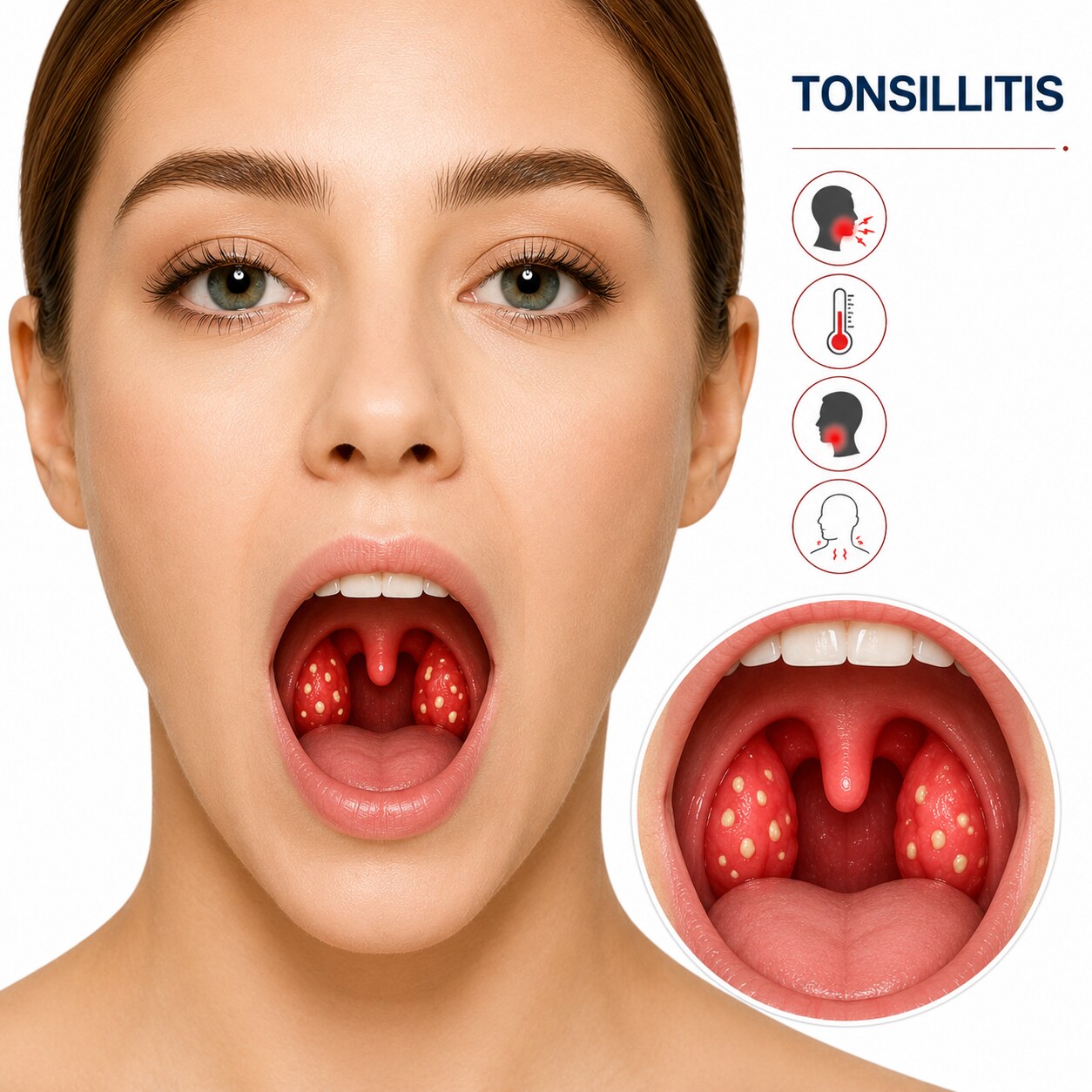
Tonsillitis
Recurring throat infections, painful swallowing — modern coblation tonsillectomy.
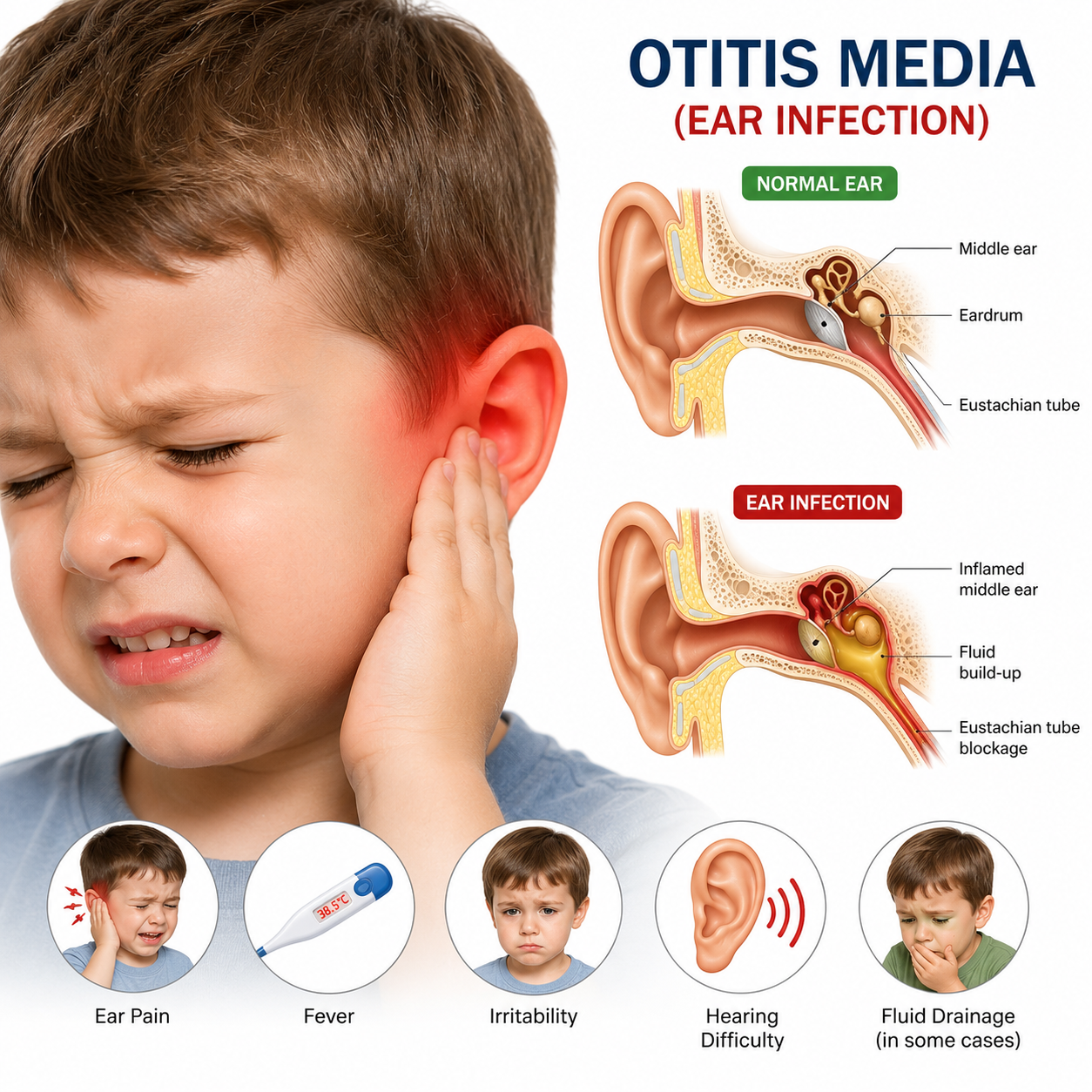
Otitis Media (Ear Infection)
Ear pain, discharge and hearing loss in children and adults.

Vertigo & Dizziness
Spinning sensation and balance issues — diagnosis and BPPV treatment.

Answers about Hearing Loss
Common questions about Hearing Loss — diagnosis, treatment and recovery at Sanjeevi Hospital, Sangareddy.