
Hoarseness & Voice Disorders
Persistent hoarseness, vocal cord nodules and voice therapy.
⭐ Best ENT Hospital in Sangareddy — see full ENT page →
Overview
Hoarseness is an abnormal change in your voice that makes it sound raspy, strained, or breathy. In India, voice disorders are increasingly common due to high pollution levels, frequent throat infections, and the rise of professional voice users like teachers, singers, and call-center employees who strain their vocal cords daily. While common causes include a simple cold or acid reflux, persistent hoarseness can sometimes signal more serious underlying conditions like vocal cord nodules or even early-stage laryngeal issues. At Sanjeevi Hospital in Sangareddy, we understand that your voice is your primary tool for communication and identity. Neglecting voice changes can lead to permanent damage or chronic discomfort. Understanding the mechanics of your vocal folds and how lifestyle factors like diet and hydration affect them is the first step toward recovery. Our ENT department focuses on restoring your natural voice through a combination of lifestyle adjustments, medication, and advanced therapies tailored to the Indian population.
Symptoms to watch for
- A raspy or gravelly sound to your voice that persists for more than two weeks.
- Constant need to clear your throat or a feeling of a lump in the throat.
- Voice sounding breathy or unusually weak during normal conversation.
- Difficulty hitting high notes while speaking or singing.
- Physical pain or a raw sensation in the throat when talking.
- Changes in the pitch of your voice, making it sound deeper or higher than usual.
- Voice fatigue where your voice gets tired or disappears by the end of the day.
- Loss of voice (aphonia) where you can only speak in a whisper.
- Occasional choking or coughing while swallowing liquids or food.
Causes & risk factors
- Viral infections like the common cold or flu causing acute laryngitis.
- Laryngopharyngeal Reflux (LPR) where stomach acid travels up to the throat.
- Vocal misuse or overusing the voice by shouting, screaming, or talking loudly for too long.
- Vocal cord nodules, polyps, or cysts which are non-cancerous growths from friction.
- Prolonged exposure to irritants like tobacco smoke, dust, and industrial chemical fumes.
- Allergies to pollen or dust mites leading to chronic throat inflammation.
- Neurological conditions that affect the nerves controlling the vocal folds.
- Natural aging process causing the vocal muscles to lose tension and strength.
Diagnosis
- Detailed medical history and vocal hygiene assessment with our ENT specialist.
- Physical examination of the neck to check for lumps or enlarged lymph nodes.
- Video Laryngoscopy where a thin, flexible tube with a camera views the vocal cords.
- Stroboscopy to observe the vibration and movement of vocal folds in slow motion.
- Acoustic analysis using software to measure voice frequency and quality.
- Biopsy of any suspicious growths if initial treatments do not show improvement.
- Assessment of swallowing function to rule out related digestive or nerve issues.
Treatment options
Complete Vocal Rest
Limiting talking and whispering for a specific period to allow the inflamed vocal folds to heal naturally without further friction.
Professional Voice Therapy
Guided exercises with a speech-language pathologist to improve breathing techniques and reduce strain on the vocal muscles.
Anti-Reflux Management
Treating underlying acidity and GERD using medications and dietary changes to prevent stomach acid from irritating the throat.
Hydration and Steam Inhalation
Using gentle steam and increasing water intake to thin mucus and lubricate the vocal cords for smoother vibration.
Microlaryngeal Surgery
A minimally invasive procedure using a microscope and specialized tools to remove nodules or polyps with high precision.
Management of Allergies
Prescribing medications to control allergic reactions and post-nasal drip that often lead to chronic throat clearing and hoarseness.
Botox Injections for Spasmodic Dysphonia
Targeted injections to relax hyperactive vocal muscles for patients suffering from neurological voice spasms.
Laser Therapy
Using advanced laser technology to treat vascular lesions or small growths on the vocal cords with minimal bleeding and faster recovery.
When to see a doctor
It is gentle to remember that while a raspy voice might seem minor, your throat deserves care. Please consult our specialists if your hoarseness lasts more than two to three weeks without improvement. Seek immediate medical attention if you experience difficulty breathing, a visible lump in your neck, severe pain when swallowing, or if you completely lose your voice suddenly. Early intervention is the kindest thing you can do for your vocal health, ensuring a quicker return to your normal self.
Prevention & self-care
- Keep yourself well-hydrated by drinking at least 8-10 glasses of water daily.
- Avoid shouting, screaming, or whispering loudly as these strain the vocal folds.
- Limit caffeine and spicy foods, especially before bedtime, to reduce acid reflux.
- Use a humidifier in dry environments or practice gentle steam inhalation.
- Avoid smoking and exposure to second-hand smoke which dries out the throat lining.
- Rest your voice periodically during the day, especially if your job involves constant talking.
- Practice good hand hygiene to prevent viral infections that cause laryngitis.
- Warm up your voice with gentle humming before any prolonged speaking or singing.
Related conditions

Sinusitis
Chronic sinus inflammation, blocked nose, facial pain — relief through medication and FESS.
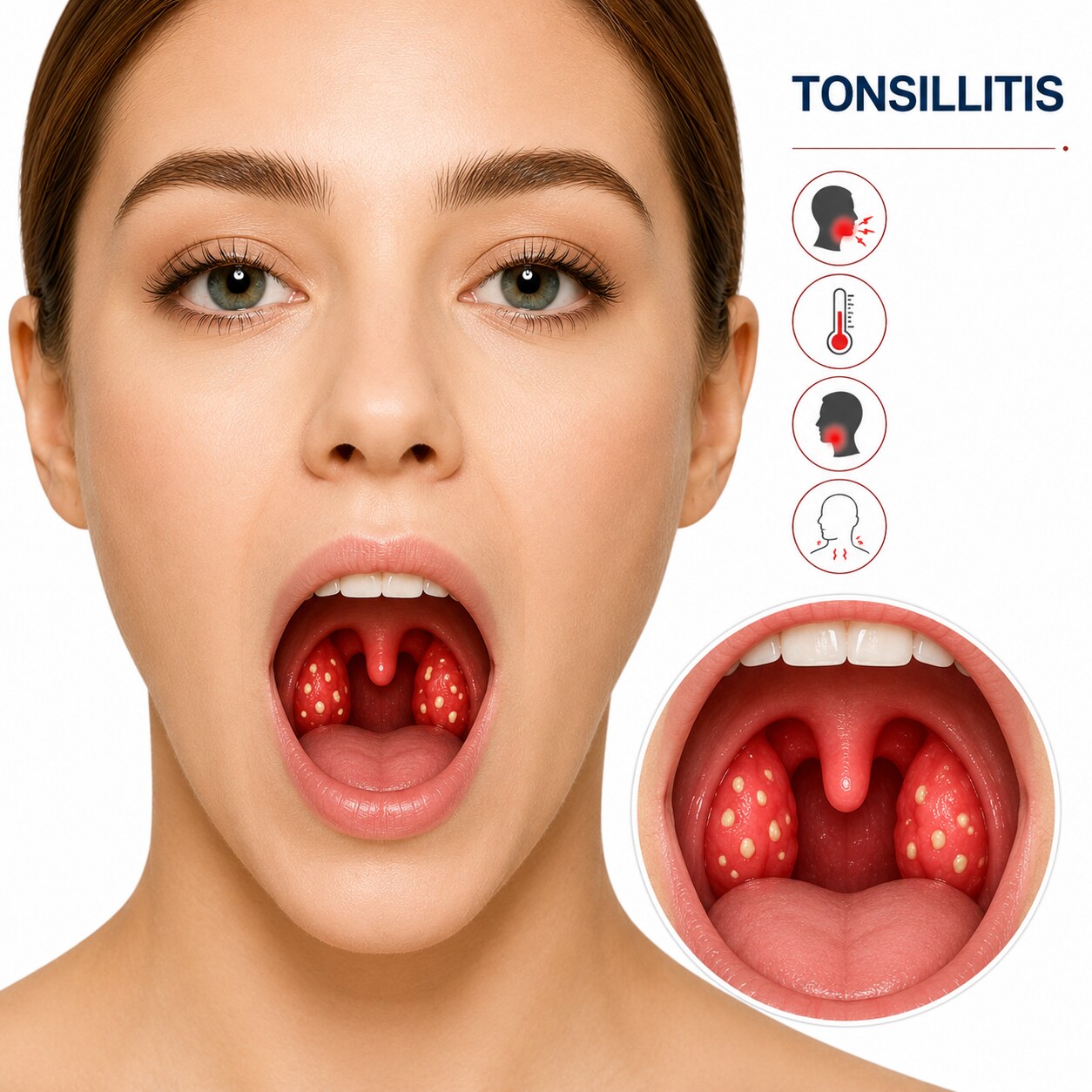
Tonsillitis
Recurring throat infections, painful swallowing — modern coblation tonsillectomy.
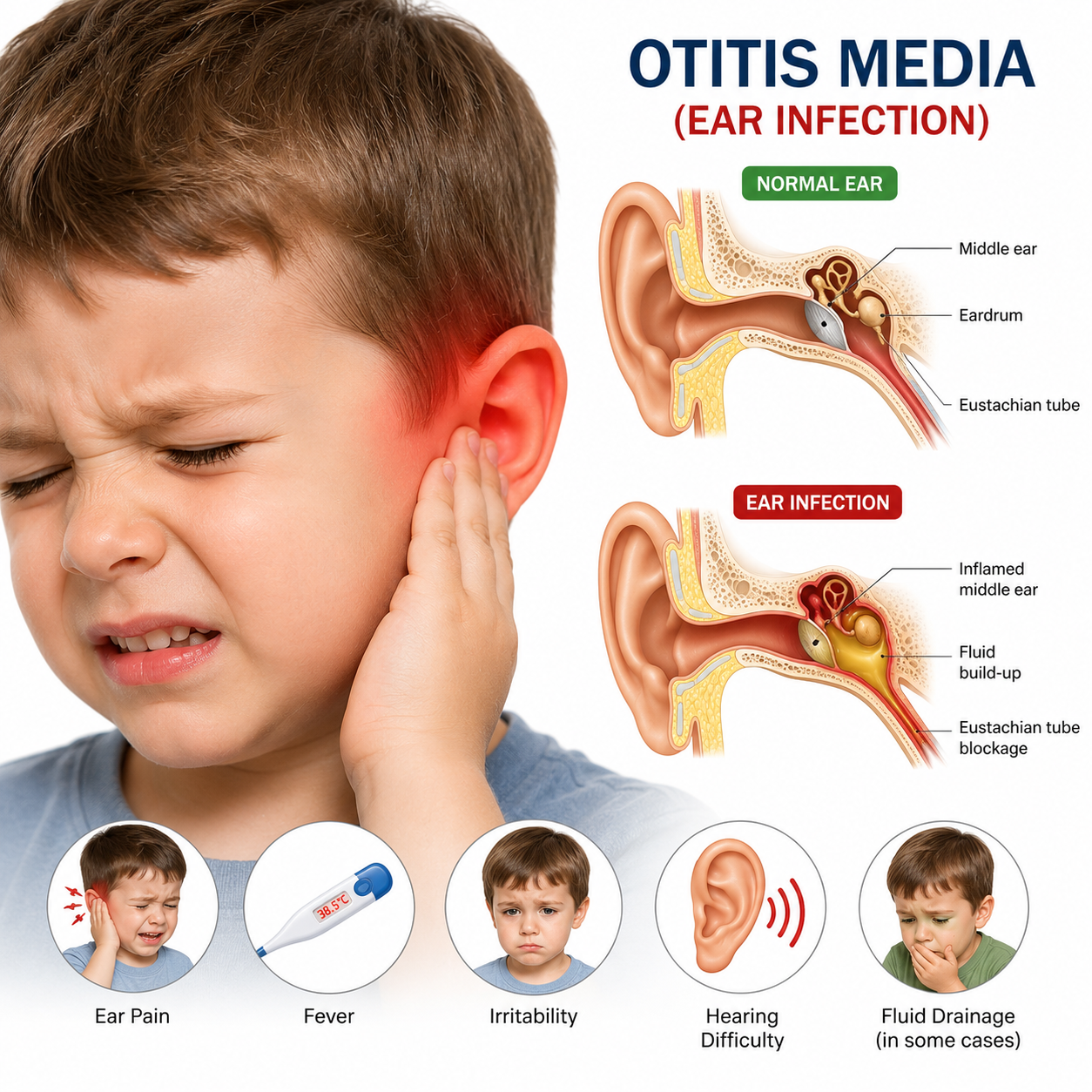
Otitis Media (Ear Infection)
Ear pain, discharge and hearing loss in children and adults.

Hearing Loss
Audiometry evaluation, hearing aid guidance and surgical options.

Answers about Hoarseness & Voice Disorders
Common questions about Hoarseness & Voice Disorders — diagnosis, treatment and recovery at Sanjeevi Hospital, Sangareddy.