
Anemia
Causes of low hemoglobin and the right treatment for each type.
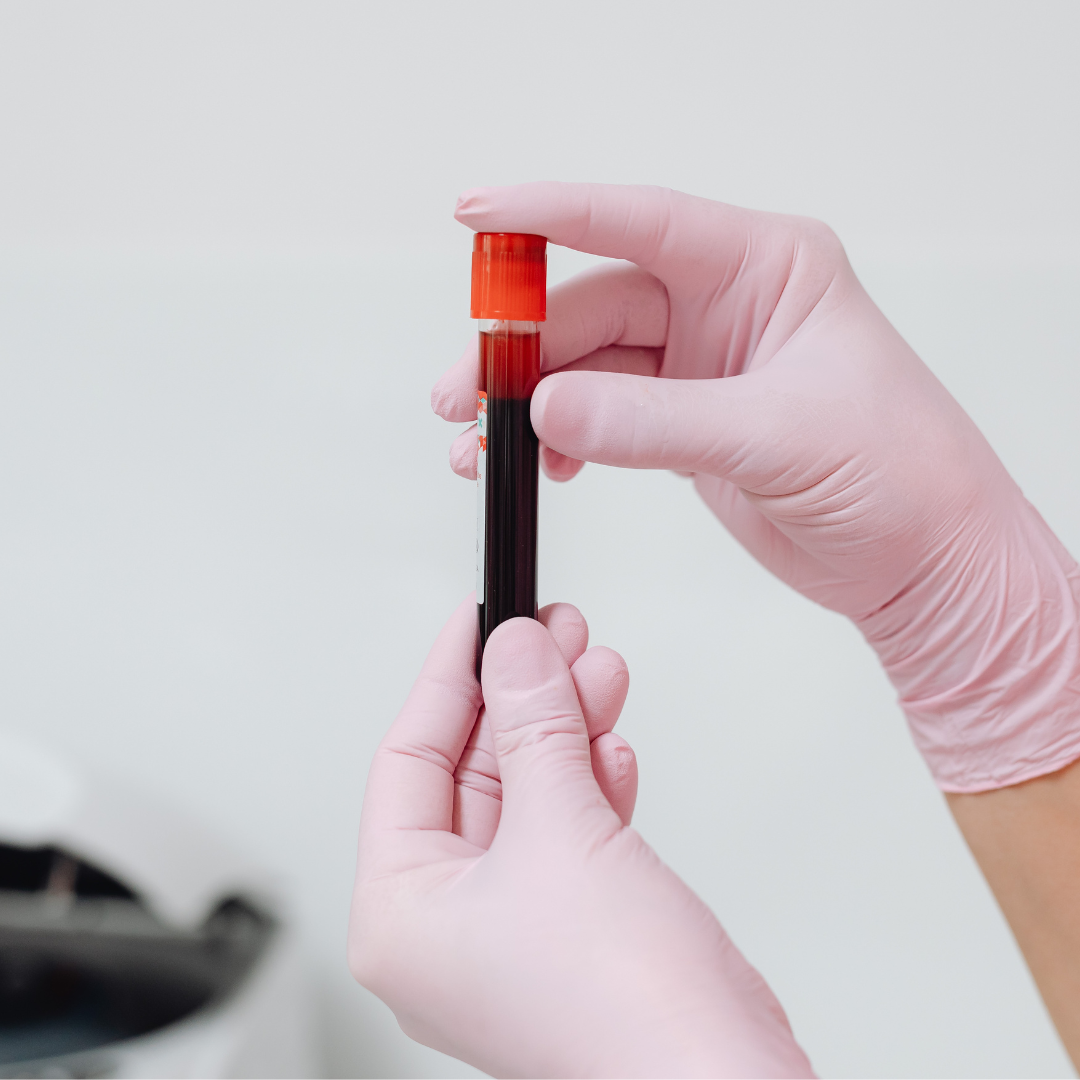
Overview
Anemia is a common blood condition where your body lacks enough healthy red blood cells to carry adequate oxygen to your tissues. When your hemoglobin levels drop, you may feel constantly tired or weak. In India, anemia is exceptionally prevalent, affecting more than half of women and a large percentage of children and men due to nutritional gaps, specific lifestyle habits, and underlying health factors. While many people think it is just a minor fatigue issue, untreated anemia can strain your heart and lungs over time. At Sanjeevi Hospital in Sangareddy, our General Medicine and Diabetology department focuses on identifying the specific type of anemia you have—whether it is due to iron deficiency, vitamin B12 lack, or other medical conditions—to provide a personalized recovery plan tailored to the Indian context and diet.
Symptoms to watch for
- Unusual or extreme tiredness that does not go away with rest
- Shortness of breath, even after climbing a few stairs
- Pale or yellowish skin, noticeable in the face or fingernails
- Frequent dizziness, lightheadedness, or feeling faint
- Cold hands and feet, even in warm Sangareddy weather
- Headaches that seem to occur without a clear reason
- Irritability or difficulty concentrating on daily tasks
- Brittle nails or a sore, inflamed tongue
- Chest pain or rapid, irregular heartbeats during activity
Causes & risk factors
- Lack of iron-rich foods like green leafy vegetables and lentils in the daily diet
- Chronic blood loss from underlying issues like stomach ulcers or heavy menstrual cycles
- Vitamin B12 and Folate deficiencies, often seen in strictly vegetarian diets without supplementation
- Pregnancy, as the body needs more iron to support the growing baby
- Chronic diseases such as kidney problems, diabetes, or rheumatoid arthritis
- Genetic conditions like Thalassemia or Sickle Cell Anemia, which are found in certain Indian communities
- Infections or worm infestations that lead to poor nutrient absorption in the gut
- Bone marrow disorders that prevent the production of new red blood cells
Diagnosis
- Complete Blood Count (CBC) to check your exact hemoglobin and red cell levels
- Peripheral Smear test to look at the shape and size of your blood cells under a microscope
- Serum Ferritin and Iron studies to measure the iron stores in your body
- Vitamin B12 and Folic Acid level checks to identify nutritional gaps
- Stool tests to check for microscopic blood loss or parasitic infections
- Reticulocyte count to evaluate how well your bone marrow is producing new cells
- Specialized tests like hemoglobin electrophoresis if a genetic condition is suspected
Treatment options
Oral Iron Supplementation
Prescribing iron tablets or syrups to replenish the body's iron stores and boost hemoglobin production over several months.
Vitamin B12 and Folate Therapy
Providing oral supplements or injections for those whose anemia is caused by a lack of these essential vitamins for blood formation.
Dietary Intervention and Counseling
Working with our nutritionists to include iron-rich Indian foods like spinach, jaggery, pomegranate, and sprouted legumes in your meals.
Intravenous (IV) Iron Infusion
A faster method of delivering iron directly into the bloodstream for patients who cannot tolerate oral tablets or need rapid improvement.
Management of Underlying Conditions
Treating the root cause, such as managing stomach ulcers, piles, or controlling heavy menstrual bleeding to stop ongoing blood loss.
Erythropoietin Therapy
Medications that stimulate the bone marrow to produce more red blood cells, often used for patients with chronic kidney disease.
Blood Transfusion
A life-saving procedure reserved for severe anemia cases where hemoglobin levels are dangerously low and causing heart strain.
Deworming Treatments
Simple medications to clear intestinal parasites that may be consuming your nutrients, especially important for children and young adults.
When to see a doctor
Please do not ignore persistent fatigue. If you feel sudden chest pain, extreme breathlessness during light movement, or if you feel like you might faint, it is important to visit our emergency department immediately. You should also consult our specialists if you notice a very pale appearance or if your pulse feels unusually fast. At Sanjeevi Hospital, we provide a warm and reassuring environment to help you find the cause of your weakness and start the right path to recovery.
Prevention & self-care
- Eat a balanced diet including drumstick leaves, dates, and black raisins
- Include Vitamin C rich foods like lemons and amla to help your body absorb iron better
- Avoid drinking tea or coffee immediately after meals as they block iron absorption
- Use iron cookware for traditional Indian cooking to naturally increase iron intake
- Get regular health check-ups, especially for pregnant women and growing children
- Ensure safe drinking water and hygiene to prevent worm-related infections
- Speak to a doctor before starting any supplements to ensure you take what your body needs
- Manage chronic health conditions like diabetes with regular follow-ups at our clinic
Related conditions
Type 2 Diabetes
Lifestyle, oral medicines and insulin — long-term sugar control and complications prevention.
High Blood Pressure (Hypertension)
Diagnosis, monitoring and medication for lasting BP control.
Thyroid Disorders
Hypothyroidism, hyperthyroidism and goiter — investigation and treatment.
Asthma & COPD
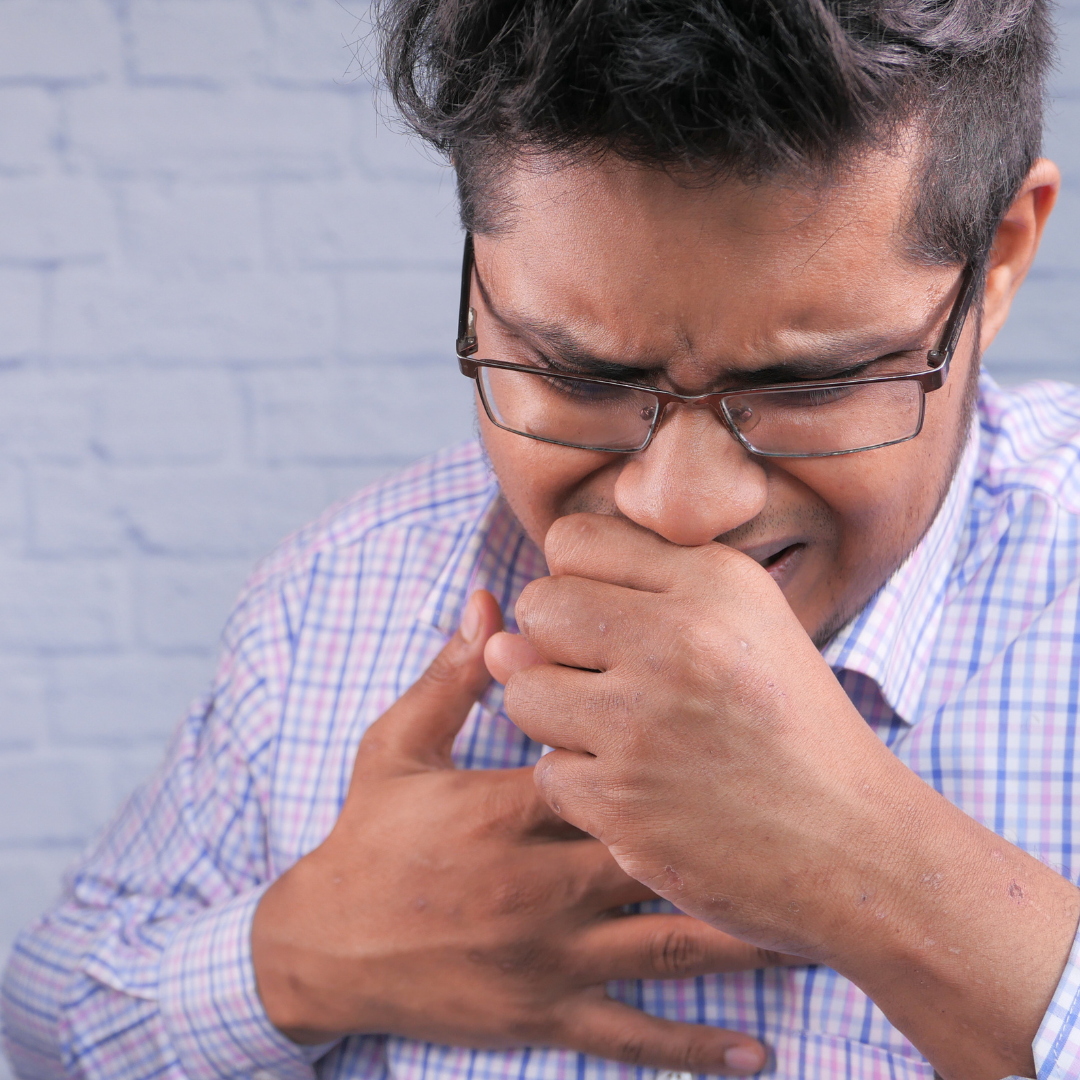
Inhaler-based care for wheezing, breathlessness and smoker's lung.
Answers about Anemia
Common questions about Anemia — diagnosis, treatment and recovery at Sanjeevi Hospital, Sangareddy.