
Dengue & Viral Fevers
Dengue, typhoid, malaria — accurate diagnosis and supportive care.
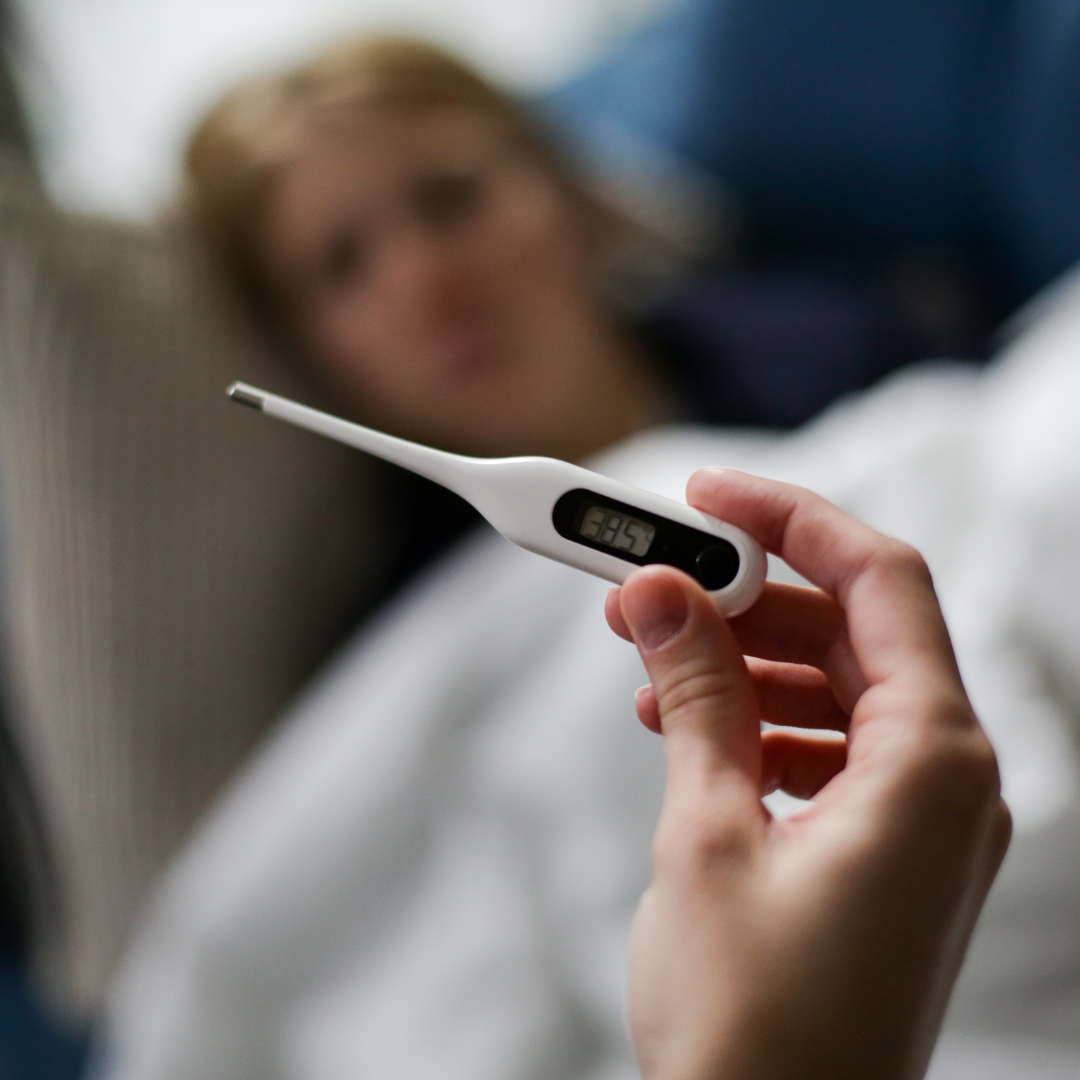
Overview
Viral fevers, including Dengue and Typhoid, are very common in India, especially during the monsoon and post-monsoon seasons when mosquito breeding increases. In regions like Sangareddy, these fevers can range from mild exhaustion to severe conditions affecting blood platelets and internal organs. Dengue is caused by the Aedes mosquito, while other viral fevers often spread through contaminated water or air. Managing these conditions is vital because delayed treatment can lead to complications like dehydration, sudden drop in blood counts, or organ stress. At Sanjeevi Hospital, we focus on early detection through precise blood tests and provide supportive care to help your body fight the infection naturally. Understanding that a fever is your body's way of fighting germs is the first step, but professional medical monitoring ensures that this fight remains safe and leads to a full recovery without long-term weakness.
Symptoms to watch for
- High-grade fever that may come and go throughout the day
- Severe headache, often focusing behind the eyes
- Persistent muscle and joint pain, often called 'breakbone fever'
- Extreme fatigue and a general feeling of weakness
- Nausea, vomiting, or a complete loss of appetite
- Small red skin rashes or spots appearing on the arms and legs
- Mild bleeding from the nose or gums in some cases
- Pain in the abdomen or bloating discomfort
- Dehydration symptoms like dry mouth and reduced urination
Causes & risk factors
- Bites from infected Aedes aegypti mosquitoes (Dengue)
- Bites from infected Anopheles mosquitoes (Malaria)
- Consuming contaminated food or water (Typhoid and some Enteric fevers)
- Inhaling droplets from an infected person's cough or sneeze
- Seasonal changes leading to weakened immunity and viral spread
- Stagnant water near homes providing breeding grounds for insects
- Poor hand hygiene and lack of sanitation in crowded areas
- Close contact with individuals suffering from seasonal flu or viral infections
Diagnosis
- Complete Blood Count (CBC) to check platelet levels and white blood cells
- Dengue NS1 Antigen test for early detection of the virus
- Dengue IgM and IgG antibody tests for later stages of infection
- Widal test or Typhidot to check for Typhoid bacteria
- Malaria Parasite (MP) smear or rapid diagnostic tests
- Liver Function Tests (LFT) to monitor organ health during high fever
- Urine routine examination to rule out urinary tract infections
Treatment options
Hydration Therapy
Increasing fluid intake through ORS, coconut water, and juices to prevent dehydration caused by high fever and sweating.
Fever Management
Using safe, doctor-prescribed medication to control body temperature and reduce physical discomfort throughout the day.
Platelet Monitoring
Daily or twice-daily blood checks to ensure platelet counts remain in a safe range, especially critical for Dengue patients.
Nutritional Support
A customized diet plan focusing on easy-to-digest foods like khichdi, porridge, and boiled vegetables to maintain energy.
Intravenous (IV) Fluids
In cases of severe vomiting or inability to drink, we provide fluids directly into the bloodstream to maintain electrolyte balance.
Pain Management
Careful use of medications that relieve body aches without affecting the blood's ability to clot, ensuring patient safety.
Rest and Recovery Protocol
Supervised bed rest in a comfortable environment to allow the immune system to focus entirely on neutralizing the viral load.
Blood Component Therapy
In rare, severe cases of Dengue, we are prepared to manage platelet or blood transfusions under expert supervision.
When to see a doctor
Please do not ignore a fever that lasts more than 48 hours or is accompanied by severe symptoms. Seek immediate help at Sanjeevi Hospital if you notice red flags like persistent vomiting, severe belly pain, bleeding from gums, or a sudden drop in urine output. If the patient feels unusually sleepy, confused, or has difficulty breathing, it is an emergency. We are here to provide gentle, expert care to ensure these symptoms are managed before they become serious. Your safety and comfort are our primary concerns during this stressful time.
Prevention & self-care
- Use mosquito nets or repellents even during the daytime
- Wear long-sleeved clothing and trousers to minimize exposed skin
- Empty and clean water containers, flower pots, and coolers weekly
- Drink only filtered or boiled water to avoid water-borne viruses
- Wash hands thoroughly before meals and after using the washroom
- Avoid eating raw or uncovered street food during the rainy season
- Keep your surroundings clean and ensure no water stagnates near your house
- Boost your immunity with a balanced diet rich in Vitamin C and proteins
Related conditions
Type 2 Diabetes
Lifestyle, oral medicines and insulin — long-term sugar control and complications prevention.
High Blood Pressure (Hypertension)
Diagnosis, monitoring and medication for lasting BP control.
Thyroid Disorders
Hypothyroidism, hyperthyroidism and goiter — investigation and treatment.
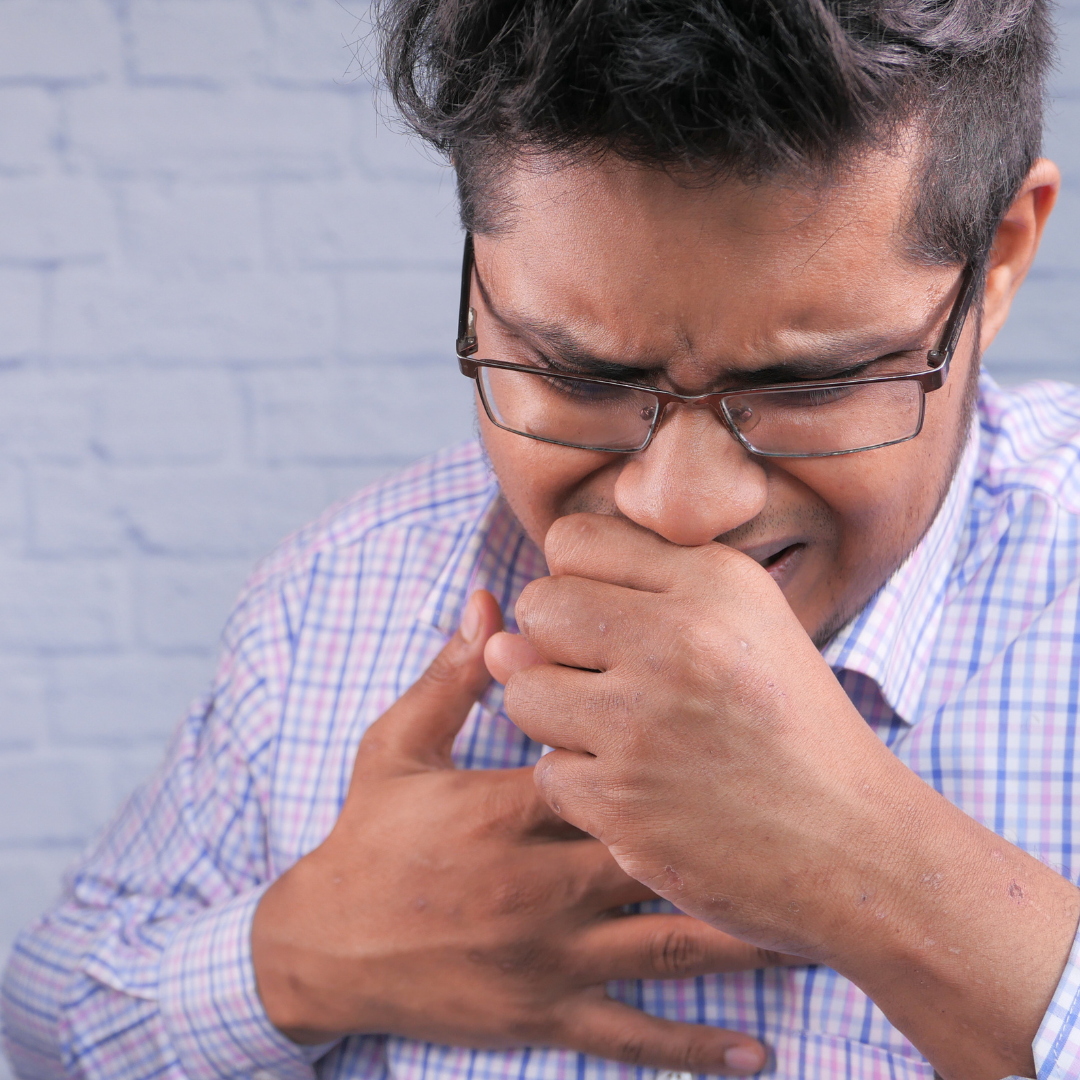
Asthma & COPD
Inhaler-based care for wheezing, breathlessness and smoker's lung.
Answers about Dengue & Viral Fevers
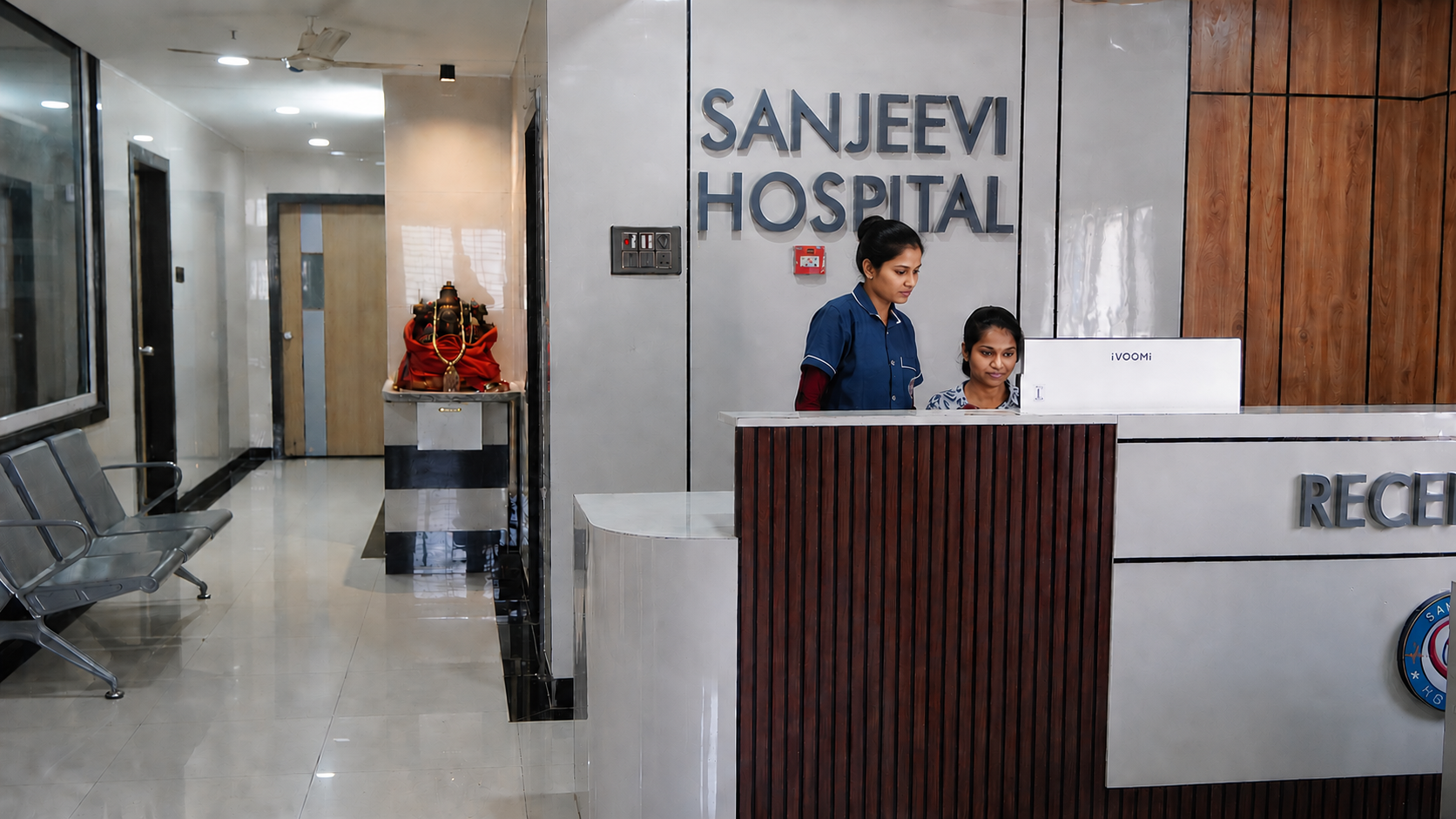
Common questions about Dengue & Viral Fevers — diagnosis, treatment and recovery at Sanjeevi Hospital, Sangareddy.