
High Cholesterol
Lipid panel review, lifestyle and statins to prevent heart disease.
Overview
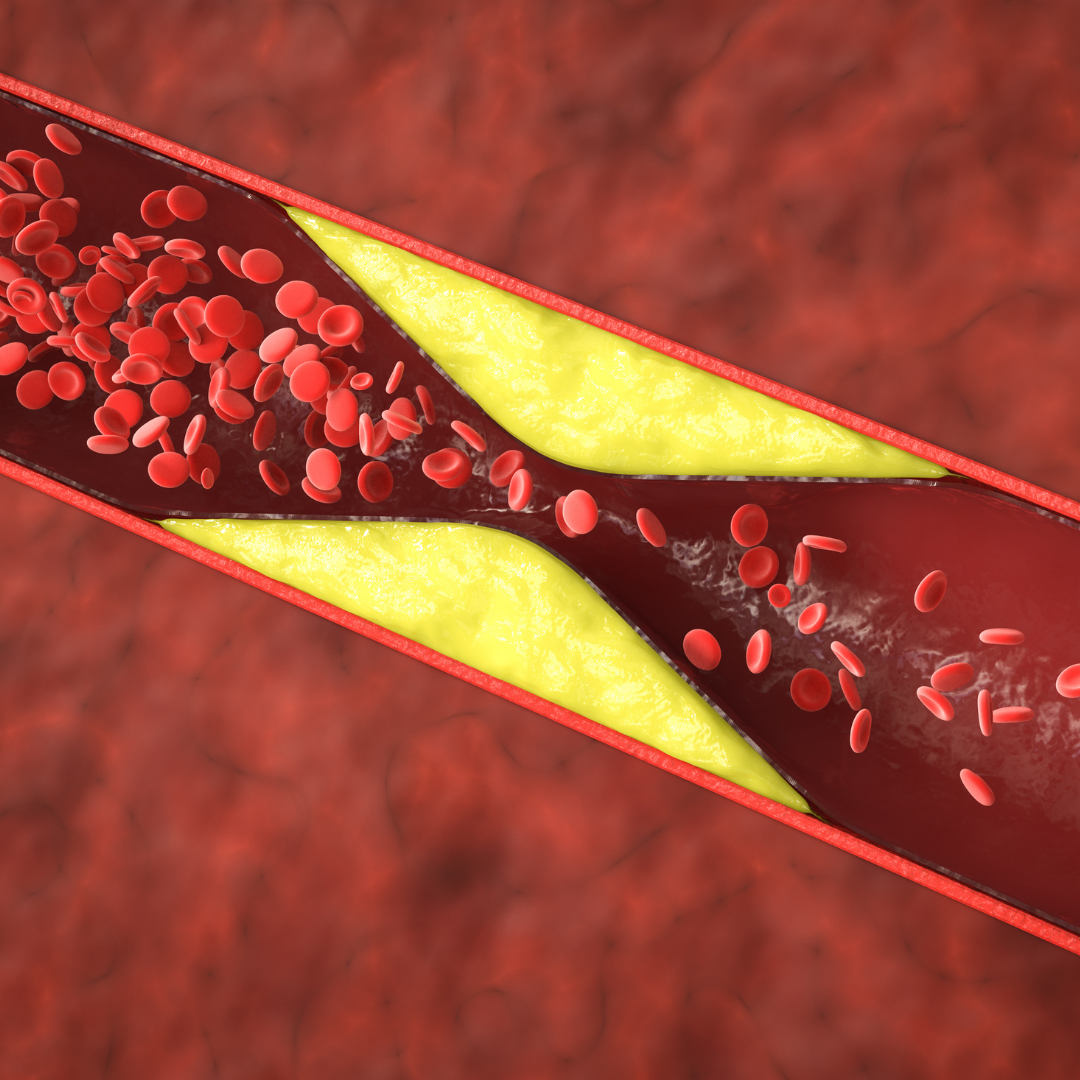
High cholesterol, or hyperlipidemia, occurs when there is an excess of waxy, fat-like substances in your blood. In India, changing dietary habits and sedentary lifestyles have made this a common concern, even among younger adults. While your body needs some cholesterol to build healthy cells, high levels can lead to fatty deposits in your blood vessels. Over time, these deposits grow, making it difficult for enough blood to flow through your arteries. Sometimes, those deposits can break suddenly and form a clot that causes a heart attack or stroke. At Sanjeevi Hospital in Sangareddy, we emphasize early detection because high cholesterol typically has no warning signs. By managing your lipid profile through a combination of traditional Indian dietary wisdom and modern medical science, we help you reduce the risk of cardiovascular diseases and ensure a healthier, more active life for you and your family.
Symptoms to watch for
- Most cases have no clear symptoms until a major event occurs
- Occasional chest pain or pressure known as angina
- Feeling easily fatigued during light physical activities
- Shortness of breath especially after climbing stairs
- Dizziness or lightheadedness when standing up quickly
- Yellowish growths on the eyelids called xanthelasmas
- Cramping in the calves or legs while walking distances
- A pale white ring appearing around the cornea of the eye
- Occasional palpitations or an awareness of your heartbeat
Causes & risk factors
- Diets high in saturated fats from deep-fried snacks and sweets
- Excessive consumption of full-fat dairy products like ghee and butter
- Lack of regular physical activity or a sedentary desk job
- Genetic factors or a family history of heart disease
- Underlying conditions like Type 2 Diabetes or Hypothyroidism
- Chronic stress leading to poor sleep and hormonal imbalances
- Habitual smoking which damages the walls of the blood vessels
- Excess body weight particularly concentrated around the waist
Diagnosis
- Lipid Profile Test to measure LDL, HDL, and Triglycerides
- Fasting blood sugar test to screen for associated diabetes
- Physical examination including Blood Pressure monitoring
- Body Mass Index (BMI) and waist-to-hip ratio assessment
- Review of family medical history and lifestyle habits
- Electrocardiogram (ECG) if any heart strain is suspected
- Liver function tests before starting certain medications
Treatment options
Statin Therapy
The most common medication used to help the liver produce less cholesterol and help the body reabsorb existing deposits from artery walls.
Bile Acid Sequestrants
These medications bind to bile acids in your intestine, forcing the body to use up excess cholesterol to make more bile.
Cholesterol Absorption Inhibitors
A specific class of medicine that limits the amount of cholesterol your body absorbs from the food you eat.
Fibrates and Omega-3 Supplements
These are primarily used to target high triglycerides and help improve the levels of 'good' HDL cholesterol.
Medical Nutrition Therapy
Our dieticians create personalized meal plans focusing on high-fiber Indian foods like oats, sprouts, and leafy greens while limiting oily items.
Structured Exercise Programs
Guidance on safe cardiovascular activities like brisk walking or cycling to naturally boost heart efficiency and lipid metabolism.
PCSK9 Inhibitors
An advanced injectable treatment for patients with genetic high cholesterol who do not respond to standard oral medications.
Diabetes and Co-morbidity Management
Controlling blood sugar and thyroid levels to ensure they are not contributing to an abnormal lipid profile.
When to see a doctor
Since high cholesterol is often a 'silent' condition, you should not wait for symptoms like chest pain or extreme breathlessness. If you have a family history of heart disease, are over the age of 25, or struggle with weight management, it is time for a check-up. Please visit us if you feel unusual fatigue, experience dull aches in your legs while walking, or simply haven't had a blood test in over a year. Early intervention is the kindest thing you can do for your heart.
Prevention & self-care
- Switch from butter or vanaspati to healthier oils like rice bran or sunflower oil in moderation
- Include at least five servings of fruits and varied vegetables in your daily diet
- Engage in 30 minutes of brisk walking at least five days a week
- Quit smoking and limit alcohol consumption to protect your arterial health
- Choose lean proteins such as dals, pulses, and skinless chicken over red meats
- Practise portion control especially with high-carb foods like white rice and refined flour
- Manage stress through yoga, meditation, or spending time with loved ones
- Check your cholesterol levels annually once you reach adulthood
Related conditions
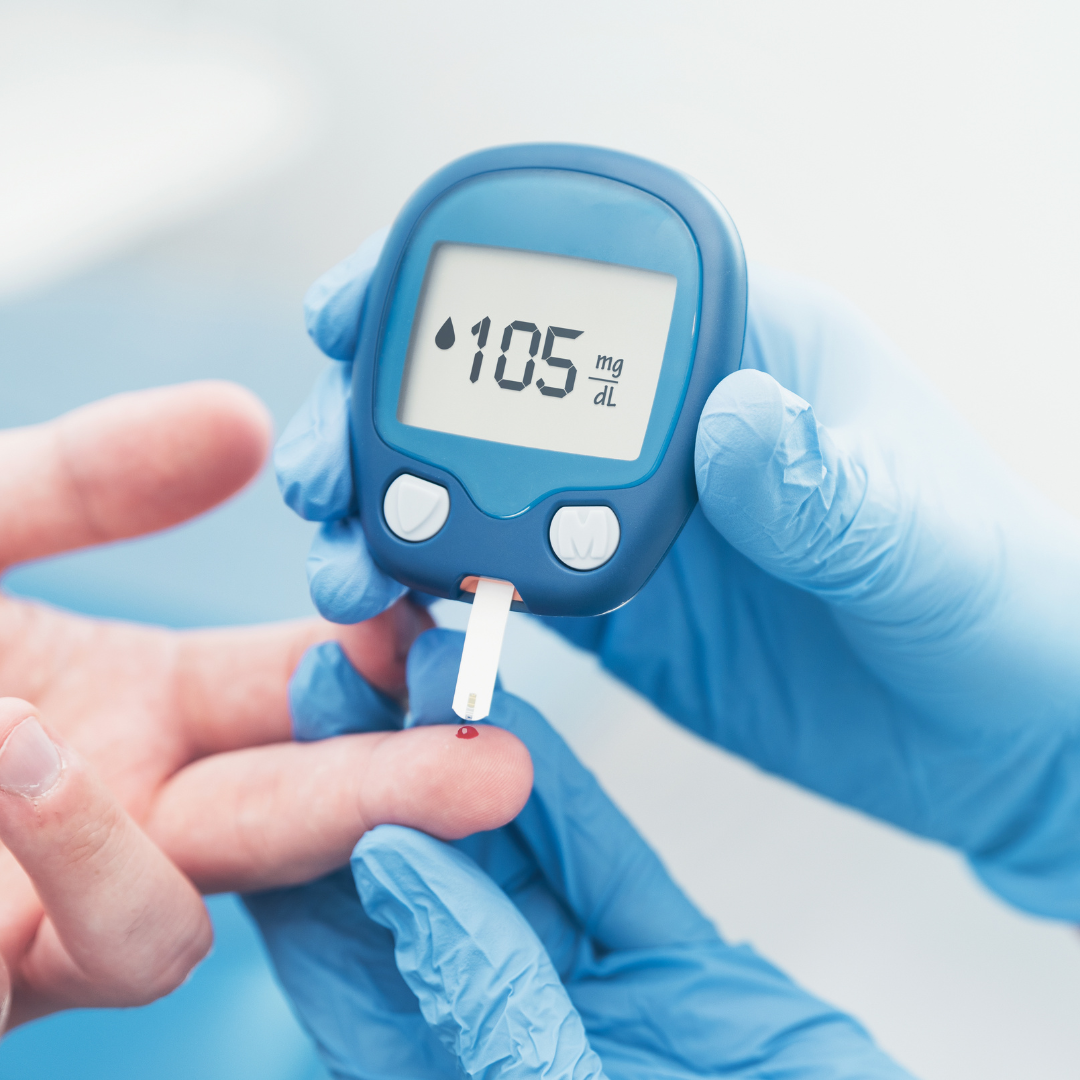
Type 2 Diabetes
Lifestyle, oral medicines and insulin — long-term sugar control and complications prevention.
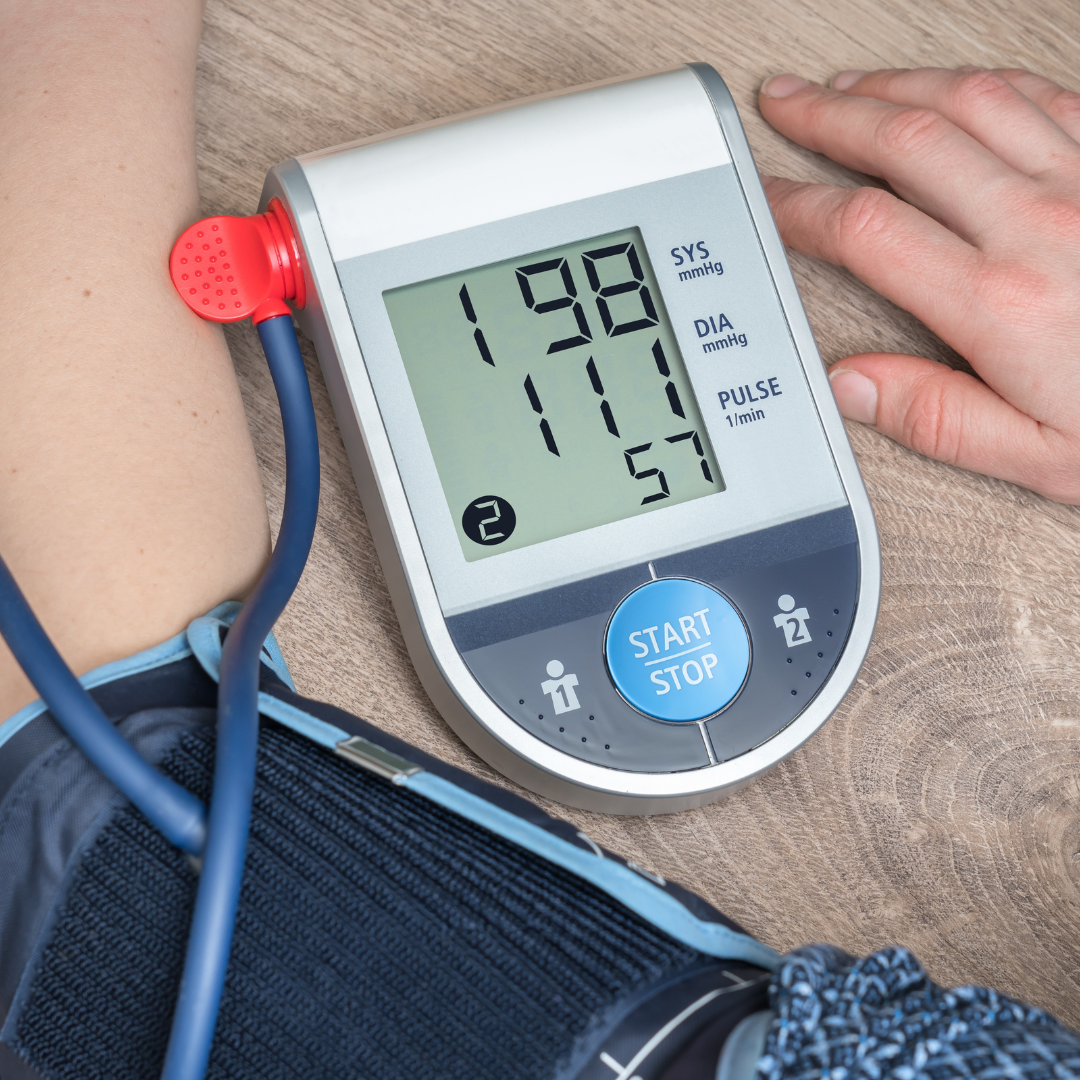
High Blood Pressure (Hypertension)
Diagnosis, monitoring and medication for lasting BP control.
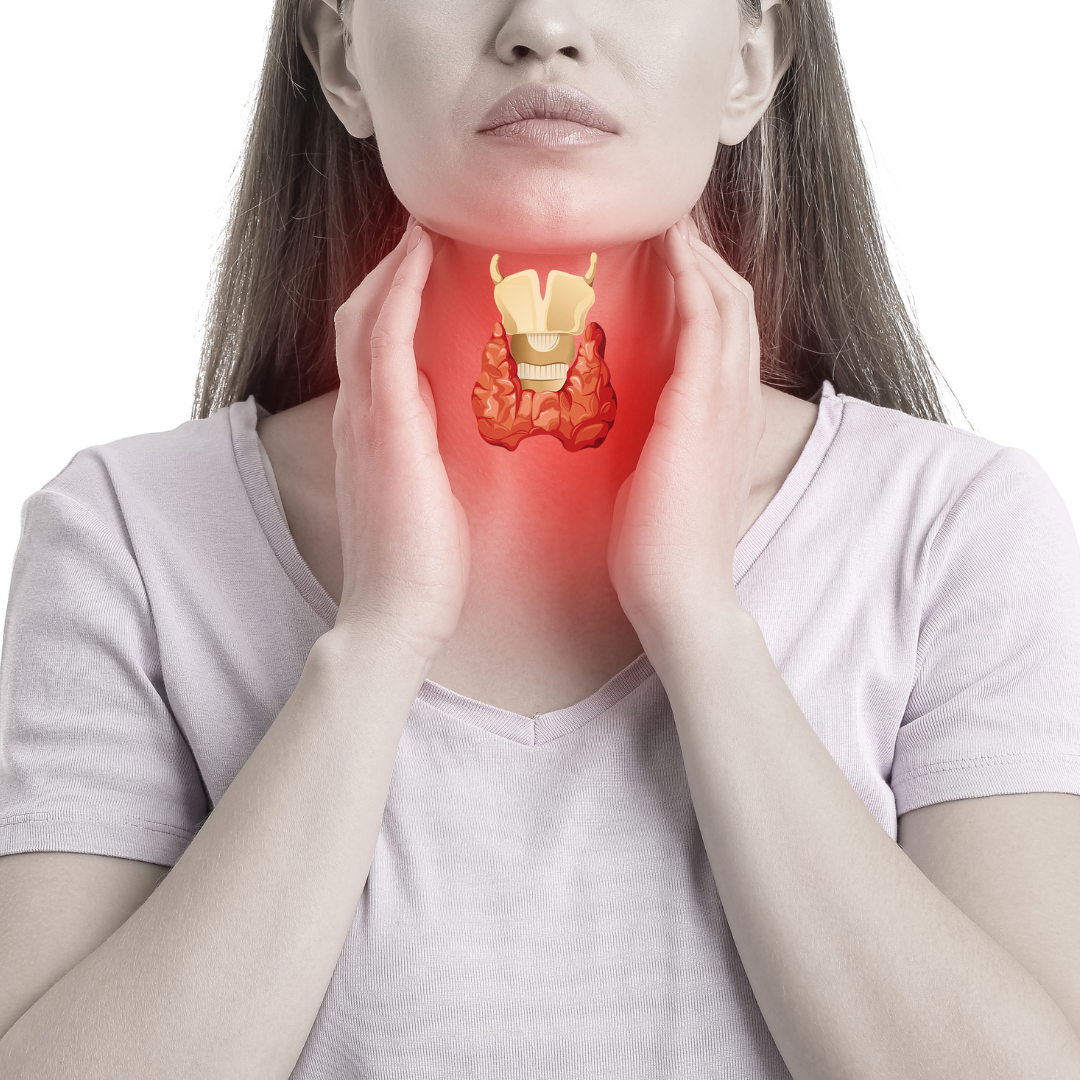
Thyroid Disorders
Hypothyroidism, hyperthyroidism and goiter — investigation and treatment.
Asthma & COPD
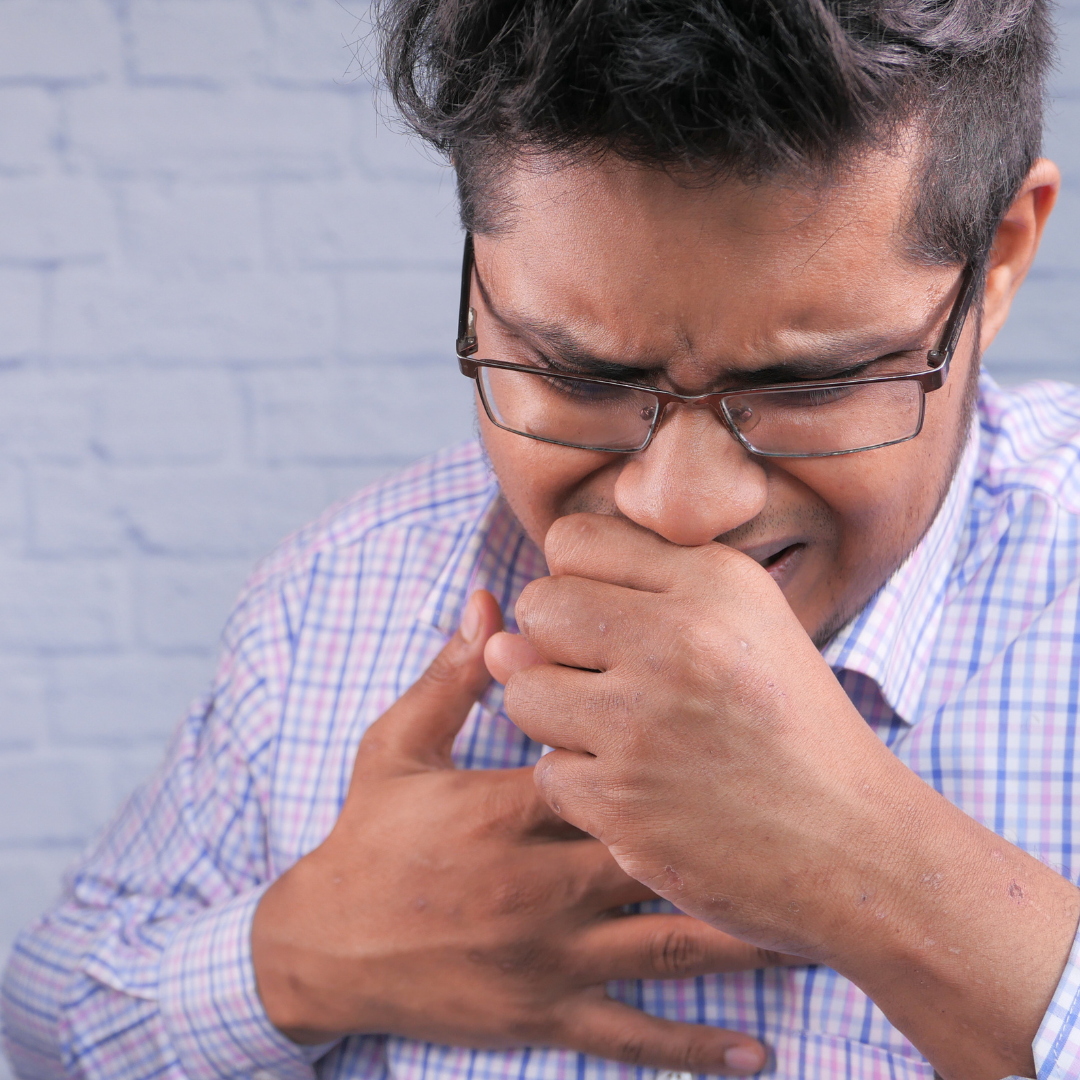
Inhaler-based care for wheezing, breathlessness and smoker's lung.
Answers about High Cholesterol
Common questions about High Cholesterol — diagnosis, treatment and recovery at Sanjeevi Hospital, Sangareddy.