
High Blood Pressure (Hypertension)
Diagnosis, monitoring and medication for lasting BP control.
Overview
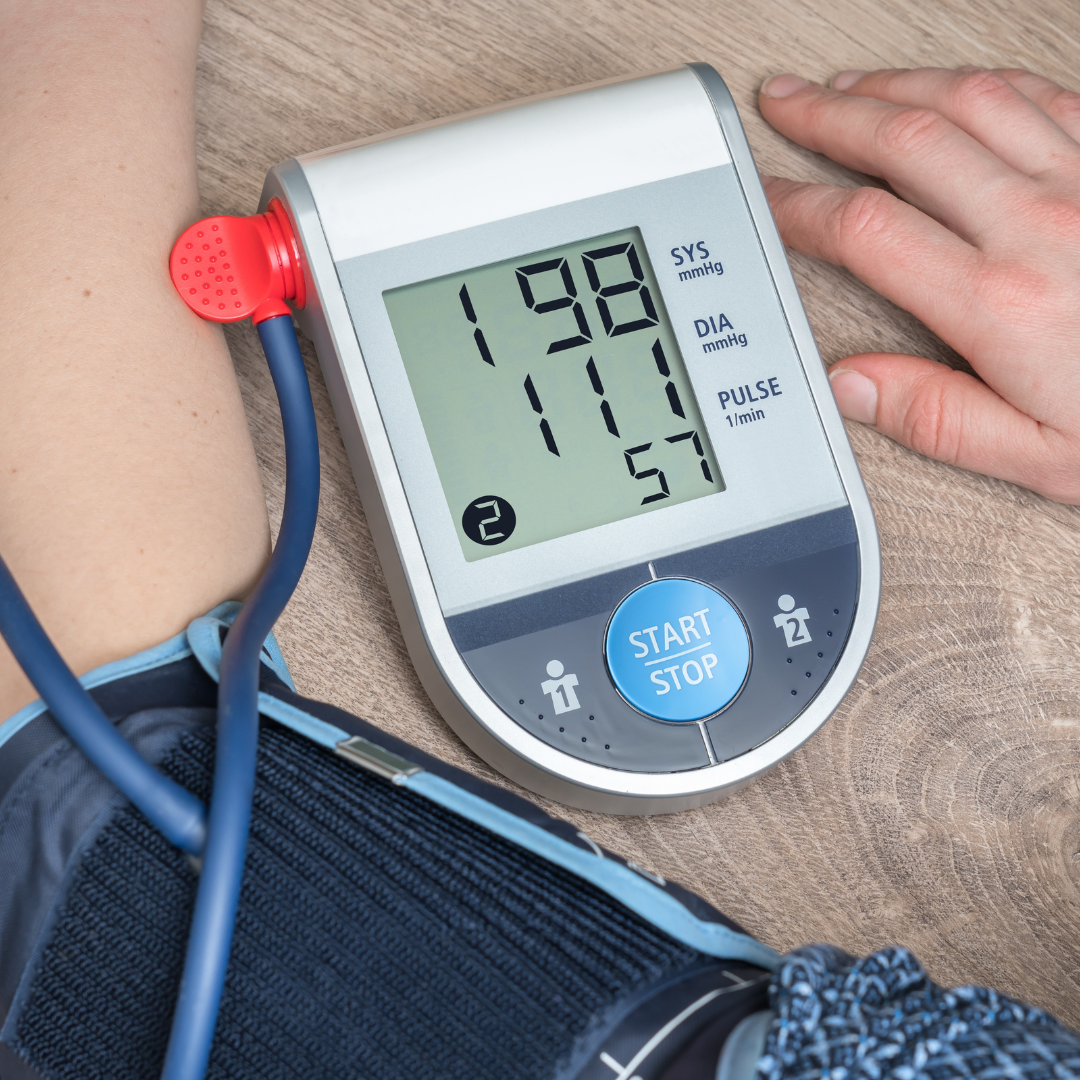
High Blood Pressure, or Hypertension, occurs when the force of blood against your artery walls is consistently too high. In India, nearly one in four adults suffers from this condition, often without even realizing it. Because it rarely shows obvious external signs in the early stages, it is frequently called the 'silent killer.' If left unmanaged, hypertension can lead to serious complications such as heart attacks, strokes, and kidney damage. At Sanjeevi Hospital in Sangareddy, we understand that Indian lifestyles, often rich in salt and spices alongside rising stress levels, contribute significantly to these numbers. Managing your blood pressure is not just about taking a pill; it is about protecting your vital organs and ensuring a long, healthy life for your family. Our General Medicine and Diabetology department focuses on early detection and personalized care plans that fit your daily routine, helping you maintain a healthy heart through every stage of life.
Symptoms to watch for
- Frequent, dull headaches, especially during the early morning hours.
- Occasional dizzy spells or a feeling of lightheadedness.
- Noticeable shortness of breath during routine daily activities.
- Occasional nosebleeds that occur without any obvious injury.
- Blurred vision or seeing tiny spots in front of your eyes.
- A sensation of pounding or fluttering in your chest (palpitations).
- Feeling unusually tired or fatigued even after resting well.
- Confusion or a lack of focus during work or conversations.
- A feeling of pressure or mild discomfort in the chest area.
Causes & risk factors
- High intake of salt (sodium) commonly found in pickles, papads, and processed snacks.
- Lack of regular physical activity and a sedentary desk-job lifestyle.
- Being overweight or having a high body mass index (BMI).
- Family history where parents or siblings have been diagnosed with hypertension.
- High levels of daily stress from work or personal responsibilities.
- Excessive consumption of alcohol or regular use of tobacco products.
- Existing chronic conditions such as Diabetes or Kidney disease.
- Aging, as blood vessels naturally lose some flexibility over time.
Diagnosis
- Digital BP Monitoring: Using accurate digital machines to record several readings over time.
- Ambulatory BP Monitoring: Tracking blood pressure over 24 hours to see how it changes during sleep.
- Electrocardiogram (ECG): A simple test to check if the high pressure has affected your heart rhythm.
- Urinalysis: Testing a urine sample to see if the high pressure is impacting your kidney function.
- Blood Tests: Checking levels of cholesterol, potassium, and blood sugar to assess overall risk.
- Echocardiogram: An ultrasound of the heart to check for any thickening of the heart muscle.
- Physical Examination: A thorough clinical check-up by our specialists to look for signs of high BP.
Treatment options
Customized Medication Plans
Our doctors prescribe safe and effective anti-hypertensive medications tailored to your age and health profile to keep your readings within the target range.
Dietary Intervention (DASH Diet)
We provide nutritional guidance focusing on the Indian version of the DASH diet, emphasizing local fruits, vegetables, and low-fat dairy while reducing salt.
Weight Management Programs
Our specialists help you set realistic weight-loss goals, as even losing a few kilograms can significantly lower your blood pressure readings.
Stress Reduction Counseling
We offer guidance on yoga, meditation, and breathing exercises that are culturally relevant and easy to practice at home to help calm the nervous system.
Management of Underlying Conditions
If your high blood pressure is caused by diabetes or thyroid issues, we treat the root cause simultaneously to ensure comprehensive health recovery.
Regular Monitoring and Follow-ups
Scheduled visits to Sanjeevi Hospital allow us to track your progress and adjust your treatment plan as your health improves over time.
When to see a doctor
Please do not ignore signs that your body is struggling. If you experience a sudden, severe headache, intense chest pain, difficulty breathing, or sudden numbness in your face or limbs, seek emergency medical care immediately at Sanjeevi Hospital. These could be signs of a hypertensive crisis. We are here to listen to your concerns with empathy and provide the urgent care you need. Regular check-ups are the best way to prevent these emergencies, so visit us if you haven't had your BP checked in the last six months.
Prevention & self-care
- Limit your daily salt intake to less than one teaspoon (5 grams) per day.
- Include seasonal Indian fruits like guavas and oranges and green leafy vegetables in every meal.
- Aim for at least 30 minutes of brisk walking or physical activity five days a week.
- Avoid the use of cigarettes, bidis, and all forms of tobacco products.
- Practice 'Pranayama' or deep breathing for 10 minutes daily to manage stress.
- Monitor your weight regularly and try to maintain a healthy waist circumference.
- Get at least 7-8 hours of sound sleep every night to allow your heart to rest.
- Limit the consumption of deep-fried snacks like samosas and pakoras.
Related conditions
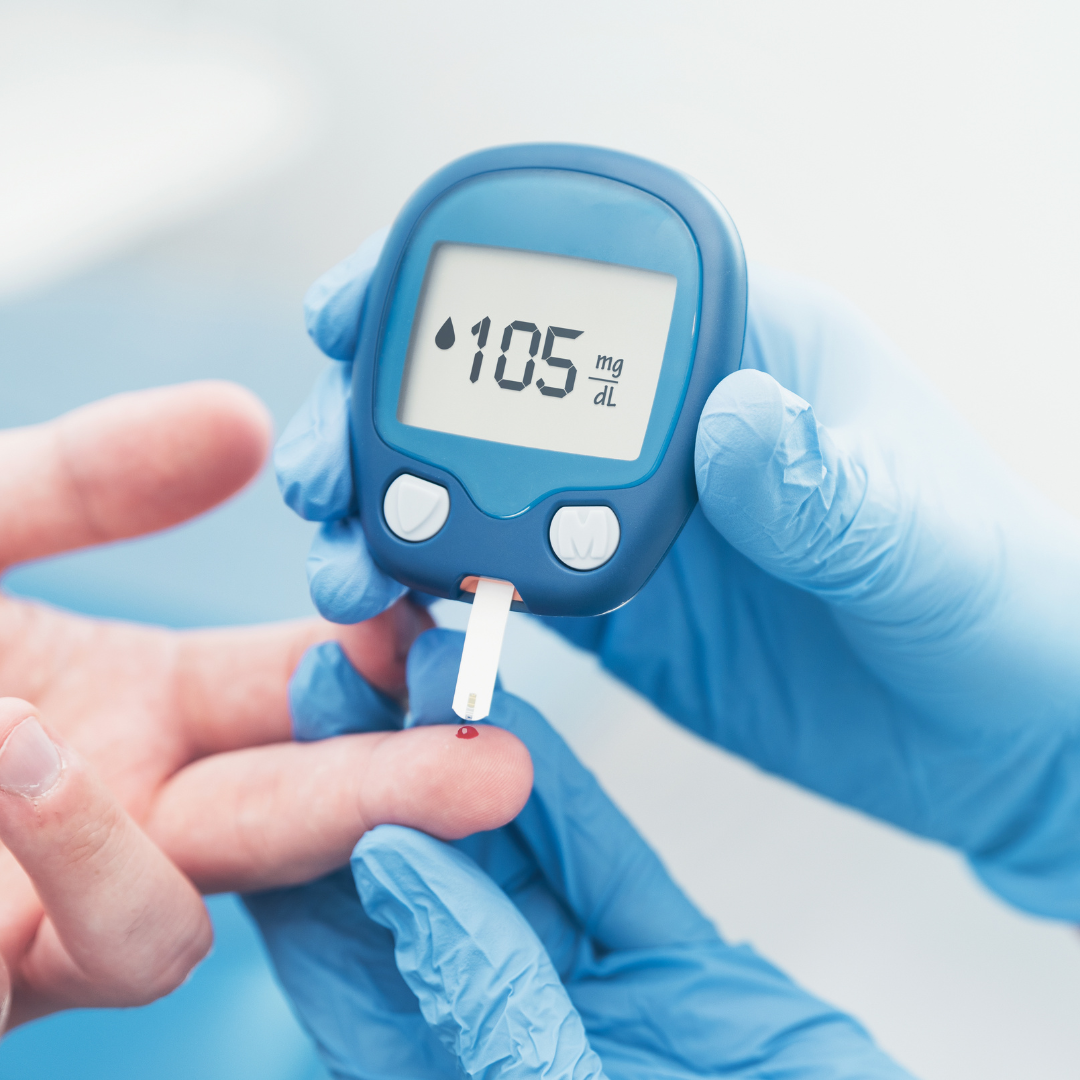
Type 2 Diabetes
Lifestyle, oral medicines and insulin — long-term sugar control and complications prevention.
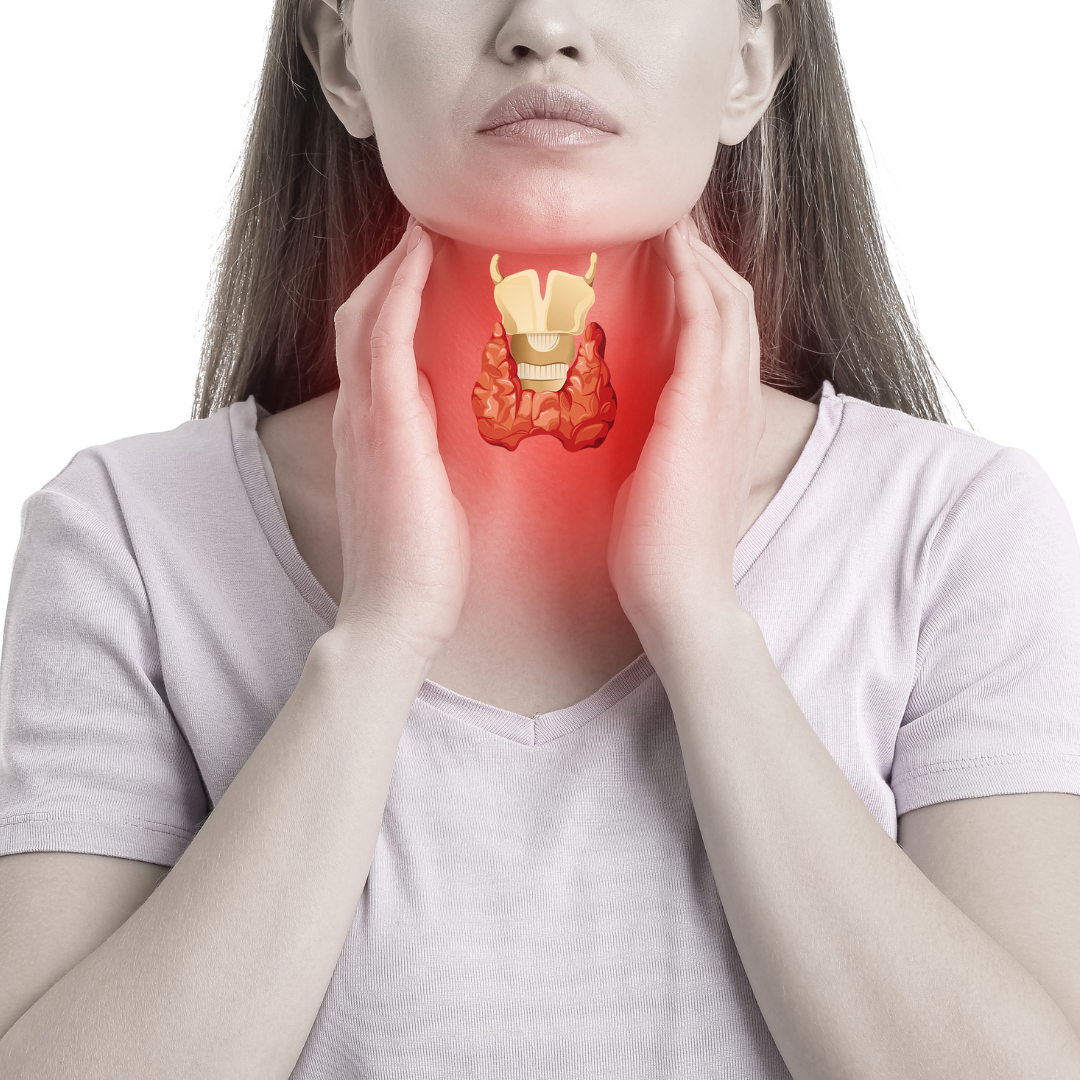
Thyroid Disorders
Hypothyroidism, hyperthyroidism and goiter — investigation and treatment.
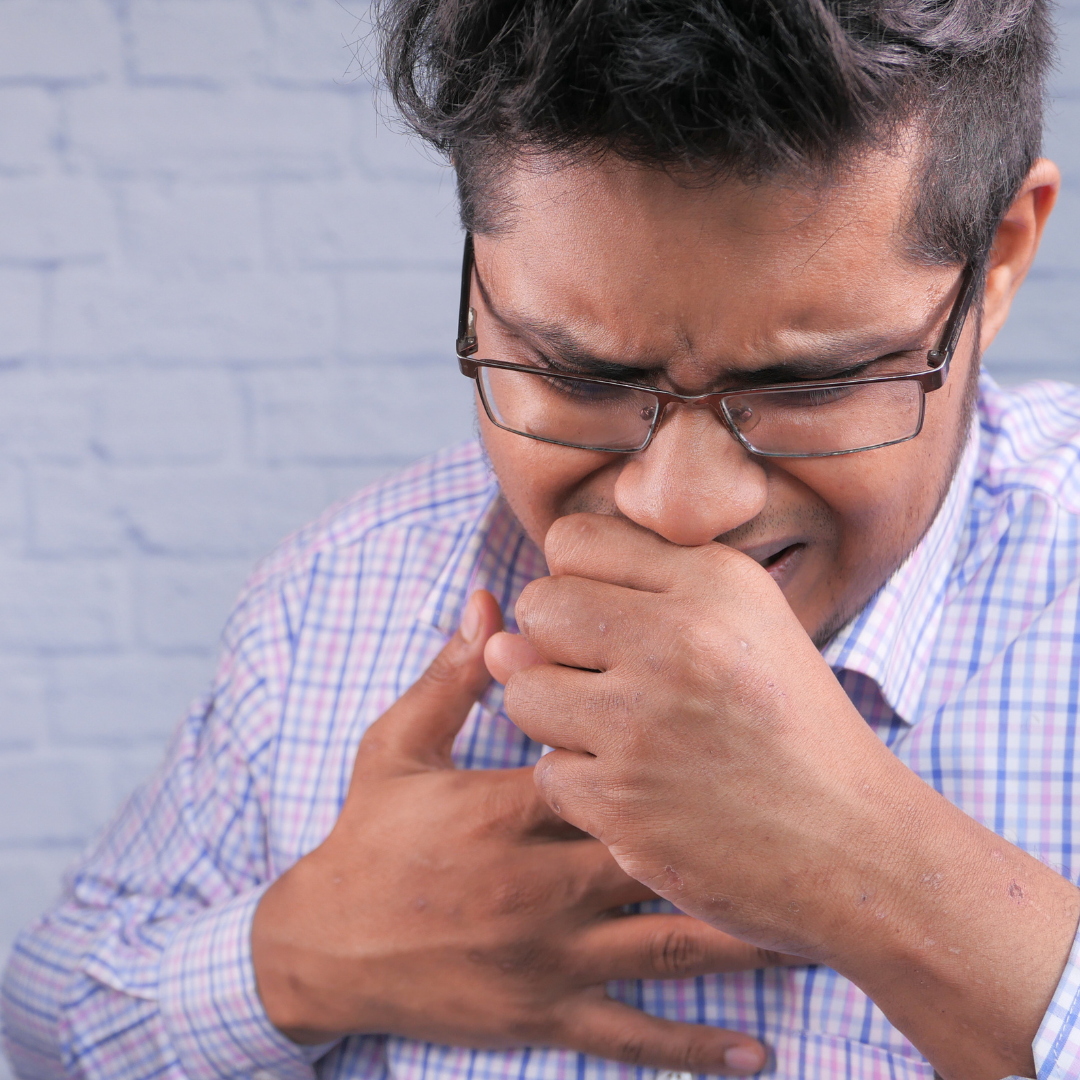
Asthma & COPD
Inhaler-based care for wheezing, breathlessness and smoker's lung.
Dengue & Viral Fevers
Dengue, typhoid, malaria — accurate diagnosis and supportive care.
Answers about High Blood Pressure (Hypertension)
Common questions about High Blood Pressure (Hypertension) — diagnosis, treatment and recovery at Sanjeevi Hospital, Sangareddy.