
Thyroid Disorders
Hypothyroidism, hyperthyroidism and goiter — investigation and treatment.
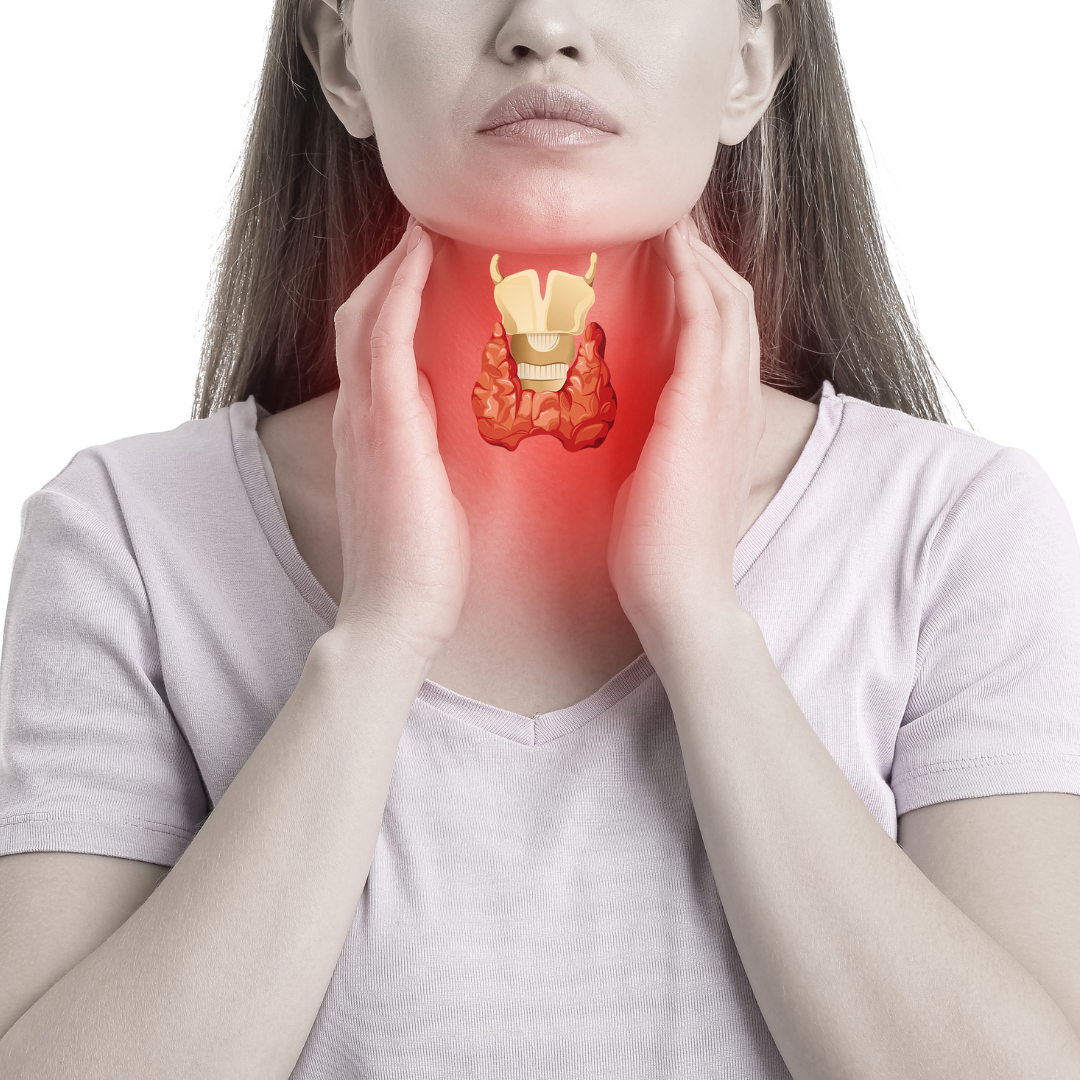
Overview
Thyroid disorders occur when the small, butterfly-shaped gland in your neck produces too much or too little of the thyroid hormone, which acts as the body's primary metabolic fuel controller. In India, thyroid issues are significantly common, affecting approximately one in ten adults, with a much higher prevalence among women. When your thyroid is out of balance, it impacts almost every part of your body, including your heart rate, body temperature, and how quickly you burn calories. Common conditions include Hypothyroidism (underactive), Hyperthyroidism (overactive), and Goiter (swelling). Ignoring these symptoms can lead to long-term health complications like heart problems or joint pain. At Sanjeevi Hospital in Sangareddy, we emphasize that thyroid disorders are highly manageable with the right medical guidance. Early detection through simple blood tests can restore your energy levels and overall well-being, allowing you to live a full, active life without the constant cloud of exhaustion or metabolic stress.
Symptoms to watch for
- Unexplained weight gain or difficulty losing weight despite diet changes
- Feeling unusually tired, sluggish, or lacking physical energy
- Increased sensitivity to cold or heat compared to others
- Changes in heart rate, such as feeling like your heart is racing or beating too slowly
- Noticeable swelling in the front of the neck (Goiter)
- Dry skin, thinning hair, or brittle fingernails
- Irregular menstrual cycles or changes in flow for women
- Mood swings, anxiety, irritability, or feelings of depression
- Frequent constipation or changes in bowel movements
Causes & risk factors
- Iodine deficiency in the daily diet, which is historically significant in parts of India
- Autoimmune diseases where the body's immune system attacks thyroid cells
- Inflammation of the thyroid gland, often triggered by a viral infection
- Genetic factors and a family history of thyroid or endocrine disorders
- Nodules or non-cancerous lumps that develop within the thyroid gland
- Side effects from certain long-term medications or medical treatments
- Post-pregnancy changes in hormone levels (Postpartum Thyroiditis)
- Previous radiation therapy to the neck or head area
Diagnosis
- Thyroid Function Test (TFT) to measure TSH, T3, and T4 levels in the blood
- Thyroid Antibody Test to check for autoimmune conditions like Hashimoto's
- Ultrasound of the neck to visualize the gland's structure and any nodules
- Fine Needle Aspiration Cytology (FNAC) for detailed testing of suspicious lumps
- Thyroid Scan using a small amount of radioactive tracer to assess gland activity
- Physical examination to check for swelling, skin texture, and reflex changes
- Review of family medical history and lifestyle symptoms
Treatment options
Hormone Replacement Therapy
The standard treatment for hypothyroidism involving a daily oral medication to restore thyroid hormone levels to their natural state.
Anti-Thyroid Medications
Prescribed for hyperthyroidism to help the gland produce fewer hormones, gradually bringing metabolic activity back to normal.
Beta-Blockers
These medications help manage symptoms of an overactive thyroid, such as rapid heartbeat, tremors, and anxiety while other treatments take effect.
Radioactive Iodine Therapy
A common treatment for hyperthyroidism where the thyroid gland is slowly shrunk to reduce excessive hormone production safely.
Thyroid Surgery (Thyroidectomy)
The surgical removal of part or all of the thyroid gland, typically reserved for large goiters or when nodules are a concern.
Nutritional Counseling and Iodine Monitoring
Personalized dietary guidance to ensure your intake of iodine and selenium supports healthy thyroid function alongside medical treatment.
When to see a doctor
It is important to listen to your body and seek medical advice if you notice persistent changes in your energy levels or physical appearance. If you experience sudden heart palpitations, extreme unexplained weight loss, severe tremors, or the feeling of a lump in your throat that makes swallowing difficult, please visit us. We understand how frustrating these symptoms can be, and our team is here to provide gentle, comprehensive care to help you feel like yourself again.
Prevention & self-care
- Ensure adequate intake of iodized salt in your daily cooking and meals
- Include selenium-rich foods like nuts, whole grains, and eggs in your diet
- Manage stress through regular exercise, yoga, or meditation to protect hormonal balance
- Get regular health check-ups if you have a family history of thyroid issues
- Avoid smoking, as tobacco contains toxins that can interfere with thyroid function
- Monitor neck changes regularly using a mirror while drinking water to spot early swelling
- Discuss thyroid health with your doctor during and after pregnancy
- Stay physically active to maintain a healthy metabolism and body weight
Related conditions
Type 2 Diabetes
Lifestyle, oral medicines and insulin — long-term sugar control and complications prevention.
High Blood Pressure (Hypertension)
Diagnosis, monitoring and medication for lasting BP control.

Asthma & COPD
Inhaler-based care for wheezing, breathlessness and smoker's lung.
Dengue & Viral Fevers
Dengue, typhoid, malaria — accurate diagnosis and supportive care.

Answers about Thyroid Disorders
Common questions about Thyroid Disorders — diagnosis, treatment and recovery at Sanjeevi Hospital, Sangareddy.