
Type 2 Diabetes
Lifestyle, oral medicines and insulin — long-term sugar control and complications prevention.
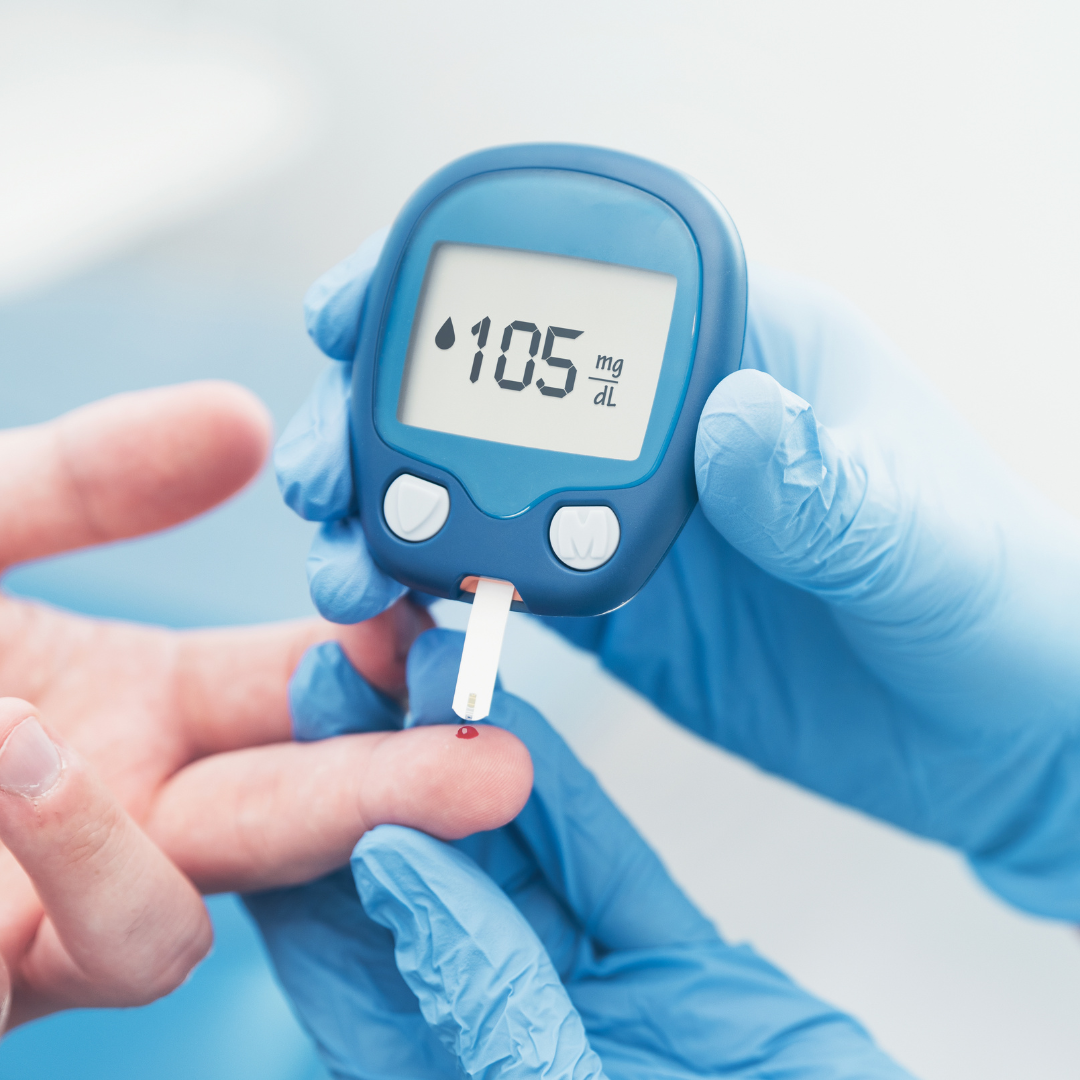
Overview
Type 2 Diabetes mellitus is a chronic condition where your body either does not produce enough insulin or cannot effectively use the insulin it makes. This causes sugar to build up in your bloodstream instead of fueling your cells. In India, often called the 'diabetes capital of the world,' this condition is extremely common due to genetic predispositions, sedentary lifestyles, and diets high in refined carbohydrates like polished rice and maida. At Sanjeevi Hospital in Sangareddy, we understand that managing diabetes is not just about taking pills; it is about protecting your heart, kidneys, eyes, and nerves for the long term. Left untreated, high blood sugar can lead to serious health complications, but with early detection and the right care plan, most people lead full, active lives. Our department focuses on personalized care paths that respect your food habits and daily routine while keeping your sugar levels in a safe range through a combination of clinical expertise and patient education.
Symptoms to watch for
- Feeling unusually thirsty even after drinking plenty of water
- Frequent urination, especially the need to wake up during the night
- Feeling very tired or weak despite getting enough rest
- Blurry vision or difficulty focusing on objects
- Slow-healing sores, cuts, or infections that take a long time to go away
- Unexplained weight loss despite eating normally
- Frequent itching, especially around the genital area or skin folds
- Tingling or numbness in the hands or feet (pins and needles sensation)
- Darkened patches of skin, usually around the neck or armpits
Causes & risk factors
- Insulin resistance where body cells do not respond normally to insulin
- Family history and genetics (having a parent or sibling with diabetes)
- Being overweight or having a high body mass index (BMI)
- Excessive belly fat or an 'apple-shaped' body profile
- Sedentary lifestyle with very little physical activity or exercise
- Poor dietary choices including high intake of sugary drinks and snacks
- Polycystic Ovary Syndrome (PCOS) in women
- Age factor, as the risk typically increases after age 45
Diagnosis
- HbA1c Test: Measures your average blood sugar levels over the past 3 months
- Fasting Plasma Glucose (FPG) Test: Checks sugar levels after an 8-hour fast
- Post-Prandial Blood Sugar (PPBS): Measured exactly 2 hours after a meal
- Oral Glucose Tolerance Test (OGTT): Measures sugar before and after a sugary drink
- Random Blood Sugar Test: A quick check performed at any time of day
- Urine Analysis: To check for the presence of glucose or ketones
- Lipid Profile: To check cholesterol levels which are often linked to diabetes
Treatment options
Medical Nutrition Therapy
Our dietitians create a balanced meal plan focusing on fiber-rich Indian foods like millets, green leafy vegetables, and whole grains while limiting simple sugars and white rice.
Oral Hypoglycemic Agents
These are daily tablets prescribed to help your body produce more insulin, improve insulin sensitivity, or reduce the amount of sugar your liver releases into the blood.
Insulin Therapy
When oral medicines are not enough, we provide guidance on using insulin injections or pens to mimic the body's natural insulin patterns for better control.
Physical Activity Counseling
We help you design a safe exercise routine, such as walking 30 minutes daily or practicing yoga, which helps your muscles use sugar more efficiently.
Weight Management Programs
Modest weight loss of even 5-7% can significantly improve blood sugar levels and reduce the need for multiple medications.
Routine Screening for Complications
Regular check-ups for your eyes (retinopathy), kidneys (nephropathy), and feet to catch and treat any diabetes-related damage at the earliest stage.
When to see a doctor
It is important to visit Sanjeevi Hospital immediately if you experience extreme thirst that won't go away, sudden confusion, fruity-smelling breath, or persistent vomiting. These can be signs of very high blood sugar emergencies. Additionally, if you notice any foot injuries that aren't healing or sudden changes in your vision, please reach out to our specialists. Early intervention prevents long-term damage to your vital organs and keeps you feeling your best. Our team is here to support you with empathy and expert care whenever you feel your sugar levels are out of rhythm.
Prevention & self-care
- Maintain a healthy weight through a balance of calorie intake and activity
- Switch from refined grains like white rice to whole grains like brown rice, jowar, or ragi
- Aim for at least 150 minutes of moderate intensity physical activity like brisk walking each week
- Avoid sugary beverages, sodas, and packed fruit juices
- Include more protein and fiber in every meal to prevent sugar spikes
- Get regular health check-ups if you have a family history of diabetes
- Manage stress through meditation, adequate sleep, and hobby-related activities
- Quit smoking and limit alcohol consumption to protect your heart and blood vessels
Related conditions
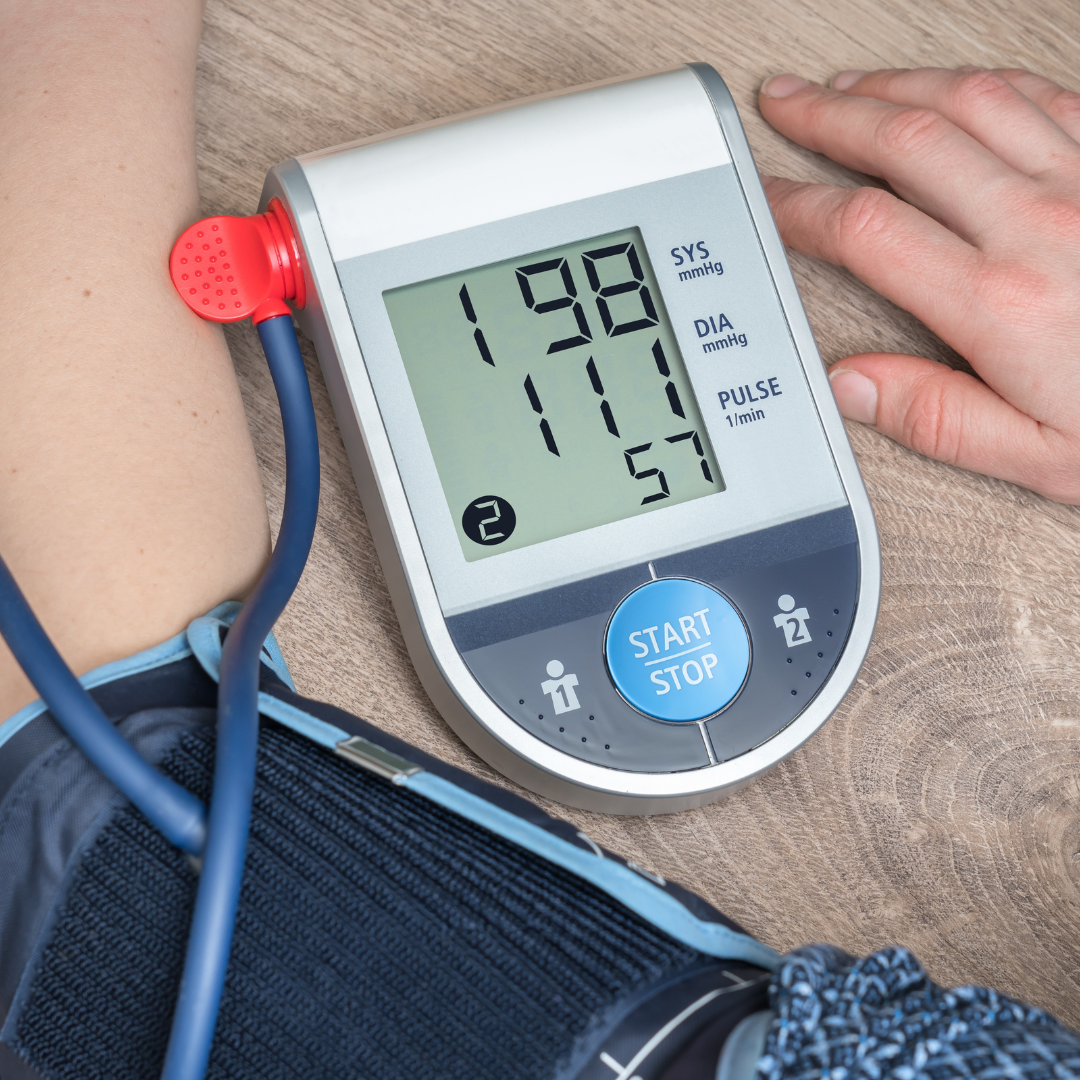
High Blood Pressure (Hypertension)
Diagnosis, monitoring and medication for lasting BP control.
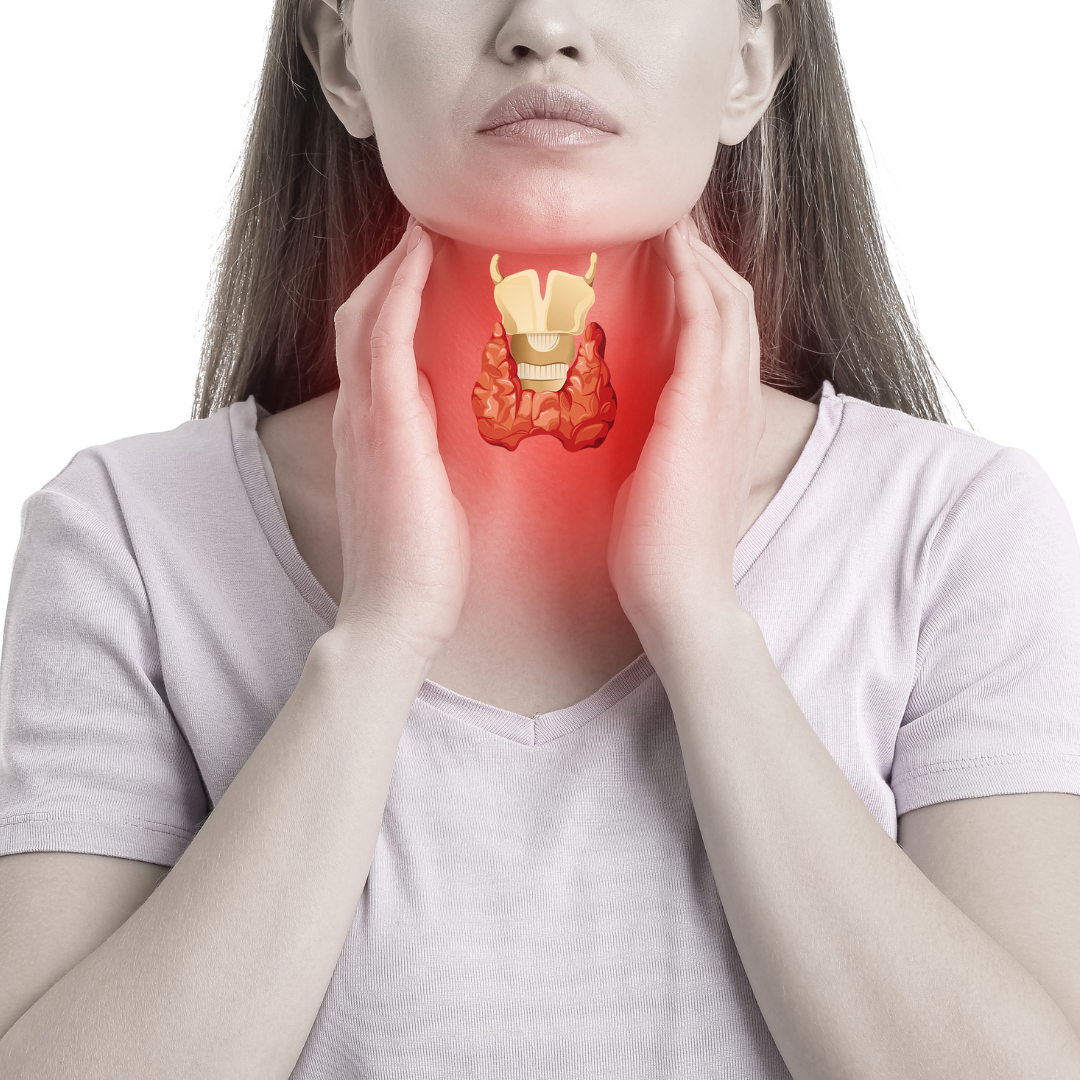
Thyroid Disorders
Hypothyroidism, hyperthyroidism and goiter — investigation and treatment.

Asthma & COPD
Inhaler-based care for wheezing, breathlessness and smoker's lung.
Dengue & Viral Fevers
Dengue, typhoid, malaria — accurate diagnosis and supportive care.
Answers about Type 2 Diabetes
Common questions about Type 2 Diabetes — diagnosis, treatment and recovery at Sanjeevi Hospital, Sangareddy.