
Chronic Kidney Disease
Early detection, BP and sugar control to protect kidney function.
Overview
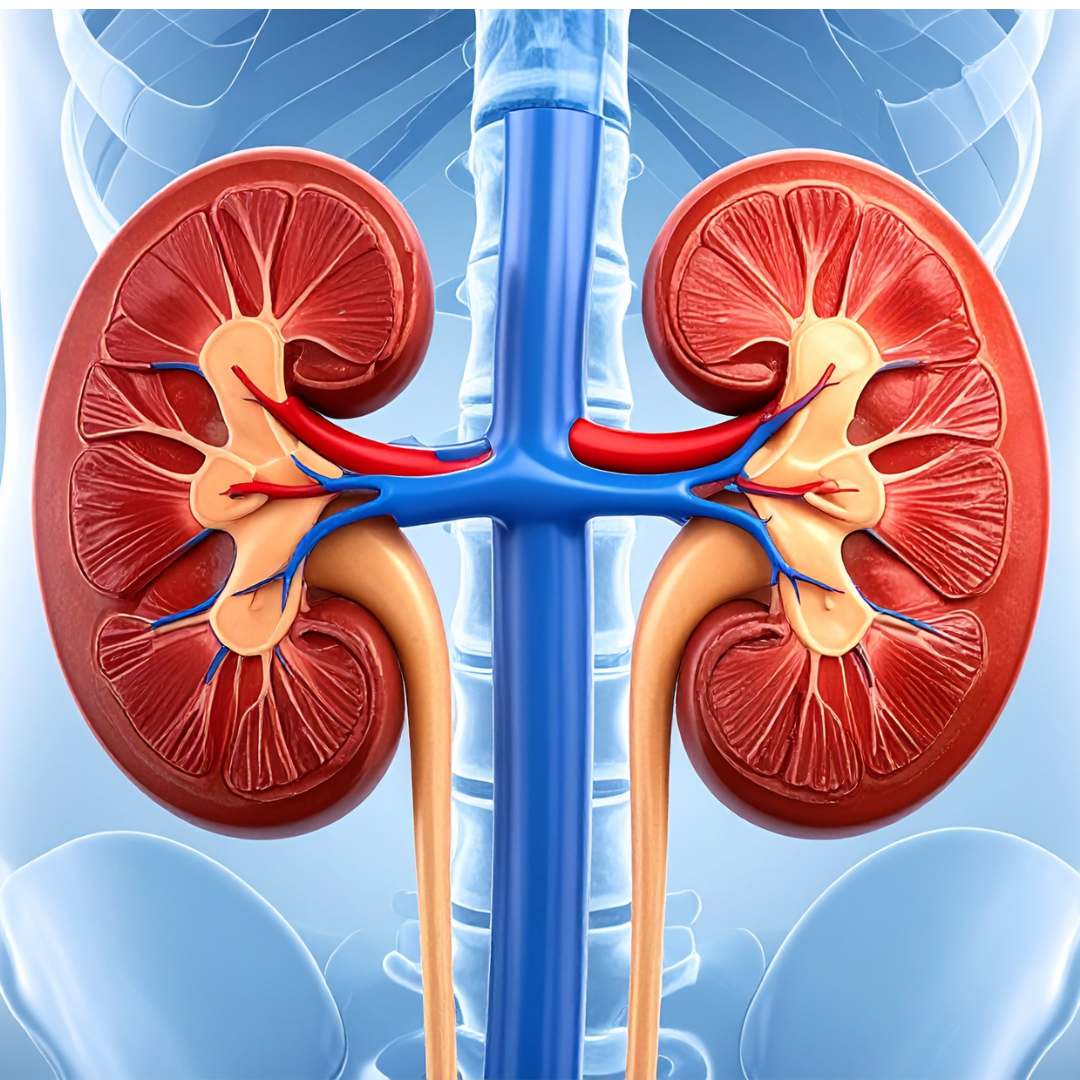
Chronic Kidney Disease (CKD) is a gradual loss of kidney function over time. Our kidneys act as sophisticated filters, removing waste products and extra fluid from the blood, which are then excreted as urine. In India, CKD is becoming increasingly common due to the rising prevalence of diabetes and hypertension. When kidneys are damaged, waste builds up in the body, which can lead to other health complications like heart disease or bone weakness. Many people in the early stages of CKD do not feel sick because the body can often adapt to slightly lower kidney function. However, if left unmanaged, it can progress to kidney failure. At Sanjeevi Hospital in Sangareddy, we emphasize that early detection is the key to preserving health. By monitoring your blood sugar and blood pressure regularly, we can help you keep your kidneys functioning efficiently for many years, ensuring you can continue to enjoy a full and active lifestyle with your family.
Symptoms to watch for
- Feeling more tired or having less energy than usual
- Trouble concentrating or mental fog
- Swelling in the ankles, feet, or hands (oedema)
- Puffiness around the eyes, especially in the morning
- Changes in urination, such as needing to go more often at night
- Foamy urine, which indicates protein leakage
- Persistent dry and itchy skin
- Muscle cramping, particularly in the legs at night
- Shortness of breath even with mild activity
Causes & risk factors
- Long-term Diabetes (High blood sugar levels damaging the filters)
- High Blood Pressure (Hypertension) putting stress on small blood vessels
- Glomerulonephritis, which is inflammation of the kidney's filtering units
- Polycystic kidney disease, a genetic condition causing cysts to grow
- Prolonged obstruction of the urinary tract from stones or enlarged prostate
- Vesicoureteral reflux, a condition where urine backs up into the kidneys
- Recurrent kidney infections, also known as pyelonephritis
- Overuse of certain pain medications (NSAIDs) without medical supervision
Diagnosis
- Serum Creatinine Blood Test to calculate your GFR (filtering rate)
- Urine Albumin Test to check for protein leakage from the kidneys
- Blood Urea Nitrogen (BUN) test to measure waste products in the blood
- Ultrasound of the Kidneys to check for size, shape, and obstructions
- Blood Pressure Monitoring to assess the strain on your cardiovascular system
- Electrolyte Panel to check levels of potassium, sodium, and calcium
- Kidney Biopsy in specific cases where the exact cause is unclear
Treatment options
Management of Underlying Conditions
The most vital step is strictly controlling blood sugar and blood pressure using medications and lifestyle changes to prevent further kidney damage.
Dietary Modifications
Our nutritionists help design a kidney-friendly diet that limits sodium, potassium, and phosphorus while providing the right amount of high-quality protein.
Blood Pressure Medications
Specific heart medications like ACE inhibitors or ARBs are often used to lower blood pressure and protect the filtering units of the kidneys.
Anemia Management
Since kidneys help produce red blood cells, we may provide supplements or injections to boost your iron levels and energy.
Swelling Reduction
Diuretic medications help your body remove excess fluid, reducing swelling in the legs and relieving strain on your heart.
Bone Health Protection
We provide phosphate binders and Vitamin D supplements to keep your bones strong and prevent the mineral imbalances common in CKD.
Regular Monitoring and Education
Frequent check-ups and education on avoiding harmful substances ensure your treatment plan stays effective as your needs change.
Preparation for Advanced Care
In later stages, we discuss and prepare for options like dialysis or kidney transplant to ensure a seamless transition if function declines significantly.
When to see a doctor
It is important to visit Sanjeevi Hospital if you notice persistent swelling in your feet, unexplained fatigue, or changes in how often you urinate. If you have diabetes or high blood pressure, you should have your kidney function tested at least once a year, even if you feel perfectly fine. Early signs are often subtle. Please consult our specialists if you experience nausea, a metallic taste in your mouth, or sudden shortness of breath. We are here to listen and provide reassurance and expert care.
Prevention & self-care
- Keep your blood sugar levels within the target range recommended by your doctor
- Maintain a healthy blood pressure, ideally below 130/80 mmHg
- Reduce salt intake by avoiding processed foods and pickles
- Stay physically active with at least 30 minutes of walking daily
- Quit smoking to improve blood flow to all your vital organs
- Drink adequate water but avoid over-hydration if you already have kidney issues
- Avoid self-medicating with over-the-counter painkillers like ibuprofen
- Attend regular health check-ups to catch any changes in kidney function early
Related conditions
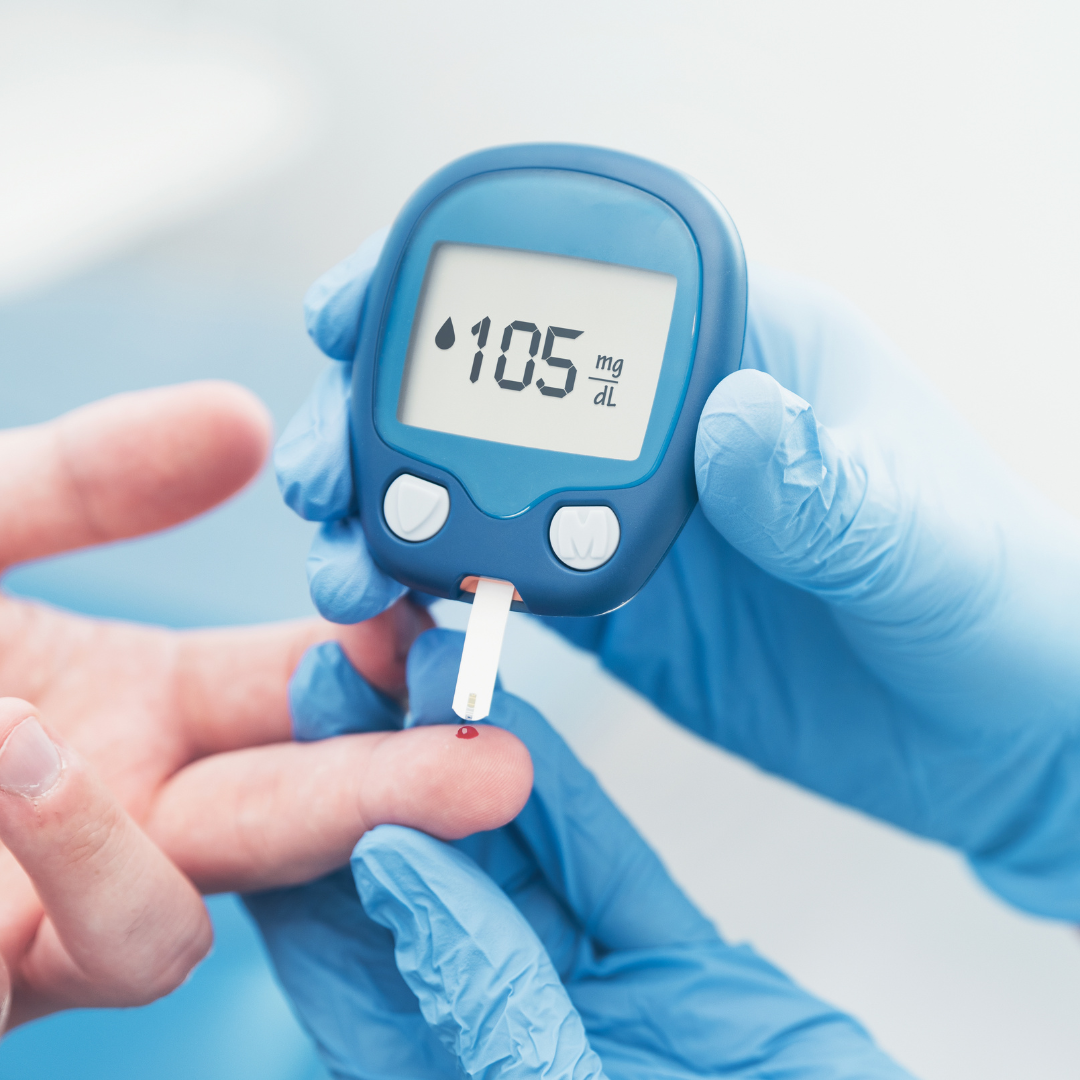
Type 2 Diabetes
Lifestyle, oral medicines and insulin — long-term sugar control and complications prevention.
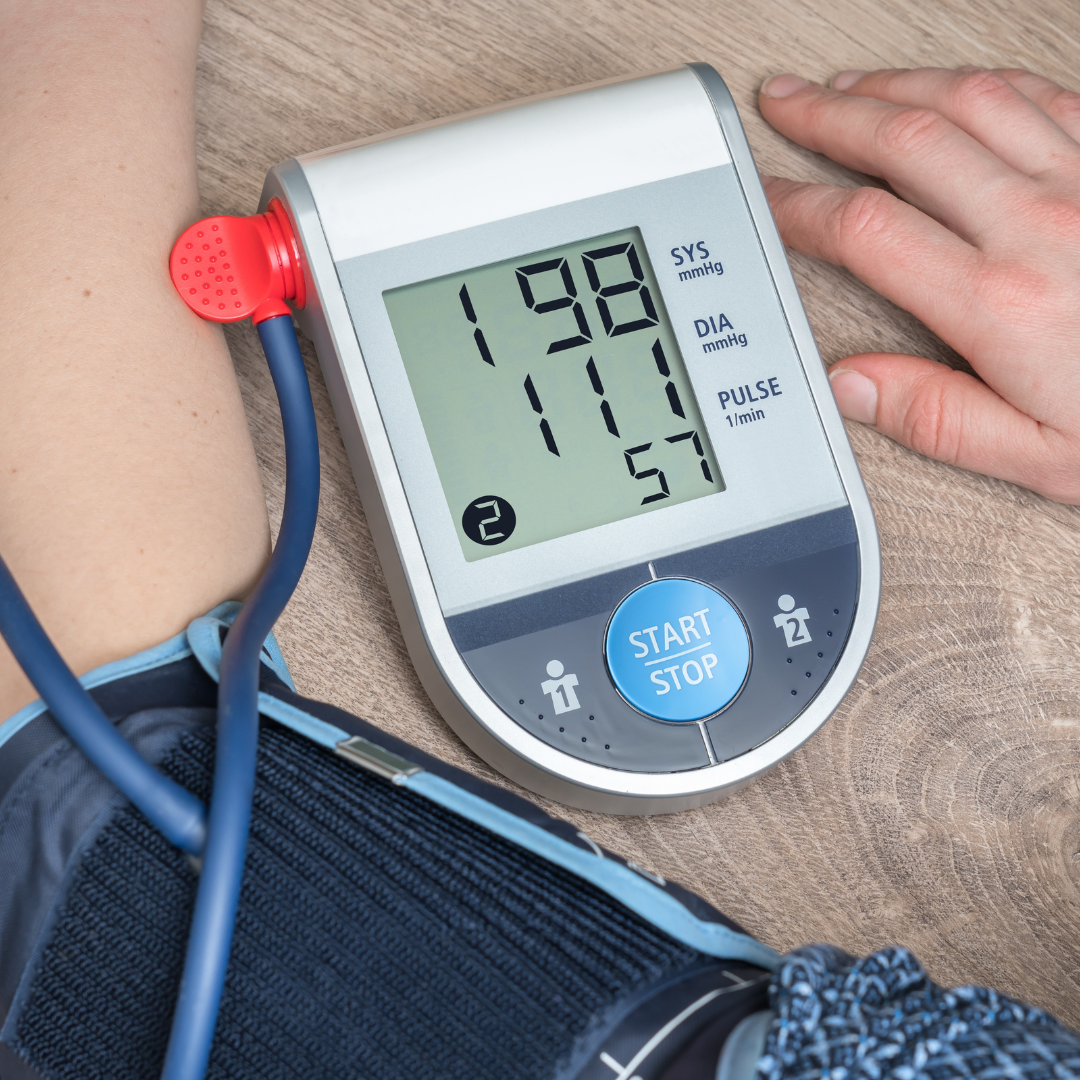
High Blood Pressure (Hypertension)
Diagnosis, monitoring and medication for lasting BP control.

Thyroid Disorders
Hypothyroidism, hyperthyroidism and goiter — investigation and treatment.

Asthma & COPD
Inhaler-based care for wheezing, breathlessness and smoker's lung.
Answers about Chronic Kidney Disease
Common questions about Chronic Kidney Disease — diagnosis, treatment and recovery at Sanjeevi Hospital, Sangareddy.