
Asthma & COPD
Inhaler-based care for wheezing, breathlessness and smoker's lung.
Overview
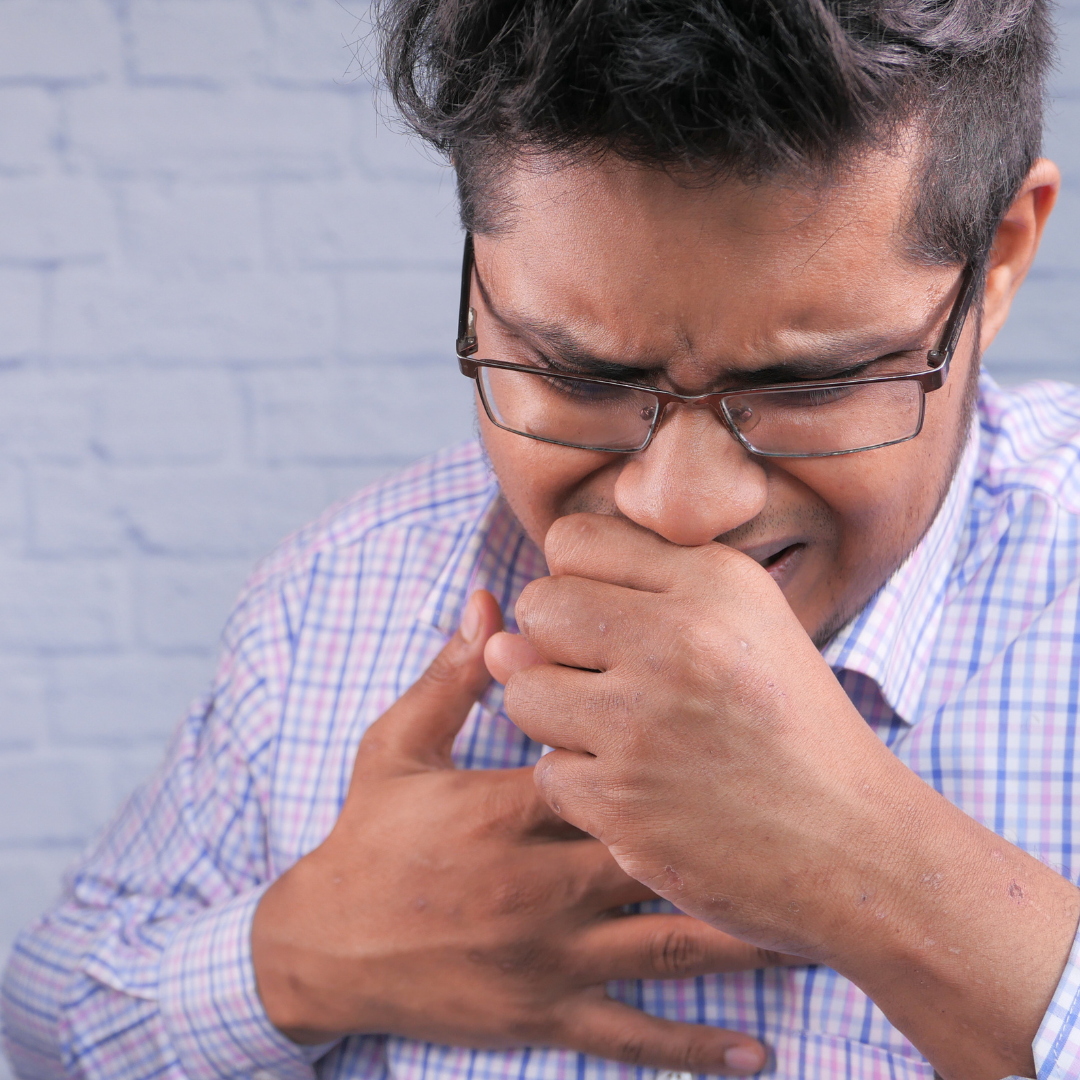
Asthma and Chronic Obstructive Pulmonary Disease (COPD) are two of the most common respiratory challenges faced by families across India today. While asthma is often a long-term condition starting in childhood that causes your airways to swell and narrow, COPD is frequently associated with long-term exposure to irritants like smoke or pollutants, leading to damaged air sacs in the lungs. In India, the high levels of dust, seasonal changes, and traditional cooking smoke (chulhas) can often worsen these conditions. At Sanjeevi Hospital in Sangareddy, we understand that struggling to catch your breath can be frightening and exhausting. These conditions are not just about a 'bad cough'; they affect your quality of life, your sleep, and your ability to work. The good news is that with modern inhalers, lifestyle adjustments, and expert guidance from our General Medicine team, most patients can lead active, normal lives. We focus on controlling inflammation and easing your breathing so you can focus on your family and your health without constant worry.
Symptoms to watch for
- Frequent coughing, especially at night or early in the morning
- A whistling or wheezing sound when you breathe out
- Feeling short of breath or like you cannot get enough air
- Tightness or pressure in the chest area
- Feeling easily tired during simple activities like walking or climbing stairs
- Increased production of mucus or phlegm that is hard to clear
- Difficulty sleeping because of coughing or breathing issues
- A persistent cough that lasts for more than three weeks
- Symptoms that get worse with cold weather or during the pollen season
Causes & risk factors
- Exposure to indoor and outdoor air pollution and dust
- History of long-term tobacco smoking or exposure to secondhand smoke
- Genetic factors or a family history of allergies and respiratory issues
- Frequent respiratory infections during early childhood
- Exposure to chemical fumes or workplace dust (industrial exposure)
- Household smoke from biomass fuels used for cooking and heating
- Strong allergens like pollen, pet dander, or dust mites
- Changes in weather and inhalation of cold, dry air
Diagnosis
- Spirometry test to measure how much and how fast you can blow air out
- Peak Flow Meter tests to monitor lung function at home
- Chest X-ray to rule out other lung infections or heart problems
- Pulse Oximetry to check the oxygen levels in your blood
- Allergy testing to identify specific triggers for asthma flares
- Physical examination and detailed review of your breathing history
- CT Scan of the lungs for a more detailed view in chronic COPD cases
Treatment options
Quick-Relief Rescue Inhalers
These portable devices deliver medicine directly to the lungs to open up airways immediately during a sudden flare-up or wheezing episode.
Long-Term Control Inhalers
Used daily, these medications reduce the swelling and mucus in your airways to prevent symptoms from starting in the first place.
Nebulization Therapy
A machine turns liquid medicine into a fine mist that you breathe in through a mask, often used for more severe breathing difficulties.
Oral Bronchodilators
Tablets that help relax the muscles around the airways, making it easier for air to move in and out of the lungs over a long period.
Pulmonary Rehabilitation
A specialized program involving breathing exercises, nutritional advice, and techniques to improve physical stamina and reduce breathlessness.
Oxygen Therapy
For advanced COPD, supplemental oxygen may be provided via portable tanks to ensure your body gets the vital oxygen it needs to function.
Smoking Cessation Counseling
A structured support program to help patients quit smoking, which is the most critical step in stopping the progression of COPD.
Vaccination Support
Regular flu and pneumonia vaccines are provided to prevent secondary infections that can cause severe complications for asthma and COPD patients.
When to see a doctor
Please seek medical help immediately if you experience a rapid worsening of shortness of breath or wheezing that does not improve with your rescue inhaler. Look out for red flags such as fingernails or lips turning blue, extreme difficulty speaking in full sentences, or feeling very confused or drowsy. It is also important to consult us if your symptoms are waking you up at night more than twice a week. We are here to help you stay safe and breathe comfortably.
Prevention & self-care
- Identify and avoid your personal triggers like dust, smoke, or specific smells
- Quit smoking completely and avoid all areas where people are smoking
- Use a mask while traveling in heavy traffic or dusty environments
- Keep your home well-ventilated, especially while cooking with gas or wood
- Practice deep breathing exercises as taught by our clinical staff
- Clean your bedding weekly in hot water to remove dust mites
- Stay hydrated and maintain a healthy weight to reduce the load on your lungs
- Attend all follow-up appointments even if you are feeling well
Related conditions
Type 2 Diabetes
Lifestyle, oral medicines and insulin — long-term sugar control and complications prevention.
High Blood Pressure (Hypertension)
Diagnosis, monitoring and medication for lasting BP control.
Thyroid Disorders
Hypothyroidism, hyperthyroidism and goiter — investigation and treatment.
Dengue & Viral Fevers
Dengue, typhoid, malaria — accurate diagnosis and supportive care.

Answers about Asthma & COPD
Common questions about Asthma & COPD — diagnosis, treatment and recovery at Sanjeevi Hospital, Sangareddy.