
Liver Disease
Fatty liver, hepatitis and cirrhosis — evaluation and management.
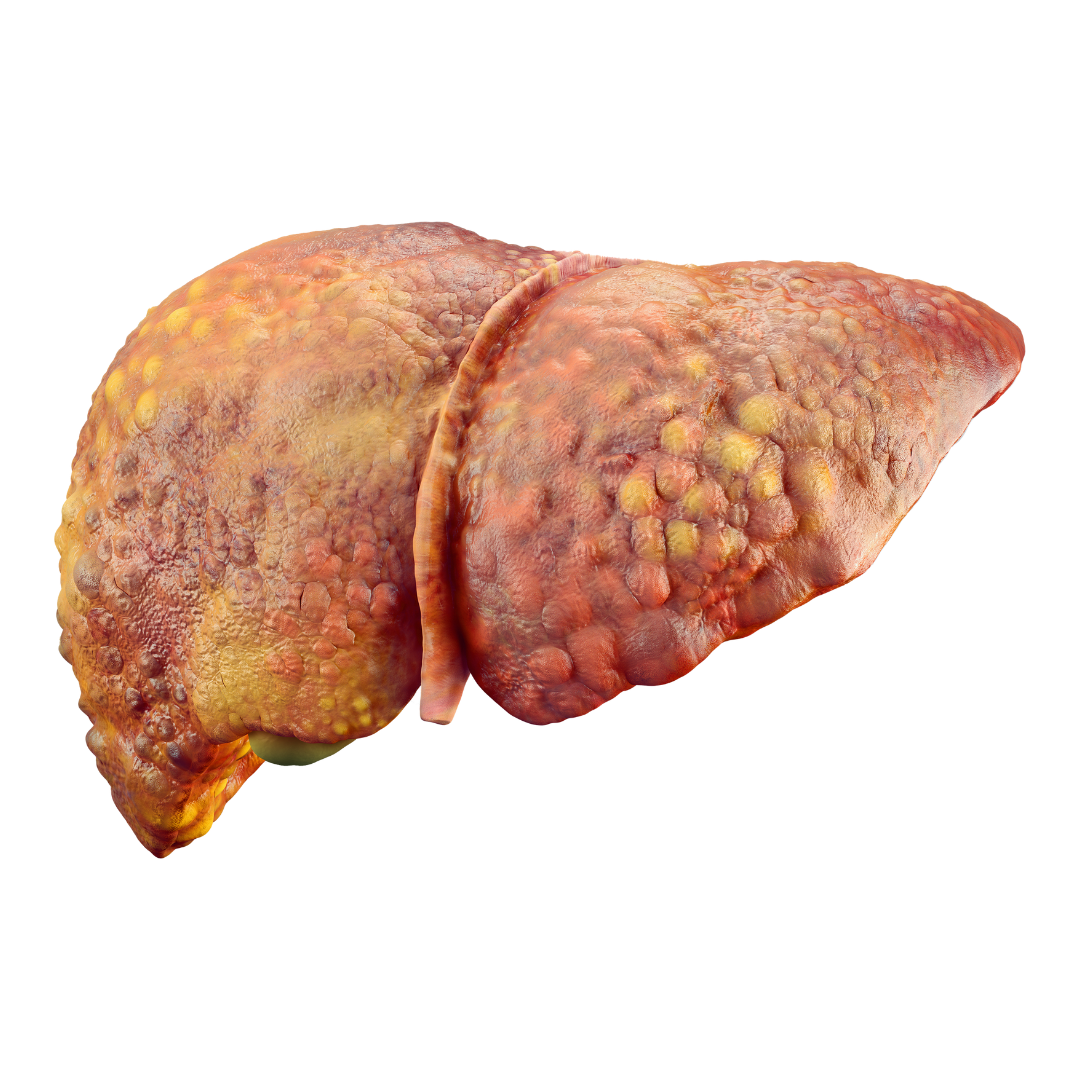
Overview
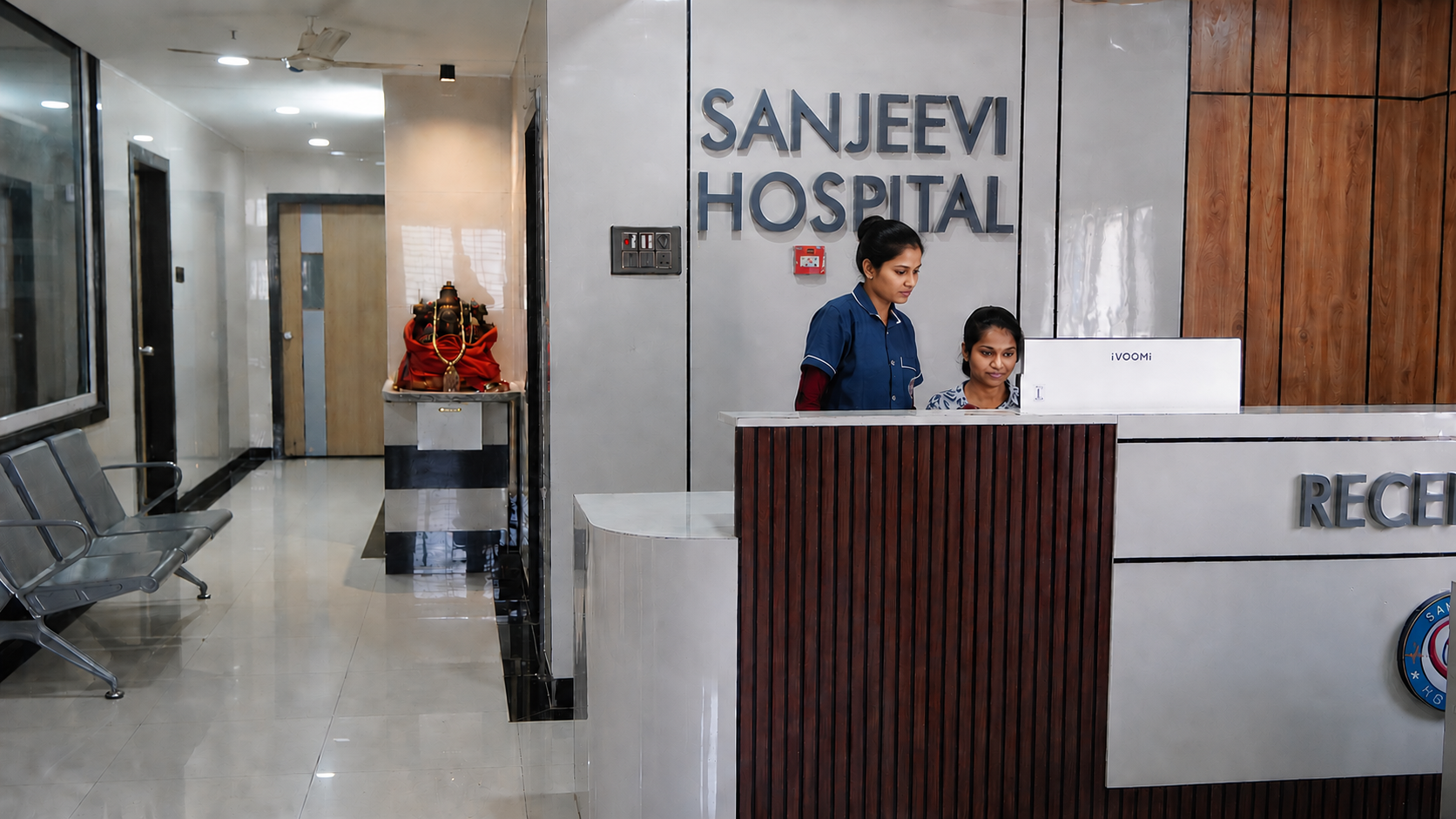
The liver is an incredible organ that acts as your body's filtration plant, processing everything you eat and drink while removing harmful toxins. In India, liver diseases are becoming increasingly common due to changing dietary habits, sedentary lifestyles, and certain viral infections. Conditions such as Non-Alcoholic Fatty Liver Disease (NAFLD) now affect nearly one in three adults in many Indian urban and semi-urban areas. When the liver is stressed by excess fat, alcohol, or infection, it can lead to inflammation and scarring, known as cirrhosis. Early detection is vital because the liver has a remarkable ability to repair itself if treated in time. At Sanjeevi Hospital, we provide comprehensive care ranging from basic lifestyle counseling to advanced management of chronic liver conditions. Understanding your liver health is the first step toward a long and energetic life, ensuring your body can effectively manage energy and clear away waste products daily.
Symptoms to watch for
- Constant feeling of tiredness or extreme weakness
- Yellowish tint in the whites of the eyes or on the skin (Jaundice)
- Pain or discomfort in the upper right side of the abdomen
- Swelling in the legs, ankles, or feet (Edema)
- Frequent itching of the skin without a visible rash
- Dark-colored urine despite drinking enough water
- Pale or clay-colored stools
- Tendency to bruise very easily or frequent nosebleeds
- Loss of appetite and unintended weight loss
Causes & risk factors
- Excess fat accumulation often linked to obesity and diabetes (Fatty Liver)
- Chronic and excessive consumption of alcohol over many years
- Viral infections such as Hepatitis A, B, and C
- Autoimmune conditions where the body attacks its own liver cells
- Long-term exposure to certain environmental toxins or industrial chemicals
- Genetics and inherited conditions like Wilson's disease
- Overuse of certain over-the-counter medications or herbal supplements without medical advice
- Diets very high in processed sugars, trans fats, and refined flour
Diagnosis
- Comprehensive Blood Tests including Liver Function Tests (LFT) to check enzyme levels
- Ultrasound scan of the abdomen to visualize the liver's shape and texture
- Fibroscan to measure liver stiffness and detect early scarring without needles
- CT Scan or MRI for detailed imaging of the liver and surrounding blood vessels
- Viral markers to rule out Hepatitis B and C infections
- Blood sugar and cholesterol profiles to assess metabolic health
- Liver Biopsy in specific cases to examine a tiny tissue sample under a microscope
Treatment options
Medical Management of Viral Hepatitis
Using specialized antiviral medications to control or eliminate viruses like Hepatitis B and C, preventing long-term damage to liver cells.
Lifestyle and Dietary Counseling
Our experts provide personalized Indian diet plans focusing on high fiber, low sugar, and healthy fats to reverse early-stage fatty liver disease.
Management of Metabolic Disorders
Coordinated treatment of diabetes, high blood pressure, and cholesterol, as these conditions are closely linked to liver health.
Fluid Management and Diuretics
Prescribing medications to help the body flush out excess salt and water if the liver disease is causing swelling in the belly or legs.
Alcohol De-addiction Support
Compassionate counseling and medical assistance to help patients quit alcohol, which is often the most critical step in allowing the liver to heal.
Endoscopic Procedures
Advanced minimally invasive techniques to treat complications like bleeding veins in the food pipe caused by advanced liver scarring.
Nutritional Supplementation
Carefully selected vitamins and minerals are provided to correct deficiencies that often occur when the liver cannot store nutrients properly.
Weight Management Programs
Structured plans combining physical activity and calorie control to reduce the fat deposits within the liver tissue successfully.
When to see a doctor
It is important to listen to your body and seek medical advice if you notice persistent changes. Please consult a doctor immediately if you experience sudden yellowing of the skin or eyes, severe abdominal pain that doesn't go away, or swelling in your legs that makes walking difficult. Other red flags include feeling confused or unusually drowsy, or if you notice blood in your vomit or stools. We are here to listen to your concerns with empathy and provide the right guidance to help you feel like yourself again.
Prevention & self-care
- Maintain a healthy weight through a balanced diet and regular walks or yoga
- Limit or completely avoid the consumption of alcohol to protect liver cells
- Get vaccinated against Hepatitis A and B as per medical guidelines
- Wash your hands thoroughly after using the washroom and before handling food
- Avoid taking unnecessary medications or unlicensed 'power' supplements without a doctor's prescription
- Increase intake of green leafy vegetables and seasonal Indian fruits like papaya and amla
- Drink plenty of clean, filtered water throughout the day
- Ensure safe practices during tattoos, piercings, or medical procedures to avoid blood-borne infections
Related conditions
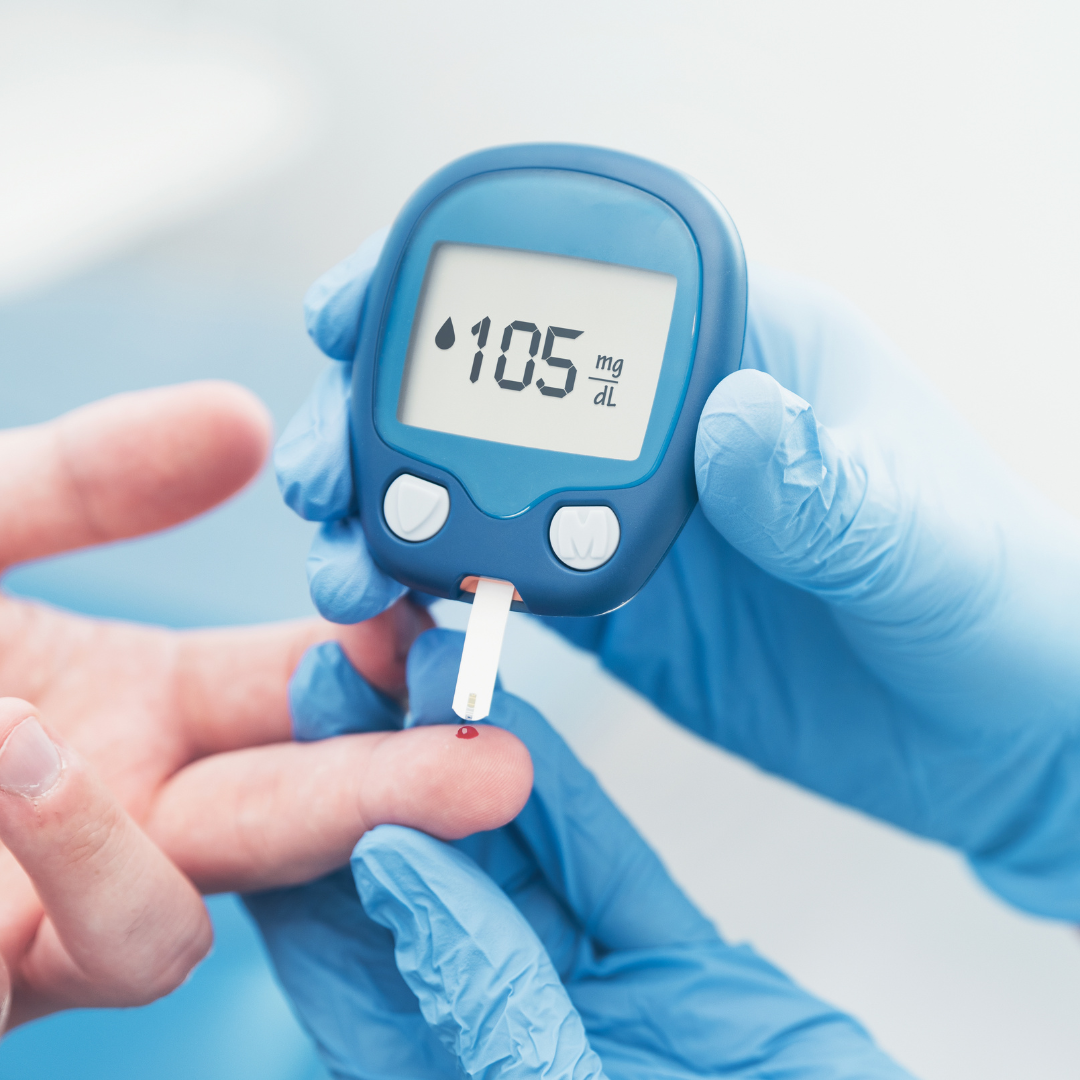
Type 2 Diabetes
Lifestyle, oral medicines and insulin — long-term sugar control and complications prevention.
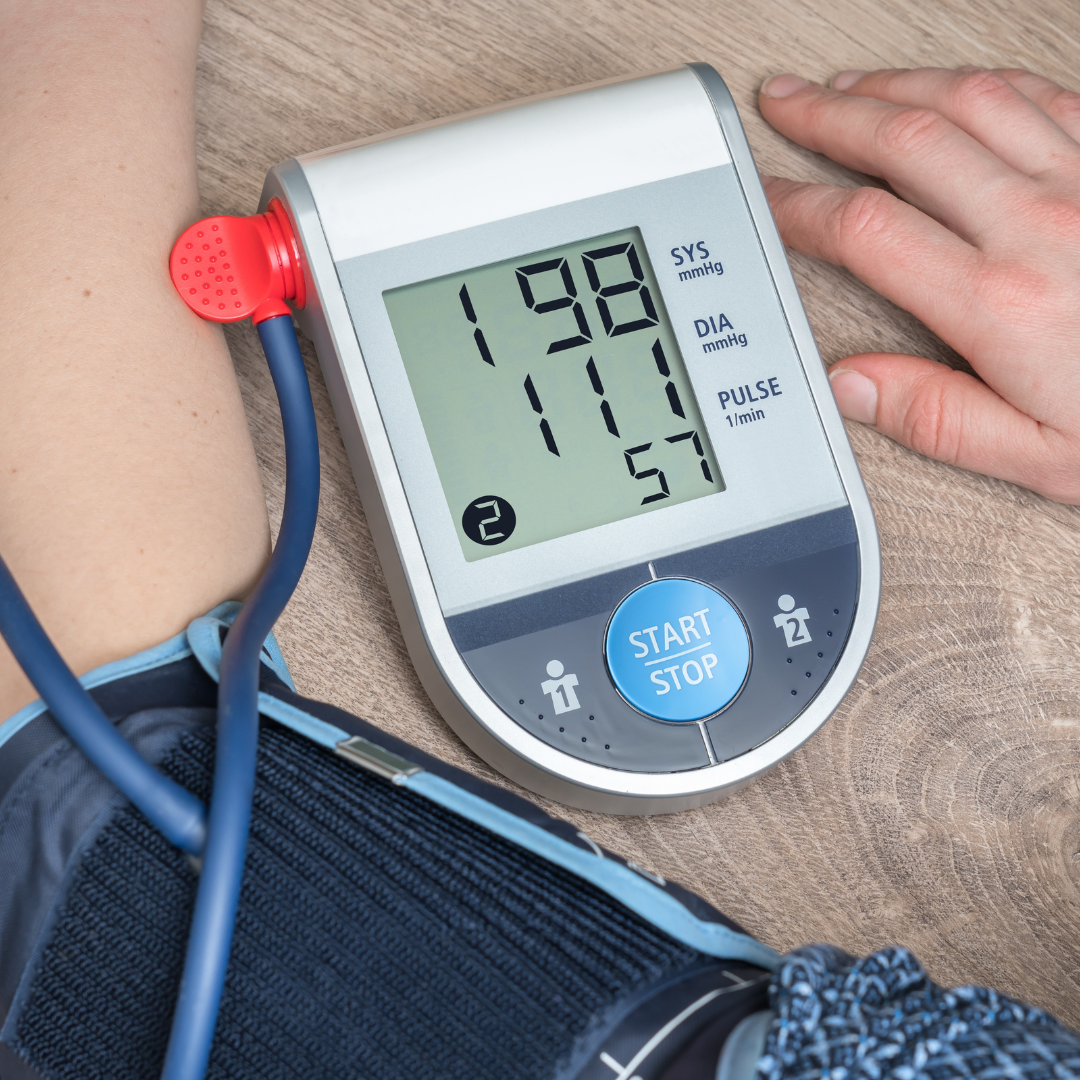
High Blood Pressure (Hypertension)
Diagnosis, monitoring and medication for lasting BP control.
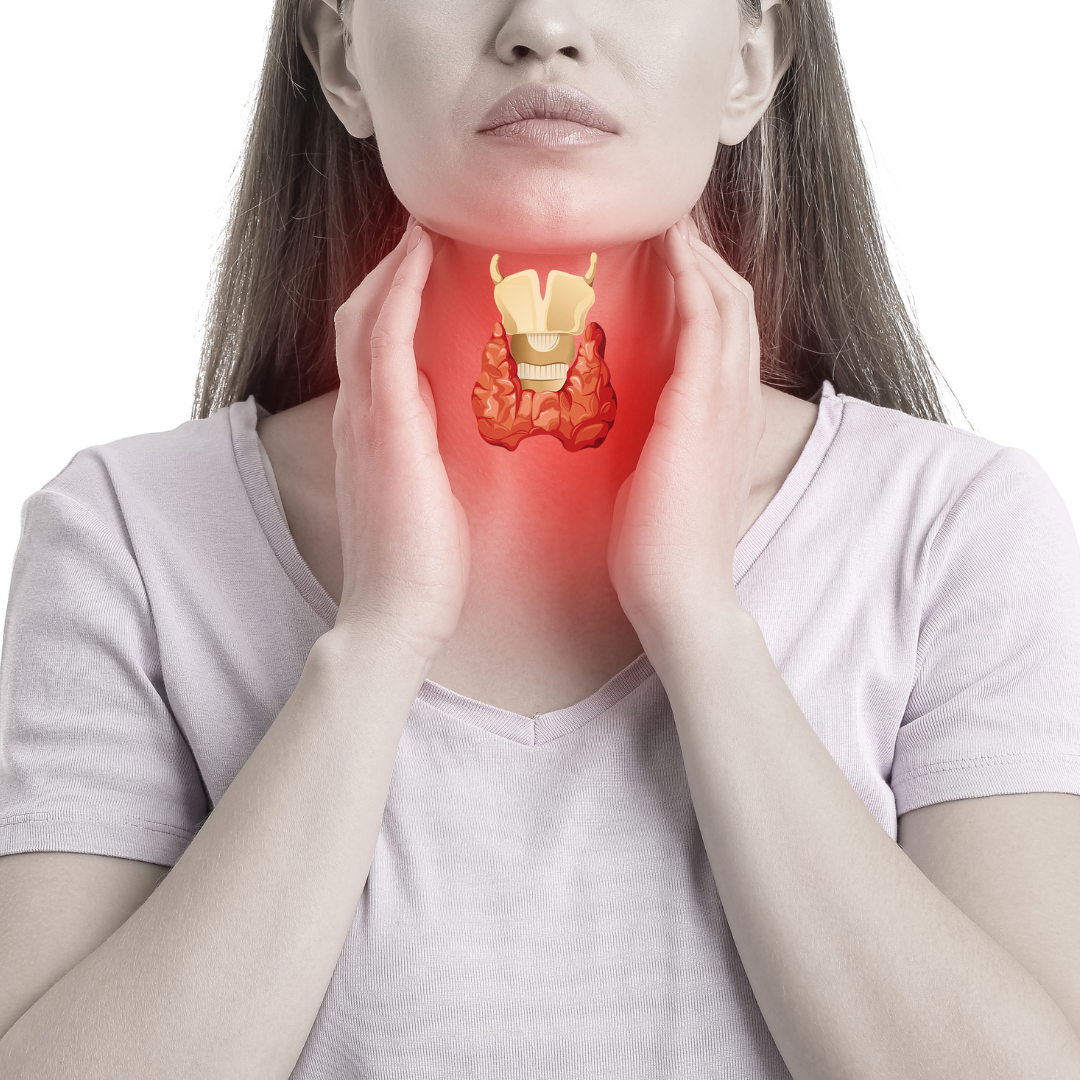
Thyroid Disorders
Hypothyroidism, hyperthyroidism and goiter — investigation and treatment.
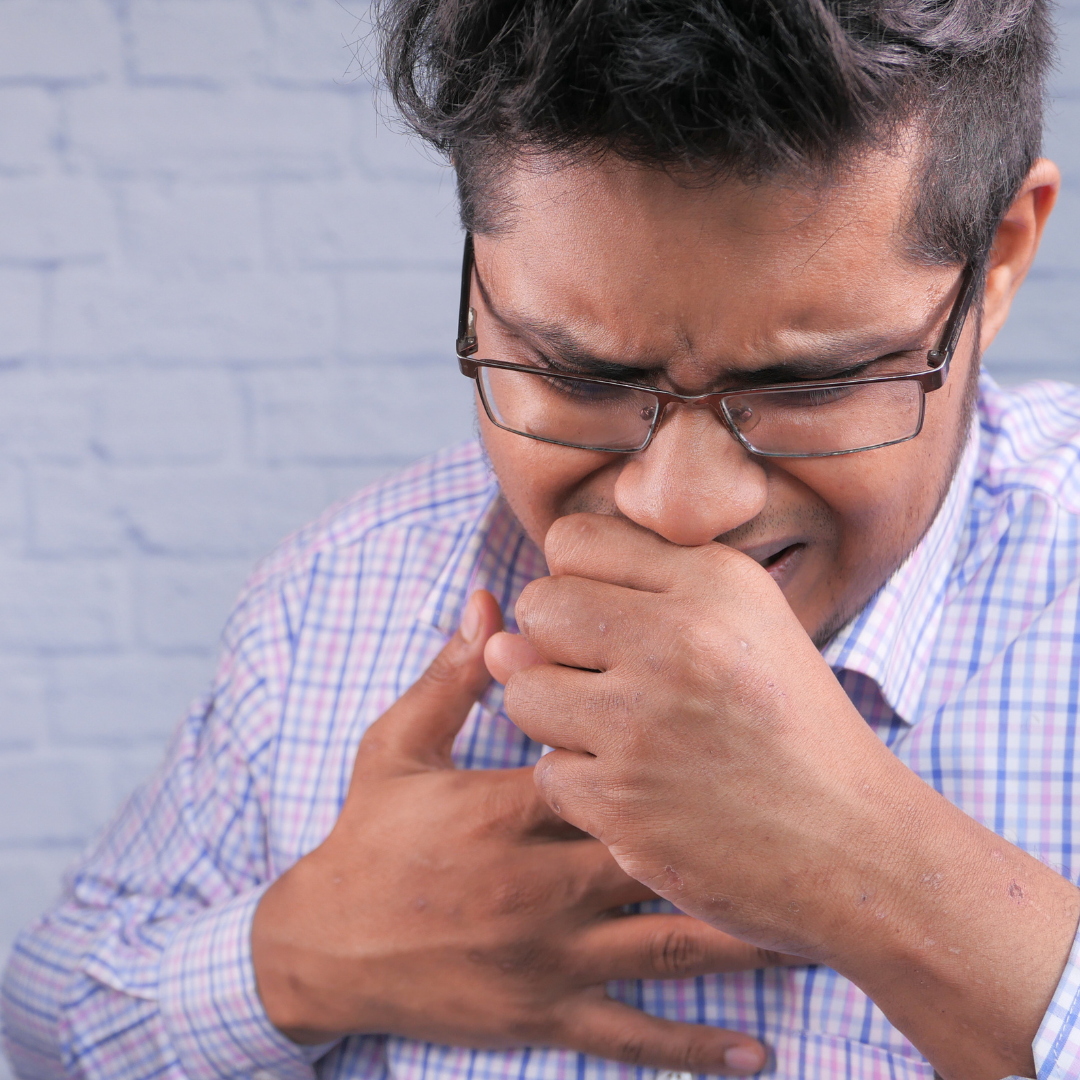
Asthma & COPD
Inhaler-based care for wheezing, breathlessness and smoker's lung.
Answers about Liver Disease
Common questions about Liver Disease — diagnosis, treatment and recovery at Sanjeevi Hospital, Sangareddy.